






A Sip of North Indian Heritage
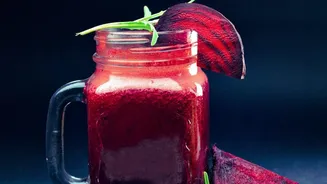
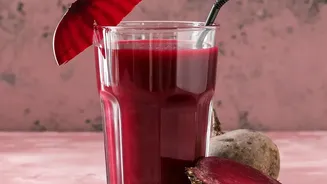
At its heart, Kanji is a fermented beverage traditionally prepared in North Indian homes during the winter months. The classic version uses 'kali gajar,' or black carrots, which are in season during this time, giving the drink its signature deep purple
hue. The recipe is deceptively simple: carrots (and often beetroot for colour and sweetness if black carrots aren't available), are submerged in water with salt and coarsely ground mustard seeds (rai). This mixture is then left to ferment in a glass or ceramic jar, often in the sun, for several days until it develops its characteristic tangy, pungent, and slightly earthy flavour.
The Probiotic Powerhouse
The secret to Kanji's modern revival lies in its impressive health credentials, particularly for gut health. The fermentation process creates a thriving population of probiotics—beneficial live bacteria that support a healthy digestive system. Regular consumption is believed to aid digestion, reduce bloating, and improve nutrient absorption. Beyond probiotics, the drink is a nutritional powerhouse. Black carrots and beetroot are rich in antioxidants, particularly anthocyanins, which help combat oxidative stress. It's also a low-calorie drink packed with essential nutrients like Vitamin A, Vitamin C, and fibre, making it a wholesome addition to any diet.
From Family Tradition to Urban Trend
So, why is this age-old drink suddenly appearing on cafe menus and flooding social media feeds? The resurgence is driven by a perfect storm of modern wellness trends. There's a growing global fascination with fermented foods like kimchi and kombucha, and Kanji is India's homegrown answer. Furthermore, a renewed focus on immunity and natural remedies has led many to rediscover the wisdom in their own culinary traditions. Urban Indians are increasingly looking for authentic, sustainable, and healthy alternatives to processed drinks, and Kanji fits the bill perfectly. It's a drink that connects a new generation to its roots in a delicious and healthful way.
Your Own Kitchen Kanji: A Simple Guide
The beauty of Kanji lies in its simplicity, and making it at home is a rewarding process. All you need is a large, clean glass or ceramic jar. Wash and peel about 500 grams of black carrots or a combination of regular carrots and one beetroot, cutting them into finger-length sticks. In a spice grinder, coarsely crush two to three tablespoons of mustard seeds. Place the vegetable sticks in the jar, add the crushed mustard, salt to taste (start with about two teaspoons), and pour in about two litres of filtered water. Stir everything well, cover the jar with a muslin cloth, and place it in a sunny spot for three to five days, stirring once daily with a clean spoon. You'll know it's ready when the liquid turns a deep colour and tastes tangy and sharp.