



Prioritise Safe Drinking Water
Water contamination is a major concern during the rainy season, leading to illnesses like typhoid, cholera, and diarrhoea. Tap water can become polluted due to overflowing drains or damaged pipelines. The simplest and most effective way to ensure your
drinking water is safe is to boil it for at least one minute. Alternatively, use a reliable water purifier. Be cautious about ice cubes in drinks when you are outside, as they may be made from unsafe water. At home, store your purified water in clean, covered containers, preferably made of steel or copper.
Handle Vegetables And Fruits With Extra Care
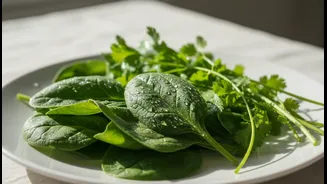
Fresh produce, especially leafy greens like spinach and cabbage, can harbour mud, worms, and bacteria during the monsoon. These vegetables grow in soil that can be easily contaminated, and their layered structures provide hiding spots for germs and insects. It's crucial to wash all vegetables and fruits thoroughly under clean, running water. For extra precaution, soak them in a solution of salt water or vinegar water for 10-15 minutes to help dislodge hidden pests and reduce microbial load. After soaking, rinse them again with clean water and pat dry before storing or cooking. Steaming vegetables is another effective way to get rid of germs.
Be Cautious With Street Food
While the craving for a hot samosa or pani puri intensifies with the rain, street food poses a significant risk during this season. The primary concerns are the use of contaminated water for chutneys and drinks, and ingredients being exposed to the humid environment for long periods. Raw foods like salads, cut fruits, and uncooked chutneys are particularly risky. If you must indulge, opt for vendors who maintain high hygiene standards and serve freshly prepared, piping hot food, as the heat helps kill pathogens.
Master Your Kitchen Storage
High humidity makes food spoil much faster. Bacteria multiply rapidly in the 'danger zone' temperature range, which is common during the Indian monsoon. Do not leave cooked food out for more than two hours. Store leftovers in airtight containers and refrigerate them promptly. When it comes to dry goods like spices, grains, and flours, transfer them from their original packaging into airtight jars to protect them from moisture and mould growth. It's also wise to buy smaller quantities of vegetables and other perishables more frequently to ensure they are always fresh.
Separate Raw and Cooked Foods
Cross-contamination is a common way germs spread in the kitchen. This happens when bacteria from raw foods transfer to cooked foods. To prevent this, always use separate chopping boards, knives, and utensils for raw meat, poultry, seafood, and vegetables. Store raw meat on the lower shelves of your refrigerator, in sealed containers, to prevent its juices from dripping onto other foods. In general, meat and seafood spoil very quickly in the monsoon, so buy from reputable sources and cook it thoroughly on the day of purchase if possible.
Reinforce Personal and Kitchen Hygiene
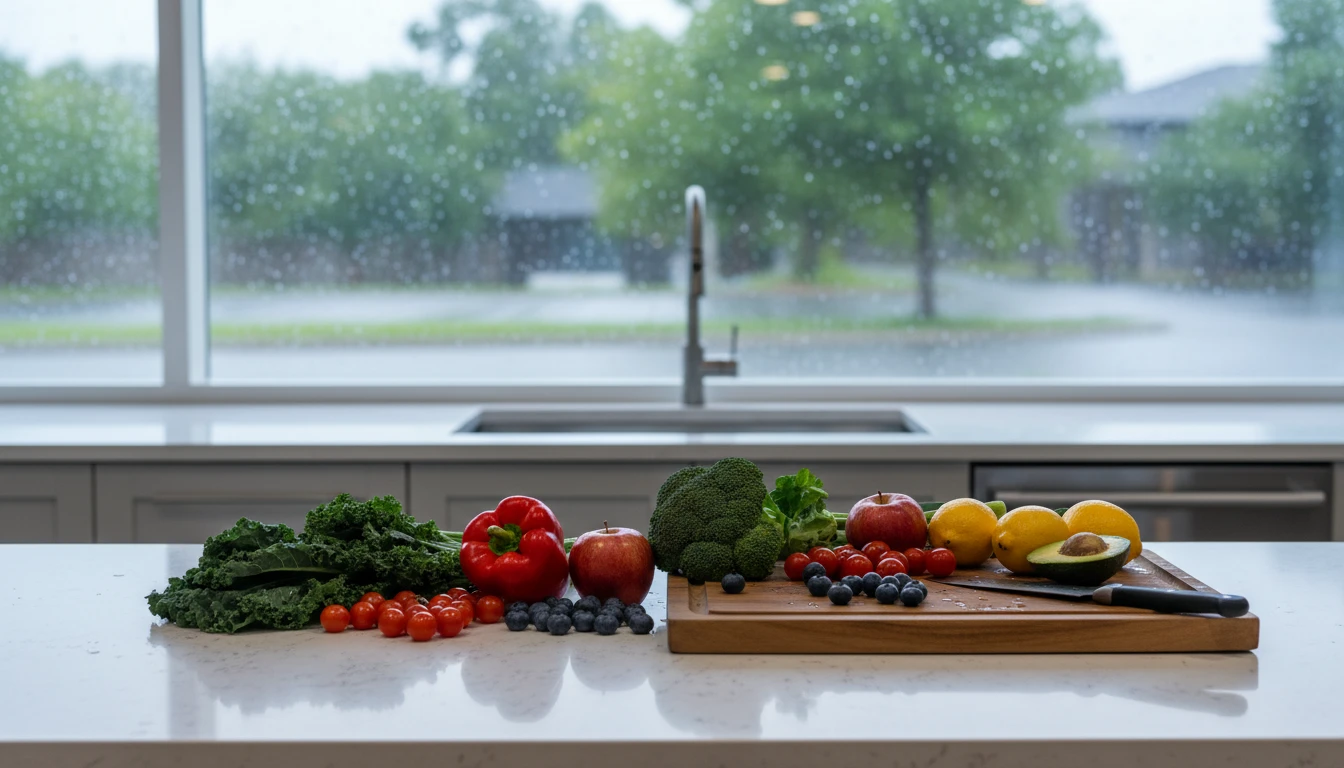
Your first line of defence is clean hands. The Food Safety and Standards Authority of India (FSSAI) emphasizes washing hands with soap and water before handling food and after using the toilet. Beyond personal hygiene, keeping the kitchen environment clean is essential. Regularly clean and disinfect countertops, sinks, and kitchen equipment. Ensure your utensils and chopping boards are washed thoroughly with hot water and soap, and dried completely before being stored. A clean kitchen significantly reduces the risk of germs spreading to your food.