




The Tale of Two Grains
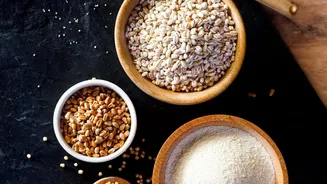
Before they get puffed, let's look at the raw materials. Rice, typically white rice in this context, is a globally recognized cereal grain. It's a staple food, primarily providing carbohydrates for energy. Quinoa, on the other hand, is technically a seed
from the goosefoot plant, but it’s cooked and eaten like a grain. Often called a 'pseudocereal', quinoa has a more robust nutritional profile than many traditional grains, earning it superfood status in many circles. This fundamental difference is the starting point for everything that follows.
Protein: A Game of Numbers
When you compare them gram for gram, quinoa is the clear winner in the protein department. A 100-gram serving of uncooked quinoa contains around 14 grams of protein. In contrast, the same amount of uncooked white rice has about 7 grams of protein. This nearly two-to-one ratio is significant. This difference generally carries over into their puffed forms. A cup of puffed quinoa typically contains about 4-6 grams of protein, while a cup of puffed rice often has just 1-2 grams. For anyone looking to increase their protein intake, the numbers point strongly towards quinoa.
The Quality of Protein Matters
Beyond just the quantity, the quality of the protein is a crucial distinction. Protein is made of amino acids, which are building blocks for our bodies. There are nine 'essential' amino acids that our bodies cannot produce, so we must get them from food. Quinoa is celebrated for being a 'complete protein' because it contains all nine of these essential amino acids in significant amounts. Rice, like most other grains, is an 'incomplete protein'. It's low in the essential amino acid lysine. This makes quinoa's protein more versatile for your body's needs, from muscle repair to hormone production.
Does the Puffing Process Change Anything?
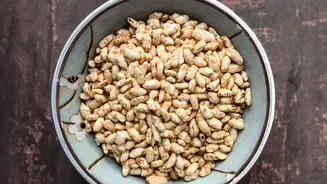
Puffing is a process that uses heat and pressure to expand the grain, creating a light, airy texture. The good news is that this process doesn't significantly reduce the total amount of protein in either quinoa or rice. However, the high heat can slightly affect the availability of some heat-sensitive amino acids, but the core difference remains: puffed quinoa still retains its status as a complete protein, while puffed rice does not. The main change during puffing happens to the carbohydrates, which become more easily digestible.
Beyond Protein: Other Nutritional Perks
While the headline is all about protein, it's worth noting that quinoa's nutritional advantages don't stop there. Compared to white rice, quinoa offers significantly more dietary fiber, which is important for digestive health and feeling full. It's also richer in key minerals like iron, magnesium, phosphorus, and zinc. So when you choose puffed quinoa, you're not just getting more and better protein; you're also getting a wider array of valuable micronutrients.
Making the Healthier Choice for You
So, which puff should you pick? If your goal is to maximize your intake of high-quality, plant-based protein and get a bonus of fiber and minerals, puffed quinoa is the undeniable winner. It's an excellent choice for a post-workout snack, a topping for yogurt, or a more nutritious breakfast cereal. Puffed rice, being lower in calories and most other nutrients, serves a different purpose. It can be a light, easy-to-digest, low-calorie snack, but it doesn't offer the same nutritional bang. As with any packaged food, it's always wise to read the label for added sugars, sodium, and other ingredients that can affect the overall healthiness of the product.