





Ditching sturdy boots for the trail might seem counterintuitive, but barefoot hiking is gaining ground. It's more than a trend; it's a practice that reconnects us with the earth and reawakens the complex machinery within our own two feet.
The Science of 'Ground Feel'
The core benefit
of barefoot hiking lies in a concept called proprioception — your body's ability to sense its own position in space. Your feet have over 200,000 nerve endings that act as sophisticated sensors. When encased in thick, cushioned shoes, these sensors are dulled. Walking barefoot allows these nerves to send a constant stream of detailed information to your brain about the texture, temperature, and slope of the ground. This rich sensory feedback enables your body to make immediate, unconscious micro-adjustments, dramatically improving balance and stability. Think of it as switching from blurry black-and-white to high-definition colour; your brain simply has more data to work with.
Building a Stronger Foundation
Conventional shoes, especially rigid hiking boots, often act like a cast, preventing the natural movement of your feet and weakening the small, intrinsic muscles responsible for stabilizing your arches and toes. When you hike barefoot, these underused muscles are forced to engage. Every step on an uneven surface requires them to flex, grip, and stabilize, building strength over time. Research has shown that walking in minimalist footwear can increase foot muscle strength by over 60% in a matter of months. Stronger feet provide a more stable foundation for your entire body, which can improve the mechanics of your knees, hips, and even your lower back.
The Challenge of Uneven Surfaces
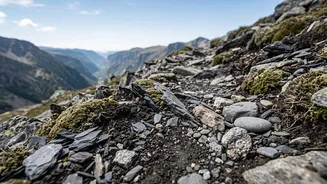
This is where the real work begins. Smooth, flat pavement offers little variety, but a natural trail is a dynamic environment. Roots, rocks, inclines, and soft soil force your feet and ankles to constantly adapt. Unlike walking in a supportive boot that limits motion, going barefoot demands a full range of movement from your 33 foot and ankle joints. This constant need to adjust to unpredictable terrain is the ultimate challenge for foot control. Your muscles must work harder to absorb impact without thick cushioning and to maintain balance with every step. While this can lead to fatigue, it is precisely this challenge that builds resilient, responsive feet.
Navigating the Risks
Of course, forgoing protection comes with risks. The most obvious are cuts, puncture wounds, and bruises from sharp objects like rocks, thorns, or glass. There's also a risk of impact injuries or straining muscles and ligaments if you do too much, too soon. Your feet, accustomed to the support of shoes, need time to adapt and strengthen. Fungal and bacterial infections are also a possibility, especially in damp environments. However, many seasoned barefoot hikers argue these risks can be managed with mindfulness — by watching your step, choosing your path carefully, and practicing good foot hygiene.
How to Get Started Safely
If you're curious to try it, the key is to start slowly. Begin by walking barefoot on soft, safe surfaces like a grassy park or a sandy beach before moving to well-maintained trails. Keep your initial barefoot hikes short, and always carry a pair of lightweight, minimalist shoes as a backup. Pay attention to your gait; barefoot walking encourages a different technique, often involving a flatter foot strike rather than a hard heel strike. Most importantly, listen to your body. If you feel sharp pain, stop. Building up strength and tolerance is a gradual process that requires patience.