






A Nationwide Shift to Taste
For decades, Indian tourism revolved around history, spirituality, and natural beauty. But a significant change is underway. Today, travellers are increasingly seeking authentic experiences that connect them to a place's culture, and there's no better
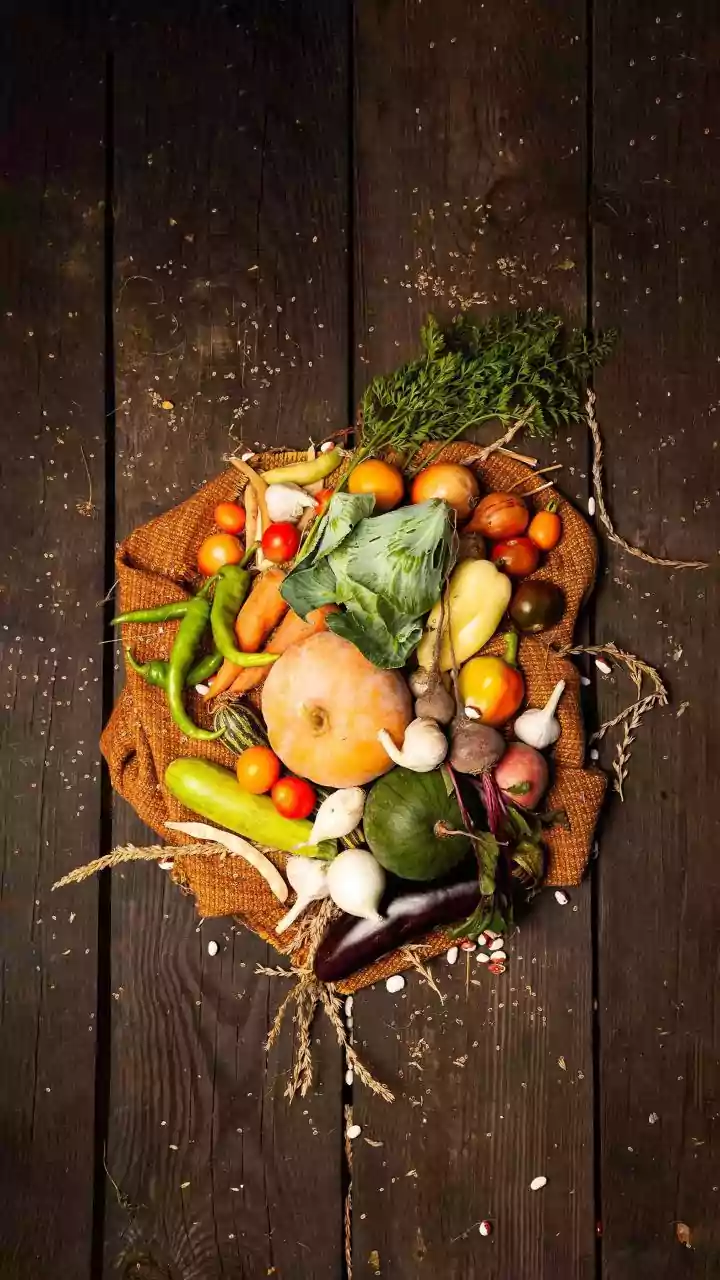
way to do that than through food. This boom in 'culinary tourism' is reshaping hospitality, as destinations realise their unique regional cuisines are powerful assets. State tourism boards, homestays, and tour operators are now curating experiences that go beyond generic menus, focusing instead on hyper-local ingredients, traditional cooking methods, and the stories behind the food. This shift is driven by a desire for authenticity, the powerful influence of food bloggers and social media, and a growing appreciation for India's vast and varied gastronomic landscape.
Kerala: God's Own Kitchen
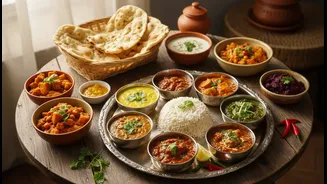
Kerala has long been a traveller's paradise, but its cuisine is now a headline attraction. The state's geography—a lush coastline, fertile backwaters, and spice-laden hills—provides a rich pantry. Tour operators and homestays are offering immersive culinary journeys. Experiences include everything from cooking classes and spice plantation tours to freshly cooked meals on houseboats in Alleppey. Travellers can savour a traditional vegetarian Sadya feast served on a banana leaf, enjoy spicy fish curries in coastal Kochi, or taste the mild, coconut-infused stews popular in the region. It’s a complete sensory experience that connects visitors to the land and its traditions.
Rajasthan: Feasting Like Royalty
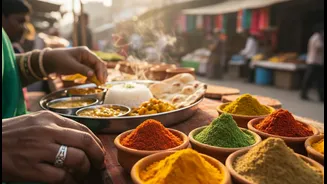
The royal heritage of Rajasthan extends vibrantly to its cuisine. Beyond its majestic forts and palaces, the state offers a culinary journey steeped in history. Tour operators now offer guided food walks through the bustling lanes of Jaipur, Jodhpur, and Udaipur, introducing travellers to local specialities they might otherwise miss. Key dishes like the fiery Laal Maas, a mutton curry once prepared after royal hunts, and the staple Daal Baati Churma are central to the experience. Heritage hotels and havelis market themselves as places where you can 'dine like royalty', offering meals prepared with generations-old recipes. The street food scene is just as exciting, with must-try items like Pyaaz Kachori and Mirchi Bada offering a taste of everyday life.
Sikkim: A Taste of the Himalayas
In the Northeast, Sikkim is carving out a niche with its unique blend of Nepali, Tibetan, and indigenous Sikkimese flavours. The state's food is mountain cuisine, built for warmth and sustenance. Tourism now actively promotes these culinary experiences. Food tours guide visitors through local markets and eateries, highlighting dishes like momos (dumplings), thukpa (noodle soup), and phagshapa (pork with radish). Fermented foods like gundruk and sinki are local staples that offer a unique taste of the region. Travellers can also experience local beverages like the millet-based chang and teas from local gardens, providing a well-rounded taste of Himalayan culture.