







A Genetic Time Machine
Imagine being able to travel back in time to witness the evolution of diseases that have plagued humanity for millennia. That's essentially what the field of paleogenomics allows scientists to do. By carefully drilling into ancient human remains, particularly
teeth and dense bones, researchers can extract tiny, fragmented pieces of DNA. The dental pulp inside teeth is a particularly rich source, as it was once supplied with blood and can trap the genetic signatures of pathogens that were in a person's system when they died. Advanced sequencing technology then pieces these fragments together, creating a genetic snapshot of both the ancient person and the microbes that infected them. This incredible process acts as a time machine, allowing us to read a genetic history book that was, until recently, completely invisible. It's transforming epidemiology from a purely modern science into one with a deep, historical perspective.
Solving the Mystery of the Black Death
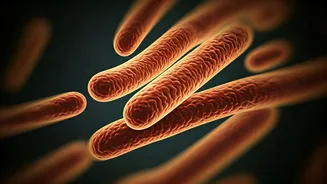
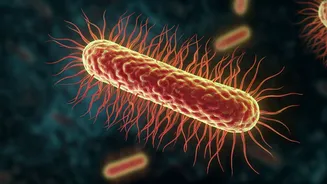
For centuries, the cause of the Black Death, the pandemic that wiped out as much as half of Europe's population in the 14th century, was debated. While historical texts pointed to a plague, definitive proof was elusive until paleogenomics stepped in. Scientists extracted DNA from the teeth of skeletons found in medieval plague pits and found the genetic fingerprints of a specific bacterium: Yersinia pestis. This not only confirmed the culprit but opened the door to even more profound discoveries. By comparing the ancient Y. pestis genomes with modern strains, researchers could build a family tree for the pathogen, tracing its evolution and spread. Studies have even identified the world's oldest known trace of plague in a 5,500-year-old individual, revealing that the pathogen existed long before the infamous medieval pandemic. Some ancient strains lacked genes that allow the plague to be transmitted by fleas, suggesting it may have initially spread differently, perhaps person-to-person.
Rewriting the History of Ancient Diseases
It isn't just the plague whose history is being rewritten. Ancient DNA has also shed new light on tuberculosis (TB) and leprosy, two other diseases with a long and devastating relationship with humans. For a long time, it was thought leprosy was introduced to the Americas during the colonial period. However, recent studies of 4,000-year-old skeletons from Chile have recovered genomes of Mycobacterium lepromatosis, a rare form of the leprosy-causing bacterium, challenging this timeline completely. Similarly, our understanding of tuberculosis is rapidly evolving. Scientists once believed TB arrived in the Americas with European settlers, but ancient DNA from Peruvian remains proved it was present much earlier, likely transmitted from marine mammals like seals to humans. Further analysis of both human and pathogen DNA from thousands of years ago shows a dramatic tug-of-war. For example, a specific human gene variant that increases susceptibility to TB became far less common around 2,000 years ago, precisely when modern TB strains became more prevalent, suggesting intense natural selection at play.
From the Past to the Future
Studying these ancient diseases isn't just an academic exercise; it has crucial implications for modern medicine. Understanding how pathogens have evolved over millennia helps us anticipate their future moves. For example, by analyzing the genetic changes that made Yersinia pestis more virulent, scientists can better understand what makes any pathogen suddenly more dangerous. This historical perspective can also inform vaccine development and public health strategies. Furthermore, studying ancient genomes reveals how human populations have adapted to disease pressures. Researchers have found that genetic variants that protected our ancestors from plagues of the past, like the Black Death, are associated with a higher risk for certain autoimmune diseases today. This highlights the complex evolutionary trade-offs made over thousands of years. By looking back at our co-evolution with diseases, we gain invaluable knowledge to protect ourselves from the infectious threats of today and tomorrow.