

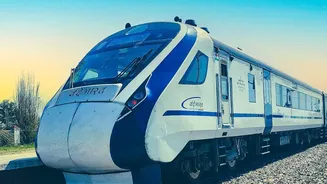
The on-train dining experience for many Vande Bharat passengers is set for a change. IRCTC has started a trial with a more compact, airline-style menu on select routes, aiming to improve food quality and hygiene based on passenger feedback.
A 'Less Is More' Approach to Quality
Indian Railway
Catering and Tourism Corporation (IRCTC) has initiated a significant pilot project starting November 1, 2026, focused on enhancing the quality of meals served on its premier trains. The core idea is simple: reduce the number of items on the menu to allow for better monitoring of food quality, hygiene, and consistency. This move comes in response to frequent passenger complaints regarding the food served on long-distance journeys. By trimming the menu from a spread of eight to ten items down to just four core components, IRCTC aims to streamline preparation and delivery, ensuring every meal served is fresh and meets higher standards. The total weight of a meal has also been reduced from around 700-750 grams to about 450-500 grams, though officials state the portion size of individual dishes remains the same.
The Three Vande Bharat Sleeper Routes on Trial
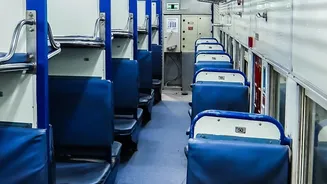
This significant operational change is not happening across the board just yet. The trial is currently confined to all three of the Vande Bharat sleeper train routes. These routes are the Mumbai-Bengaluru, Howrah-Kamakhya (in Guwahati), and New Delhi-Varanasi Junction lines. Passengers on these specific long-haul sleeper services are the first to experience the new, curated dining options. IRCTC is actively collecting passenger feedback on these routes to assess the success of the new system. The results from this test phase will be crucial in deciding whether this curtailed menu will be rolled out to other premium trains like the Rajdhani and Shatabdi, and eventually all long-distance services.
What's On—and Off—the New Menu
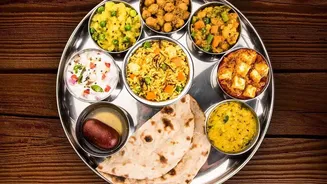
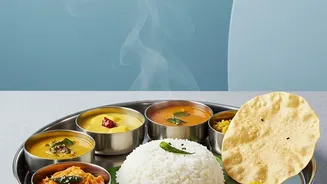
So what does the new, compact meal look like? For breakfast, the options have been simplified to choices like idli-vada with sambar and chutney, poha, or upma. Gone are items like soup, egg omelettes, sandwiches, buttermilk, and chocolates that were previously part of the morning service. For lunch and dinner, the focus is on a core combination: chapati, rice, and dal, accompanied by one main dish. Passengers can still choose between a vegetarian option (like paneer) or a chicken dish for the main course. However, the accompaniments that used to fill the tray, such as a separate dry vegetable, curd, salad, pickles, and sweets, have been removed from the standard meal service.
New Partners and the Strategy Behind the Shift
This menu overhaul is also part of a larger strategy to professionalise on-board catering. Instead of relying solely on traditional railway catering vendors, IRCTC has partnered with major cloud kitchens and established hospitality groups to prepare the meals for this trial. For instance, the Mayfair Group is handling catering for the Kamakhya route, TajSATS is responsible for Howrah, and the Sarovar Portico Group is managing the other services. By outsourcing meal preparation to these specialised kitchens, the railways aim to address the operational challenges of preparing elaborate meals in limited pantry car spaces. This shift is intended to bring a more professional and quality-controlled approach to train food, moving closer to the model successfully used by airlines.