




The Power of Vitamin A
Before we pit these two orange-hued favourites against each other, it's important to understand what we're looking for. Vitamin A is a crucial nutrient essential for healthy vision, a strong immune system, reproduction, and proper organ function. In plant
foods like sweet potatoes and butternut squash, vitamin A doesn't appear in its final form. Instead, these vegetables are packed with beta-carotene, a vibrant carotenoid pigment that the body converts into vitamin A as needed. This is great news, as your body only converts what it requires, reducing the risk of toxicity that can come from over-consuming preformed vitamin A found in supplements or animal products. The recommended daily amount for adults is around 700 micrograms (mcg) for women and 900 mcg for men.
The Sweet Potato's Case
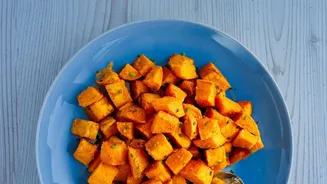
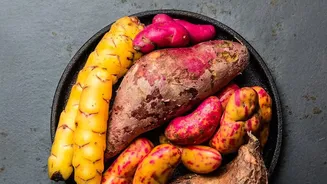
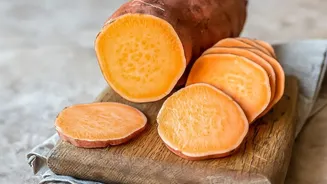
The sweet potato is a nutritional powerhouse and a clear winner when it comes to sheer volume of vitamin A. A single cooked cup (about 200 grams) can provide a staggering 1,730 mcg of vitamin A in the form of beta-carotene. That's nearly double the daily recommendation for an adult man and more than double for a woman. This makes it one of the most potent sources of beta-carotene available. Beyond its vitamin A dominance, the sweet potato also brings more fibre, protein, and potassium to the table compared to its squash rival. A medium sweet potato is also a good source of vitamin C and manganese.
Butternut Squash's Strengths
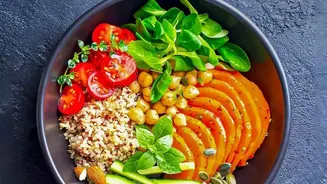
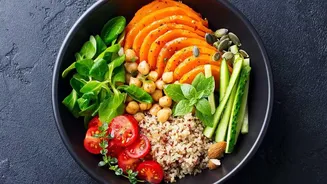
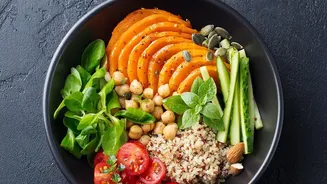
While it can't quite match the sweet potato's sky-high vitamin A levels, butternut squash is still an exceptional source. One cooked cup provides around 1,144 mcg, which comfortably covers more than 100% of your daily needs. Where butternut squash really shines is in its lower calorie and carbohydrate count. For the same one-cup serving, butternut squash has less than half the calories of a sweet potato (about 82 vs. 180) and significantly fewer carbs. This makes it an excellent option for those managing their calorie intake or carbohydrate consumption more closely. It also delivers a healthy dose of vitamin C and minerals like magnesium.
The Verdict on Vitamin A
If the only goal is to maximise vitamin A intake, the sweet potato is the undisputed champion. It simply contains more beta-carotene per serving than butternut squash. However, the difference is a bit like comparing two star athletes; one might be the all-time greatest, but the other is still a Hall of Famer. Both vegetables are incredibly rich in beta-carotene and will easily help you meet your daily vitamin A needs. For most people, the choice between them can happily come down to taste, texture, and how they fit into a particular meal rather than a strict nutritional calculation.
How to Get the Most Out of Both
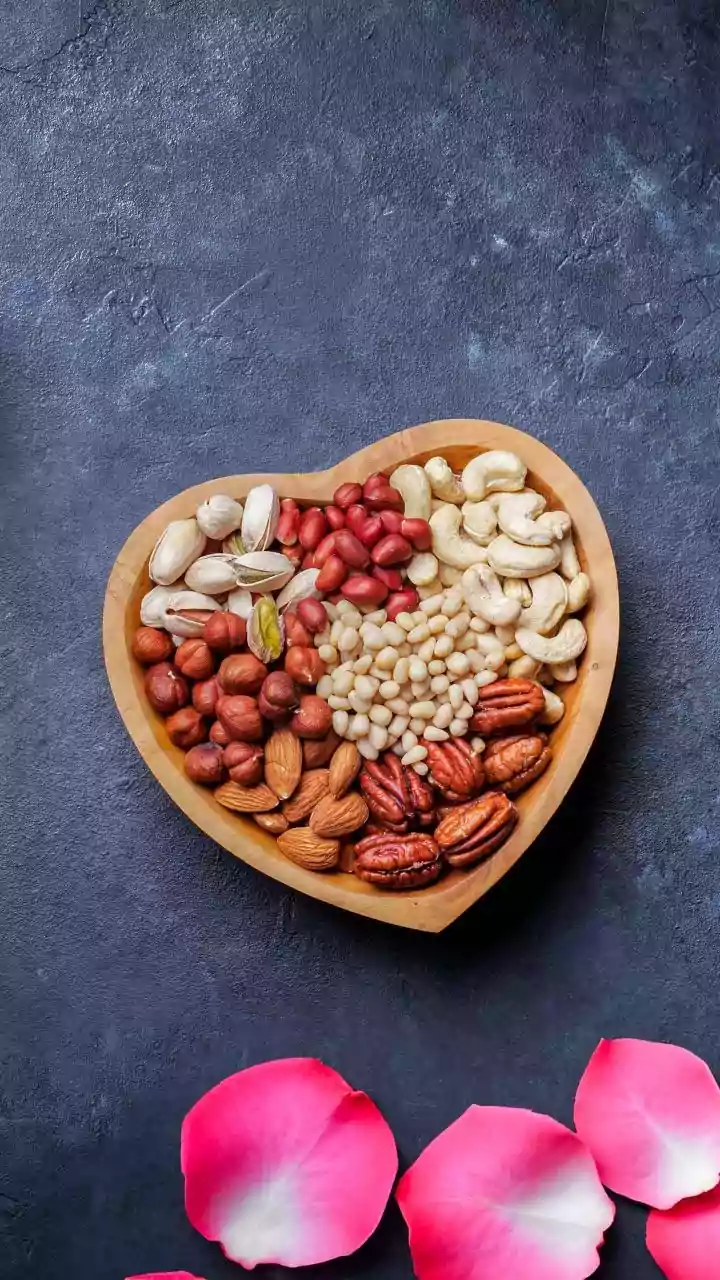
Here’s a crucial fact that matters more than the raw numbers: beta-carotene is a fat-soluble nutrient. This means your body needs dietary fat to absorb it effectively. Eating a plain, steamed sweet potato or butternut squash without any fat means much of that valuable beta-carotene will pass through your system unabsorbed. Studies have shown that adding even a small amount of fat—like a drizzle of olive oil, a sprinkle of nuts, or a dollop of avocado—dramatically increases how much beta-carotene your body can use. Cooking also helps. The process of heating breaks down the vegetables' tough cell walls, making the carotenoids inside more available for your body to absorb.