





The End of the 'Off-Season'
For years, the travel calendar in India was predictable: chaotic peaks during summer and winter holidays, and a lull during the monsoon. That is no longer the case. The monsoon is increasingly becoming a preferred travel season, with major hospitality
firms reporting significant year-on-year growth in bookings. Radisson Hotel Group, for example, has seen July bookings for 2026 pacing nearly 10% ahead of the previous year. This isn't a niche trend; it's a structural shift. Domestic travel is no longer confined to just two peak seasons, with the monsoon emerging as a powerful travel driver in its own right. Industry executives note that destinations once considered purely seasonal are now seeing healthy occupancy levels year-round, blurring the lines between on-peak and off-peak.
Price, Value, and a New Flexibility
While monsoon travel was once synonymous with deep discounts, the rising demand has made pricing more resilient. In a key market like Goa, hotel tariffs that once dropped significantly during the rains are now holding steadier due to sustained interest. However, travellers are still finding immense value. The pricing gap between peak and off-peak seasons, while narrowing, still exists. More importantly, the industry is responding with a new kind of currency: flexibility. Travel platforms and hotels are promoting deals with features like free cancellations and the ability to pay only for the hours you stay, which is crucial when weather can be unpredictable. This focus on flexibility reduces the risk for travellers, making a last-minute monsoon getaway a much more attractive and less stressful proposition.
The Allure of the Uncrowded
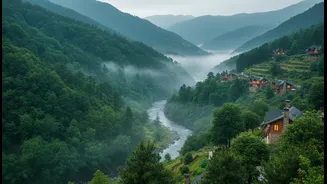
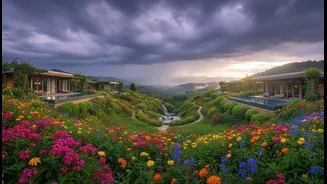
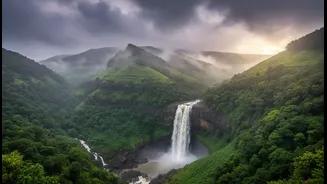
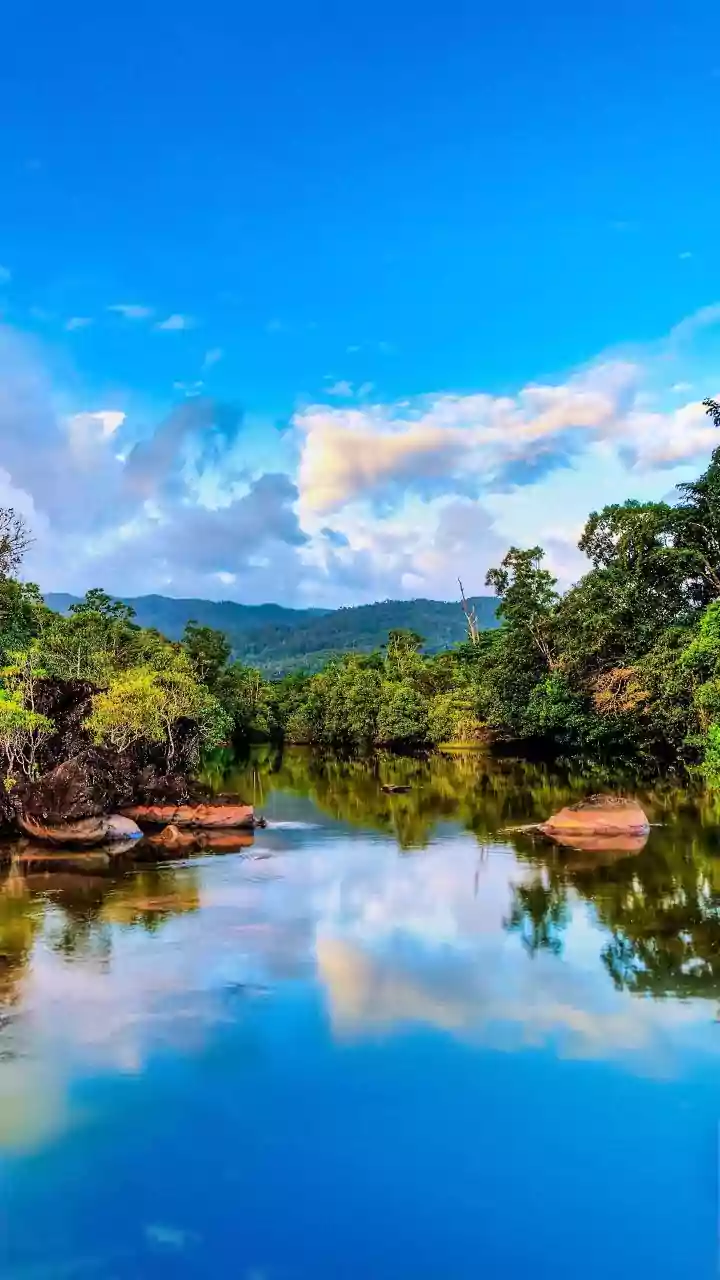
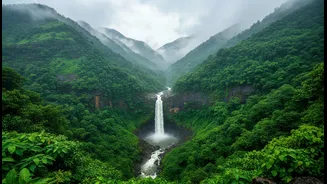
A key driver behind this trend is a growing desire for experiences over destinations. More than half of Indian travellers now prefer quieter, less-crowded locations over traditional tourist hotspots. The monsoon delivers this in spades, transforming bustling hubs into serene retreats. This shift is about more than just avoiding queues; it's about experiencing a place in its most authentic, tranquil state. Destinations across the Western Ghats, like Lonavala, Coorg, and Munnar, see an explosion in popularity as the landscape turns a vibrant green. For example, hotel bookings for Munnar and Mussoorie have seen a nearly tenfold increase compared to last year's monsoon season. Even established destinations like Goa offer a different, quieter charm, attracting travellers seeking lush scenery over crowded beaches.
A New Generation of Traveller
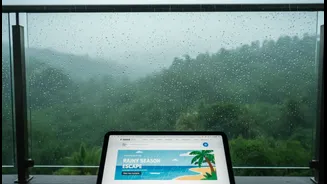
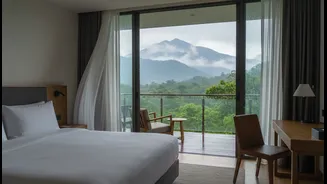
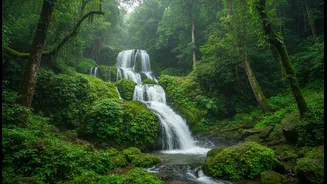
Several factors are fueling this monsoon migration. The rise of hybrid and remote work has made it easier for people to take spontaneous short breaks and 'workations'. Improved infrastructure, including better highway networks and regional airports, has made many destinations more accessible, even during heavy rains. This has particularly empowered travellers from Tier-II and Tier-III cities to explore more. Furthermore, there is a clear shift in mindset. Travellers are prioritising wellness, nature-led getaways, and cultural immersion. They are discovering that the rains offer a unique perspective, turning familiar landscapes into misty, magical worlds, from the roaring waterfalls of Cherrapunji to the coffee plantations of Chikmagalur.