


A Tradition Reimagined
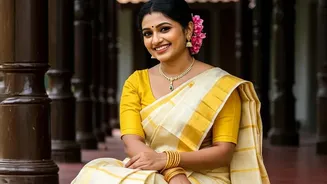
For decades, the narrative around handloom was one of preservation, often associated with heavy, formal wear belonging to a grandmother's trunk. But that story is changing. Today, young designers are proving that handloom is not a relic but a dynamic
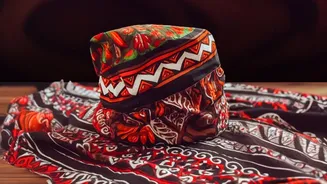
canvas for contemporary fashion. They are drawn to the authenticity, sustainability, and rich stories woven into every thread. This new guard isn't just preserving a craft; they are infusing it with a fresh perspective, creating pieces that resonate with a generation that values individuality and conscious consumption over mass-produced fast fashion. The result is a vibrant fusion where a Banarasi weave meets a sneaker, or an Ikat pattern is cut into a chic co-ord set.
The Digital Weavers of Varanasi
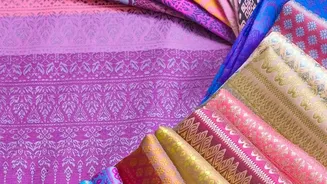
In the ancient city of Varanasi, a new chapter for Banarasi silk is being written by sibling duo Khushi and Amrit Shah of Shanti Banaras. Khushi, a graduate of the Fashion Institute of Technology in New York, is leveraging her family's seventy-year legacy in textiles to make the craft accessible to a younger audience. Shanti Banaras moves beyond the idea that these intricate weaves are only for bridal trousseaus. By creating lighter fabrics and experimenting with modern motifs, they frame the textile's value in a new light. Their approach is less about reinvention and more about revealing the timeless luxury of real zari work to a global, digital-native consumer, proving that heritage can be a powerful statement of modern style.
From IIM to an Empire of Weaves
The story of Karagiri, founded by Pallavi Mohadikar Patwari, shows the incredible power of bridging the gap between weavers and modern consumers. Growing up in a weaving community and later sourcing Chikankari sarees to fund her MBA at IIM-Lucknow, Pallavi had a deep-rooted connection to the craft. She started Karagiri in 2017 with a small loan and just five weavers. By travelling across India to connect directly with artisans in places like Banaras and Bagalkot, she built a platform that showcased their skill to the world. Using savvy digital marketing, Karagiri scaled rapidly, growing from an initial investment of ₹3 lakh to a multi-crore enterprise. The brand now works with over 1,500 weavers, ensuring they receive fair compensation and a global platform for their artistry.
Streetwear, Sustainability, and Social Media
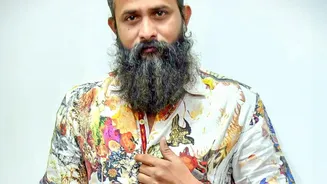
This revival isn't limited to sarees. Labels like NorBlack NorWhite, founded by Mriga Kapadiya and Amrit Kumar, are blending handloom with global street culture. They collaborate with weavers of Bandhani and Ikat to create fluid, relaxed silhouettes that have found a place in high-profile collaborations with brands like Nike. For these Gen Z-focused brands, social media is the great equaliser. Instagram and Pinterest have become the new storefronts, allowing them to tell the story behind each textile directly to a generation hungry for authenticity. This digital-first approach bypasses traditional retail gatekeepers, connecting weavers in Kutch directly with trend-conscious shoppers looking for pieces with a soul.
The Challenges on the Loom
Despite the success stories, the path is not without its threads of difficulty. One of the biggest challenges is competing with the sheer volume and low cost of fast fashion. Furthermore, there is a delicate balance between modernising a textile and preserving its traditional identity and techniques. For these young entrepreneurs, success isn't just about sales; it's about ensuring their collaboration with artisan communities is respectful and empowering, not extractive. One weaver candidly shared with Khushi Shah of Shanti Banaras that his son wasn't interested in the craft because it seemed to be a dying industry, highlighting the urgent need for this revival to provide sustainable livelihoods.