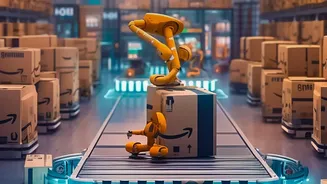








From Tool to Teammate
The initial wave of AI in the workplace was about efficiency. AI was a tool used to automate repetitive processes like data entry, scheduling, or basic customer service inquiries. This freed up human employees for more complex work. While beneficial,
this approach still positions AI as a separate, task-oriented utility. The new paradigm, AI collaboration, is fundamentally different. It involves a synergistic partnership where humans and AI work together on shared objectives, combining their distinct strengths. Think of it as moving from a simple calculator to a full-fledged brainstorming partner that can offer novel ideas and challenge assumptions.
What AI Collaboration Looks Like
This collaborative model is already taking shape across various industries. A marketing team might use generative AI to brainstorm campaign slogans and then refine them with human creativity and cultural context. Software developers are increasingly using AI as a coding partner that can suggest code, identify bugs, and explain complex segments, speeding up development while improving quality. In finance, algorithms process vast market data in milliseconds, flagging trends for human analysts who then apply strategic experience and intuition to make investment decisions. This model of 'Connected Intelligence' involves people, data, and AI agents working side-by-side to solve problems.
The Upside: More Than Just Productivity
The benefits of human-AI collaboration extend far beyond doing things faster. While sectors exposed to AI are seeing significant growth in labor productivity, the real prize is in the quality and innovation of the work produced. By handling routine cognitive tasks, AI frees up employees to focus on what humans do best: creativity, strategic thinking, and emotional intelligence. Research shows that teams using AI as a collaborator are significantly more likely to produce high-quality, innovative solutions. This partnership enhances decision-making by providing data-driven insights, allowing employees to focus on higher-level strategic activities.
The New Skillset for a Collaborative Future
Thriving in this new environment requires more than just technical know-how. As AI takes on more analytical and repetitive work, demand is surging for distinctly human skills. These include critical thinking, ethical reasoning, complex problem-solving, and empathy. Furthermore, a new capability is emerging: 'AI fluency'. This is the ability to effectively communicate with, manage, and interpret the output of AI systems. Professionals who can blend their domain expertise with the skill to prompt, guide, and critically evaluate AI partners will have a significant competitive edge. In fact, studies show that workers with AI skills can command substantial wage premiums over their peers.
Navigating the Challenges of Partnership
This transition is not without its hurdles. Integrating AI as a collaborative partner requires a cultural shift and a redesign of workflows. Leaders must establish clear guidelines on where AI provides support and where human judgment remains essential. There are also significant challenges to address, including fears of job displacement, potential skill gaps, and ethical concerns around data privacy and algorithmic bias. Building a culture of trust and continuous learning is crucial. Organisations must invest in upskilling their workforce, not just in how to use the tools, but in how to think and work alongside them as partners.