





The Environmental Cost of Disposable Sparkle
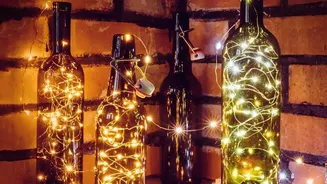
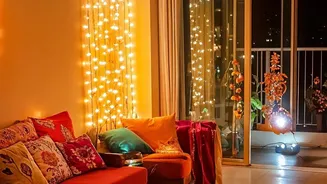
Every year, Indian festivals bring immense joy, but they also generate a significant amount of waste. Disposable decorations, particularly plastic fairy lights, synthetic garlands, and glitter-adorned decor, contribute heavily to this problem. Cities
often report a substantial increase in daily waste during festive periods, with a large portion being non-biodegradable plastics. For example, during one Diwali, Bengaluru generated an additional 1,000 tonnes of waste over three days, much of it from firecracker packaging and plastic decorations. This single-use approach to festive decor creates a cycle of consumption and disposal that burdens municipal waste systems and harms the environment long after the celebrations have ended.
A Return to Timeless Tradition
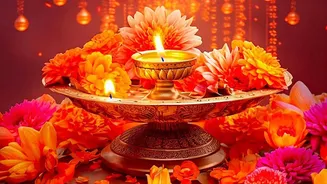
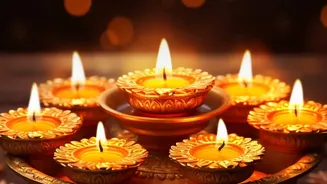
Long before plastic lights became ubiquitous, the gentle flame of the diya was the centerpiece of festive illumination. In Indian culture, the diya symbolises the triumph of light over darkness and knowledge over ignorance. Traditionally made from earth or metal, these lamps are central to rituals and celebrations. Brass has always been a preferred metal for diyas due to its durability and spiritual significance. Believed to enhance positive energy and purify its surroundings, a brass diya connects the present-day celebration to centuries of tradition. Unlike a disposable plastic light, a brass diya is not just a decoration but a meaningful object steeped in cultural heritage.
The Lasting Beauty and Benefits of Brass
Opting for brass diyas is a choice that offers benefits far beyond a single festive season. Brass is an exceptionally durable material that can last for generations, turning a simple decorative item into a family heirloom. Its warm, golden glow provides an ambiance that mass-produced LED lights cannot replicate. From a practical standpoint, brass is also a safe material for lamps as it has high heat resistance and does not crack or release harmful substances when heated. Furthermore, brass is an eco-friendly choice as the metal is recyclable. This means that even at the end of its long life, a brass diya can be repurposed without adding to landfill waste.
Supporting Artisans and a Circular Economy
The shift back to brass diyas also has a positive economic impact. It helps support the thousands of skilled artisans across India who have perfected their craft over generations. Regions like Moradabad in Uttar Pradesh, known as the "Brass City," have a rich history of producing exquisite brassware. By choosing handcrafted brass items, consumers contribute to the livelihood of these artisans and help preserve a vital part of India's cultural and economic heritage. This conscious consumerism fosters a local, circular economy where value is placed on craftsmanship, durability, and sustainable materials, rather than on disposable, mass-produced goods.
Making the Switch: Care and Maintenance
Embracing brass diyas is simple. They are available in a vast array of designs, from simple, traditional forms to intricate, modern styles like hanging diyas. Caring for them is straightforward and ensures they retain their lustre for years. Regular cleaning prevents the buildup of oil and soot. A simple and effective method is to use natural cleaners like a paste of tamarind and salt or lemon and baking soda, which naturally dissolve tarnish and restore the metal's shine. After cleaning, it's important to dry the diya thoroughly with a soft cloth to prevent water spots and oxidation. With just a little care, these beautiful objects remain a radiant part of your festive celebrations for a lifetime.