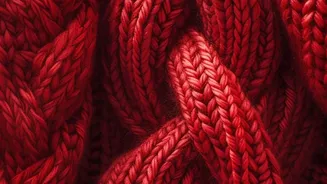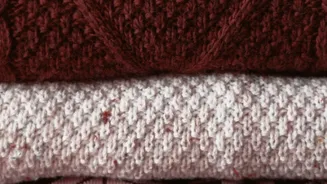




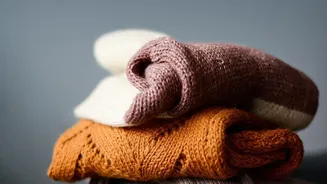


There's nothing like the cosy warmth of a wool sweater, but that comfort is often ruined by an annoying itch. The good news is that the problem isn't always the wool itself—it's how you care for it. A few simple changes can make it soft and wearable.
Understanding the Itch
That prickly sensation from wool comes down to fibre diameter. Coarser, larger fibres don't bend easily when they press against your skin; instead, they poke at nerve endings, causing irritation. Finer wools like merino have smaller diameter fibres that feel much softer. The natural, scaly surface of wool fibres also creates friction. While you can't change the type of wool you own, you can treat the fibres to make them smoother and much less scratchy through proper care.
The Right Way to Wash Wool
Incorrect washing is a primary cause of roughness. High heat and harsh agitation cause wool’s scaly fibres to lock together, a process called felting, which ruins the texture. Always check the care label first. If machine washing is permitted, use a wool or delicate cycle with cool water (around 30°C) and a low spin speed. Hand washing is often the safest bet. Use lukewarm water and a mild, neutral detergent specifically designed for wool, as standard detergents can strip the fibres of their natural oils. Submerge the garment, let it soak for about 10 minutes, and gently press the water through it. Avoid scrubbing or wringing, which can cause stretching and damage.
A Secret Softening Treatment
For wool that remains stubbornly itchy, a two-step conditioning treatment can work wonders. First, create a soak with cold water and a few tablespoons of white vinegar. Let the garment sit for about 15-20 minutes. Vinegar helps dissolve any leftover detergent residue and relaxes the fibres. After rinsing thoroughly with cold water, apply a generous amount of hair conditioner. Wool is structurally similar to human hair, and a good conditioner will smooth its cuticles. Work it gently through the fibres, let it sit for 30 minutes, then rinse completely.
An Unconventional Freezing Trick
If you're still battling the prickles, try this surprising method. After washing and conditioning, once the garment is just lightly damp, place it in a sealed plastic bag and put it in the freezer overnight. This process helps tighten the fibres, making them less likely to poke out and irritate your skin. Allow the item to air dry completely after removing it from the freezer. It’s an unconventional but often effective final step for reducing roughness.
Proper Drying and Storage
Never put wool in a machine dryer, as the high heat will cause it to shrink and felt. To dry, gently squeeze out excess water—never wring it—or roll the garment in a clean towel to absorb moisture. Lay the item flat on a fresh towel or a mesh drying rack, reshaping it to its original dimensions. Avoid hanging wet sweaters, as the weight of the water will stretch them out of shape. For longterm storage, ensure garments are clean and completely dry to prevent moths, which are attracted to dirt and body oils. Fold woollens instead of hanging them, and store them in a cool, dry place inside breathable fabric bags, not plastic. Adding cedar blocks or lavender sachets can also help repel moths naturally.