





The Benefits of Bench Seating
The appeal of a dining bench goes far beyond its rustic good looks. One of its greatest advantages is its efficiency with space. A bench can seat more people than the equivalent number of chairs, making it perfect for families with children or for those
who love to host gatherings. Unlike individual chairs that create visual clutter, a backless bench can be tucked neatly under the table when not in use, opening up walkways and making smaller rooms feel more spacious. This simple switch encourages a more communal, family-style dining experience, where everyone can squeeze in together. It’s a practical solution that fosters a sense of closeness and informality that is often lost in more traditional dining setups.
Choosing Your Wood and Style
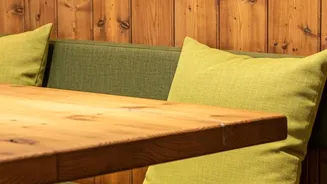
The type of wood you choose is fundamental to achieving the right rustic aesthetic. Woods like pine are known for their visible knots and lighter colour, offering a classic farmhouse feel. For something more durable and with a richer grain, oak is a sturdy, resilient choice that deepens in colour over time. Hickory is another excellent option, known for its hardness and dramatic colour variations that suit modern farmhouse styles perfectly. For a truly unique piece, reclaimed wood from old barns or buildings brings a history and weathered patina that new timber cannot replicate. Whether you prefer the clean lines of a modern rustic bench with a smooth finish or the textured look of rough-cut timber, the wood itself sets the tone for your entire dining area.
The Art of Mixing and Matching
One of today’s most popular and stylish approaches is to mix a bench with dining chairs. Placing a bench on one long side of a rectangular table with chairs on the other creates a balanced yet dynamic look. This 'best of both worlds' setup provides the casual, space-saving benefits of a bench while still offering the back support of traditional chairs for guests who might prefer it. To create a cohesive feel, you don't need a perfect match. Instead, aim for coordination. You can tie the different pieces together by choosing a common element, such as a shared wood tone, finish, or even a similar leg style. This intentional mix makes the space feel collected over time rather than bought as a pre-packaged set.
Accessorise for Comfort and Flair
While wooden benches are celebrated for their sturdiness and simple charm, adding a few thoughtful touches can elevate both comfort and style. A bare wooden surface can feel hard during long meals, so consider adding a long, upholstered seat pad or a collection of individual cushions. This not only provides softness but also offers a chance to introduce colour, pattern, and texture to your dining space. A soft throw blanket draped over one end adds another layer of warmth and visual interest. These accessories can be easily swapped out with the seasons, allowing you to refresh the look of your dining area without a major overhaul. Don't be afraid to play with contrasting fabrics or bold patterns to make a statement against the natural wood.
More Than Just a Dining Piece
The versatility of a wooden bench extends far beyond the dining table. Its simple, linear form makes it one of the most adaptable pieces of furniture in a home. In an entryway, it serves as a convenient spot to sit and remove shoes, perhaps with built-in storage underneath for organisation. At the foot of a bed, it can hold decorative pillows or a folded duvet. It can also function as a unique, low-profile coffee table in a living room or provide seating in a cosy breakfast nook. This adaptability ensures that even if your dining room layout changes, your wooden bench will always have a place in your home, making it a truly smart and lasting investment.