


The New Look of the Dairy Aisle
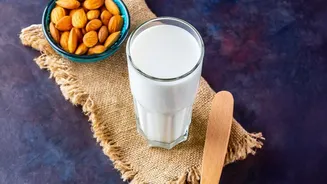
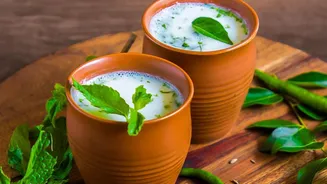
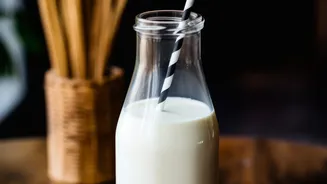
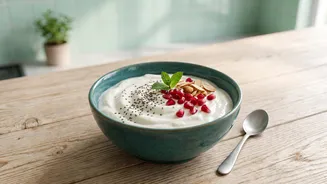
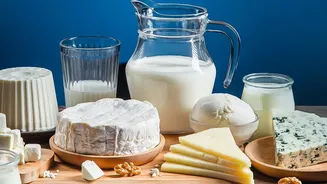
For decades, the choice for most Indian dairy consumers was simple: toned, full-cream, or perhaps skimmed milk. Today, that same refrigerated section is bustling with new possibilities. High-protein paneer now sits next to artisanal yogurts, while probiotic
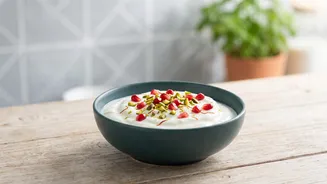
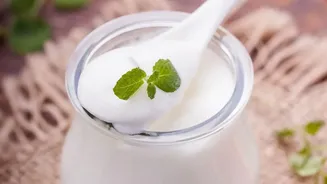
buttermilk and lactose-free milk compete for attention. This expansion is part of a broader trend where the focus is shifting from simply producing large volumes of milk to creating value-added products that cater to specific consumer needs. Brands are innovating beyond traditional offerings, introducing items like Greek yogurt, high-protein ice creams, and fortified beverages that promise more than just basic nutrition.
What Are Protein and Functional Foods?
This new wave of products often falls into two categories: protein-fortified and functional. Protein-fortified products are enriched to help consumers meet their daily protein requirements, which a large portion of the Indian population struggles with. These include milks with double or triple the normal protein content, protein-rich dahi, and even whey protein drinks from dairy giants. Functional foods, meanwhile, are designed to offer health benefits beyond basic nutrition. This includes products with added probiotics for gut health, vitamins and minerals to fight deficiencies, or specific formulations like A2 milk, which some find easier to digest. The goal is to make everyday foods work harder for consumer health.
The Drivers: Health, Wealth, and Hectic Lives
Several factors are driving this transformation. A primary engine is growing health consciousness, particularly among urban consumers. Rising disposable incomes mean more people can afford to pay a premium for products that align with their wellness goals. Furthermore, busy, fast-paced lifestyles have created a demand for convenient yet nutritious options. Consumers are no longer just seeking sustenance; they are looking for products that support an active life, aid in muscle recovery, or improve digestive health. This shift has been recognized by major players and new startups alike, who are rushing to fill this gap in the market.
From Co-operatives to Startups
This isn't just a story of new-age startups. Dairy cooperatives and legacy brands are at the forefront of this change. Amul, for instance, has launched an extensive range of high-protein products, including lassi, buttermilk, paneer, and even ice cream, under a campaign to make protein accessible to the masses. Mother Dairy has introduced its own 'Pro Milk,' a protein-enriched milk pouch designed to be an affordable, everyday solution. At the same time, brands like Provilac and Akshayakalpa Organic are innovating with offerings like India's first high-protein fresh milk, using technologies like ultra-filtration to naturally boost protein content without additives. This blend of large-scale distribution and niche innovation is rapidly expanding consumer choice.
Challenges and the Road Ahead
While the growth in value-added dairy is impressive, challenges remain. The industry still grapples with infrastructure gaps, a fragmented supply chain, and the need to ensure quality and hygiene consistently. Moreover, many of these new products are currently targeted at urban consumers, and making them accessible and affordable for the broader population will be a key hurdle. However, the direction is clear. The Indian dairy market, valued at over USD 158 billion in 2026, is moving decisively towards premiumisation and functional nutrition. As consumer awareness continues to grow, the humble glass of milk is evolving into a customisable tool for health and wellness.