







A Significant Drop in Anxiety
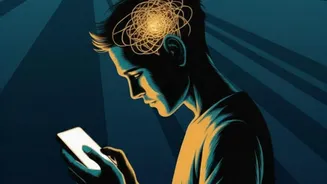
One of the most immediate benefits of a social media break is a reduction in anxiety and the notorious 'fear of missing out' (FOMO). Social platforms often become a highlight reel of curated perfection, leading to a constant, subconscious comparison game
that can leave you feeling inadequate. This cycle of comparing your real life to someone else's filtered reality can fuel feelings of stress and anxiety. By stepping away, you remove the source of this pressure. Studies have shown that even short breaks can lead to a significant drop in anxiety symptoms, allowing your mind to rest from the pressure to keep up and be constantly 'on'. This gives you the mental space to focus on your own life without the background noise of others' achievements and experiences.
Deeper, More Restful Sleep
If you're one of the many people who scroll through feeds before bed, a digital detox can dramatically improve your sleep. The issue is twofold. First, the blue light from screens can suppress melatonin, the hormone that signals to your body it's time to rest, making it harder to fall asleep. Second, the content itself—whether it's an exciting update, a stressful news story, or an endless stream of videos—keeps your brain stimulated and engaged when it should be winding down. This mental arousal can lead to delayed sleep, lower quality rest, and even insomnia. By creating a screen-free buffer before bed, you give your brain the chance to switch off, leading to faster, deeper, and more restorative sleep.
Improved Self-Esteem and Body Image
Social media is a breeding ground for social comparison, which can be incredibly damaging to self-esteem. We are constantly exposed to idealized images of bodies, lifestyles, and successes that are often unrealistic or heavily edited. This can create a gap between our own perceived reality and the 'perfection' we see online, leading to feelings of dissatisfaction and a negative self-image. Disconnecting from this environment allows you to break free from the comparison trap. A 2024 study found that a 14-day break from social media appeared to improve body image among participants. Taking time away from the feeds helps you reconnect with your authentic self and appreciate your own worth outside the context of likes and shares.
Enhanced Focus and Presence
The constant notifications and the temptation to quickly check your feed can fragment your attention and harm your ability to concentrate on the task at hand. This state of continuous partial attention makes it difficult to engage in deep work, meaningful conversations, or even just enjoy a quiet moment. Disconnecting allows you to reclaim your focus. Without the digital interruptions, you can become more present in your daily life. This practice of mindfulness—paying full attention to the here and now—can reduce stress, improve emotional regulation, and boost productivity. By training your brain to stay present, you enhance your ability to focus, leading to a greater sense of accomplishment and calm.
Stronger Real-World Connections
While social media promises connection, sometimes the quantity of those digital ties can come at the expense of the quality of our real-life relationships. Time spent scrolling is time not spent engaging face-to-face with friends and family. Deliberately disconnecting frees up that time and mental energy to invest in the people right in front of you. Being fully present during conversations, without the distraction of a phone, fosters deeper and more meaningful connections. While some studies note that quitting social media can sometimes increase feelings of loneliness if done impulsively, a planned and deliberate disconnection often has the opposite effect, encouraging you to nurture the relationships that provide genuine social support and a sense of belonging.