






The Annual Regulatory Gauntlet
Every year, as air quality in the National Capital Region deteriorates, authorities implement the Graded Response Action Plan (GRAP). As of October 22, 2026, Stage I has already been invoked, signaling the start of restrictions. For logistics operators,
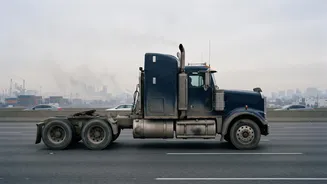
this framework creates significant uncertainty. Depending on the severity of pollution (categorized from 'Poor' to 'Severe+'), different rules are triggered. These can include a complete ban on the entry of older, more polluting commercial vehicles, specifically those that are not compliant with BS-VI emission standards. Since September 2026, these rules have been revised to be even stricter, with some restrictions that previously applied only in later stages now kicking in at Stage I. This means that from November 1, many non-Delhi registered commercial vehicles, such as BS-IV diesel trucks, are barred from entering the city, forcing an immediate and disruptive reaction from transport companies.
The Great Reroute
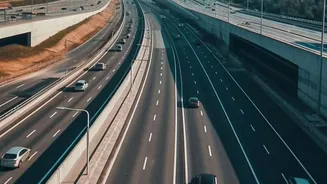
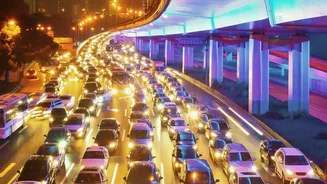
When entry bans are enforced, the most immediate strategy for logistics operators is rerouting. Instead of passing through Delhi, trucks carrying goods from, for example, manufacturing hubs in Gujarat to distribution centers in Uttar Pradesh must now bypass the capital entirely. The primary arteries for this diversion are the Eastern and Western Peripheral Expressways, which were built precisely for this purpose. However, this isn't a simple switch. These alternative routes add significant distance to journeys, sometimes up to 100-150 kilometers. This directly translates to higher fuel consumption, increased driver hours, and extended delivery timelines. For time-sensitive cargo, such as fresh produce or e-commerce deliveries, these delays can be critical. The increased traffic on these expressways during peak pollution season also leads to congestion, further complicating an already challenging situation.
Fleet Modernization and Hub-and-Spoke Models
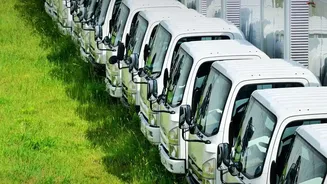
Beyond immediate rerouting, forward-thinking operators are adopting more permanent solutions. The most direct strategy is fleet modernization. Companies are increasingly investing in BS-VI compliant diesel trucks, CNG vehicles, and electric trucks, as these are typically exempt from GRAP restrictions. This, however, requires substantial capital investment. Another emerging strategy is the development of a 'hub-and-spoke' model. Plans are underway to establish large logistics hubs on the outskirts of Delhi in places like Sonipat, Ghaziabad, and Greater Noida. Under this system, long-haul diesel trucks would offload their cargo at these peripheral hubs. The final leg of the journey into the city would then be completed by smaller, compliant vehicles like electric trucks. This model aims to minimize disruption while still reducing emissions within the city's core.
The Rising Cost of Compliance
While essential for public health, these measures come at a significant cost to the logistics sector. The longer routes mean higher fuel bills and potentially higher wages for drivers due to longer trip times. Furthermore, the Environment Compensation Charge (ECC) for commercial vehicles entering Delhi was significantly hiked in April 2026 to further deter transit traffic. For a heavy truck, the entry fee is now ₹4,000, up from ₹2,600. These expenses, combined with the cost of investing in a modern fleet and the potential for penalties for non-compliance, are ultimately passed down the supply chain. This can lead to increased prices for consumers and tighter margins for businesses that rely on freight transport.
Technology as a Navigator
To manage the chaos, logistics companies are leaning heavily on technology. Advanced fleet management systems with real-time GPS tracking are no longer a luxury but a necessity. Route optimization software helps planners dynamically reroute trucks based on the latest GRAP announcements and traffic conditions. Digital verification of documents like the Pollution Under Control Certificate (PUCC) is also becoming standard practice, especially with the 'No PUCC, No Fuel' rule now being enforced across the NCR. By using technology to monitor fleet compliance and optimize routes on the fly, operators can mitigate some of the delays and costs associated with the annual emission rules.