


Visa-Free Entry: What You Must Know
For Indian passport holders, the dream of a Malaysian backpacking trip is easier to achieve than ever. The Malaysian government has extended visa-free entry for Indian citizens until December 31, 2026. This allows for a stay of up to 30 days for tourism
purposes. However, 'visa-free' doesn't mean you can just show up. There are mandatory requirements you must fulfill. The most critical is the Malaysia Digital Arrival Card (MDAC), an online form that must be completed within three days prior to your arrival. This form is free and can be filled out on the official immigration portal. Be prepared to also show a passport with at least six months of validity, a confirmed return flight ticket, and proof of accommodation, such as hotel bookings.
Warning for Job Seekers
A crucial point to remember is that this visa-free facility is strictly for tourism, short business meetings, or social visits. The Indian High Commission in Kuala Lumpur has issued warnings against attempting to use this entry method to seek employment. There has been a rise in cases where individuals have been misled by agents with false job promises, leading to serious consequences like detention and legal action for overstaying. If your purpose is employment, you must obtain the correct work visa before travelling.
Budgeting Your Malaysian Adventure
Malaysia is a backpacker-friendly destination, offering great value for money. A comfortable daily budget can range from ₹2,500 to ₹4,000. Accommodation in a decent hostel dorm in Kuala Lumpur or Penang will set you back about ₹800-₹1,200 per night. Food is both a cultural highlight and incredibly affordable. Eating at local hawker stalls and food courts will allow you to enjoy delicious meals for as little as ₹300-₹500. Local transport is efficient and cheap, and many attractions are free or have a minimal entrance fee. Alcohol is relatively expensive compared to neighbouring countries due to taxes, so factor that into your budget if you plan to party.
Backpacker Havens: Kuala Lumpur and Penang
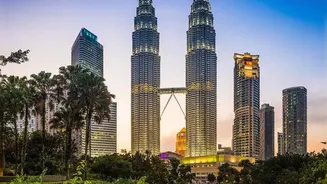
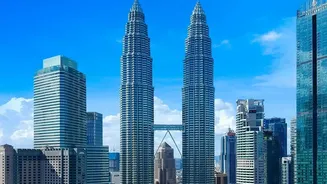
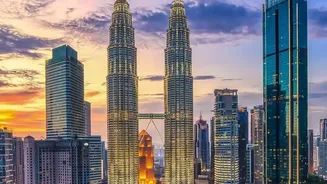
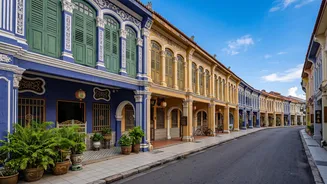
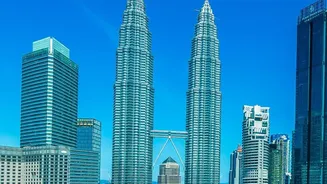
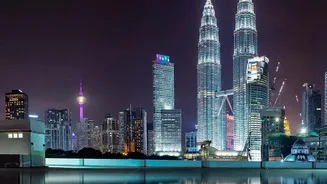
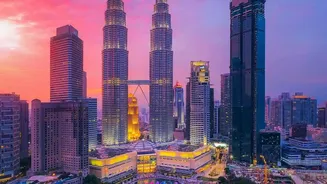
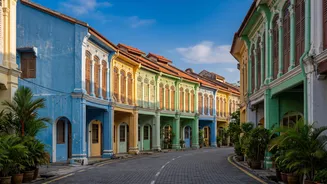
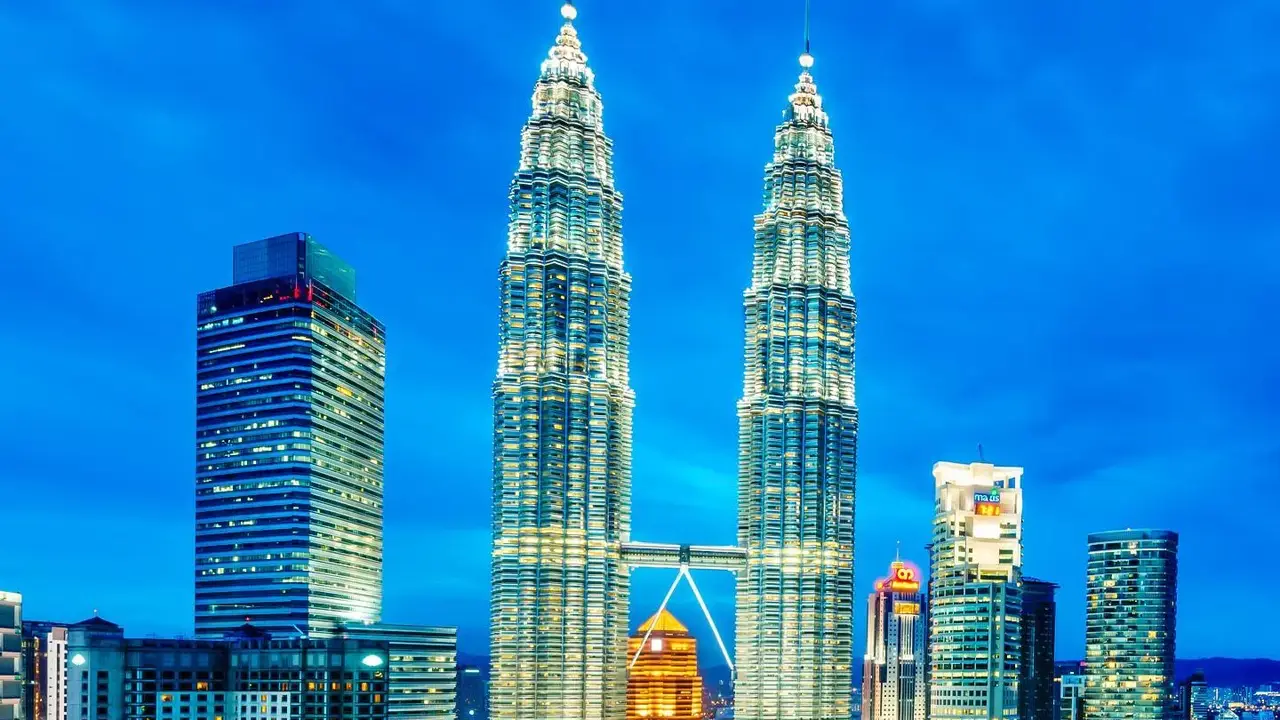
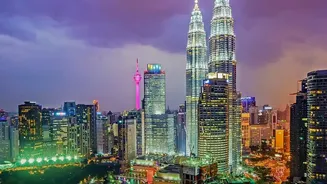
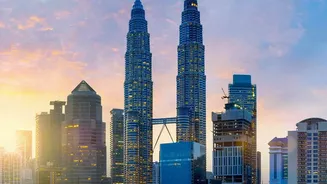
Kuala Lumpur (KL) is a city of contrasts, where modern skyscrapers stand beside colonial architecture and bustling markets. For budget stays, look for hostels around Chinatown or Bukit Bintang. Key experiences include visiting the iconic Petronas Towers, exploring the Batu Caves, and getting lost in the street food paradise of Jalan Alor. For a dose of culture, the city's free walking tours are an excellent option. Penang, on the other hand, is the heart of Malaysia's food and heritage scene. George Town, a UNESCO World Heritage site, is where you'll spend most of your time. Stay around Chulia Street or Love Lane, the backpacker hub. Spend your days hunting for the famous street art, exploring the Clan Jetties on stilts, and taking the funicular railway up Penang Hill for stunning views.
Getting Between Kuala Lumpur and Penang
Travelling the approximately 350 km between KL and Penang is straightforward and offers several options for different budgets. The most popular and cheapest method for backpackers is the bus. Comfortable, air-conditioned buses run frequently from KL's Terminal Bersepadu Selatan (TBS) and take around five hours, dropping you at Sungai Nibong bus terminal in Penang. Another great option is the train. The ETS (Electric Train Service) from KL Sentral to Butterworth is scenic and takes about four hours. From Butterworth, a short and cheap ferry ride will take you directly to George Town on Penang Island. While flying is the fastest option, once you factor in travel time to and from the airports, the bus or train are often just as convenient and more budget-friendly.
Safety and Cultural Etiquette
Malaysia is generally a safe country for travellers, including solo females. However, standard precautions apply. Be mindful of your belongings in crowded areas to avoid petty theft and snatch thefts, which can occur. When visiting mosques or temples, dress modestly by covering your shoulders and knees. Malaysia is a multicultural country with Malay, Chinese, and Indian influences, creating a rich cultural tapestry. The people are generally friendly and welcoming. It's a good practice to use your right hand when eating with your hands or exchanging items. While tap water is not recommended for drinking, bottled water is widely available and affordable.