






What Is This Ancient Supergrain?
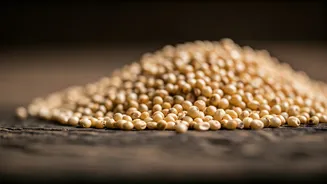
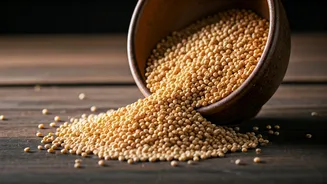
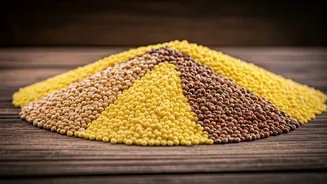
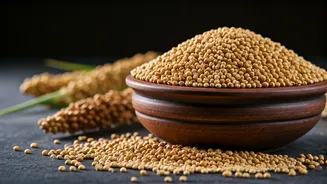
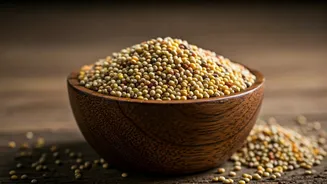
Sorghum, or jowar, is a powerhouse cereal grain that has been a staple in parts of Asia and Africa for thousands of years. While often grouped with and called a 'great millet', it belongs to its own distinct genus in the grass family. In India, it's a familiar
sight, traditionally used to make flatbreads (bhakri). But its versatility goes far beyond that. As more people seek out nutritious, gluten-free alternatives to wheat and rice, jowar is stepping into the spotlight not just as a rustic staple, but as a modern wellness ingredient perfect for the most important meal of the day.
A Nutritional Powerhouse
The reasons to embrace jowar for breakfast are stacked high. Firstly, it's naturally gluten-free, making it an excellent choice for those with celiac disease or gluten sensitivity. It is packed with an impressive amount of dietary fibre, which is crucial for good digestion and keeping you feeling full for longer. This high fibre content also helps in managing weight by preventing unnecessary snacking. Furthermore, jowar is a fantastic source of plant-based protein, minerals like iron and magnesium, and essential B vitamins that help convert food into energy. Its complex carbohydrates are digested slowly, ensuring a steady release of energy without the sharp spikes in blood sugar associated with refined grains.
The Perfect Breakfast Fuel
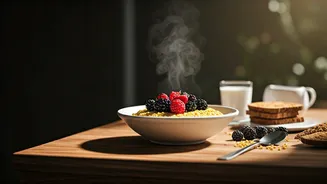
Starting your day with jowar sets you up for success. The sustained energy it provides is ideal for powering through a busy morning, preventing that dreaded mid-morning slump. Its high fibre and protein content promote satiety, meaning you’ll feel full and satisfied until lunch. For those concerned with heart health, the fibre in jowar helps in lowering 'bad' LDL cholesterol levels. Rich in antioxidants, this grain also helps combat oxidative stress and inflammation in the body. By simply switching to a jowar-based breakfast, you are not just eating a meal; you are actively nourishing your body for the hours ahead.
Easy Jowar Breakfast Ideas
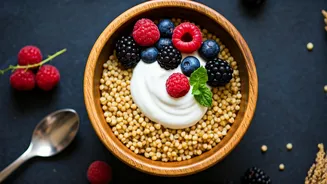
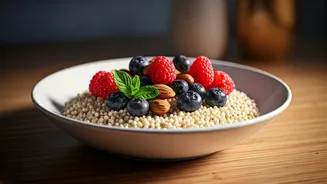
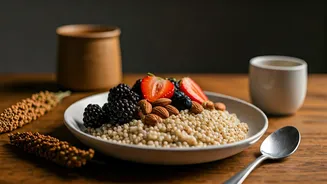
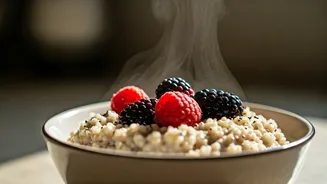
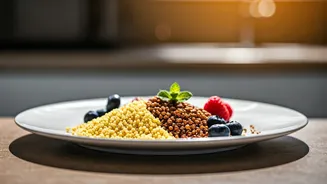
Incorporating jowar into your breakfast is surprisingly simple. You can find it as a whole grain, or more commonly, as flour. Here are a few easy ideas to get you started: Jowar Upma: A savoury and hearty porridge made with whole jowar grains and vegetables. Simply pressure cook the soaked grains and then temper them with mustard seeds, curry leaves, onions, and your favourite chopped vegetables for a filling, one-pot meal. Sorghum Porridge: For a sweet start, cook jowar flour with milk or water until it thickens into a creamy porridge. Add a touch of jaggery or honey, a pinch of cardamom, and top with fresh fruits and nuts for a comforting and nutritious bowl. Instant Jowar Dosa or Cheela: Whisk jowar flour with water or buttermilk, add finely chopped onions, green chillies, and coriander to create a batter. You can then make thin, crispy dosas or soft, savoury cheelas on a hot tawa. It’s a quick, healthy, and protein-packed option.
Tips for Cooking with Jowar Flour
Working with jowar flour is different from wheat flour due to the absence of gluten. For making dough for rotis or bhakris, it's essential to use hot water. The hot water helps the starches in the flour bind together, creating a more pliable and less crumbly dough. When kneading, do so while the dough is still warm to get a smooth texture. Jowar flour can also be combined with other flours like bajra, ragi, or a small amount of whole wheat to make multigrain rotis, which are both soft and nutritious. Don't be afraid to experiment with it in recipes for pancakes, muffins, and even as a base for a healthy, gluten-free pizza.