


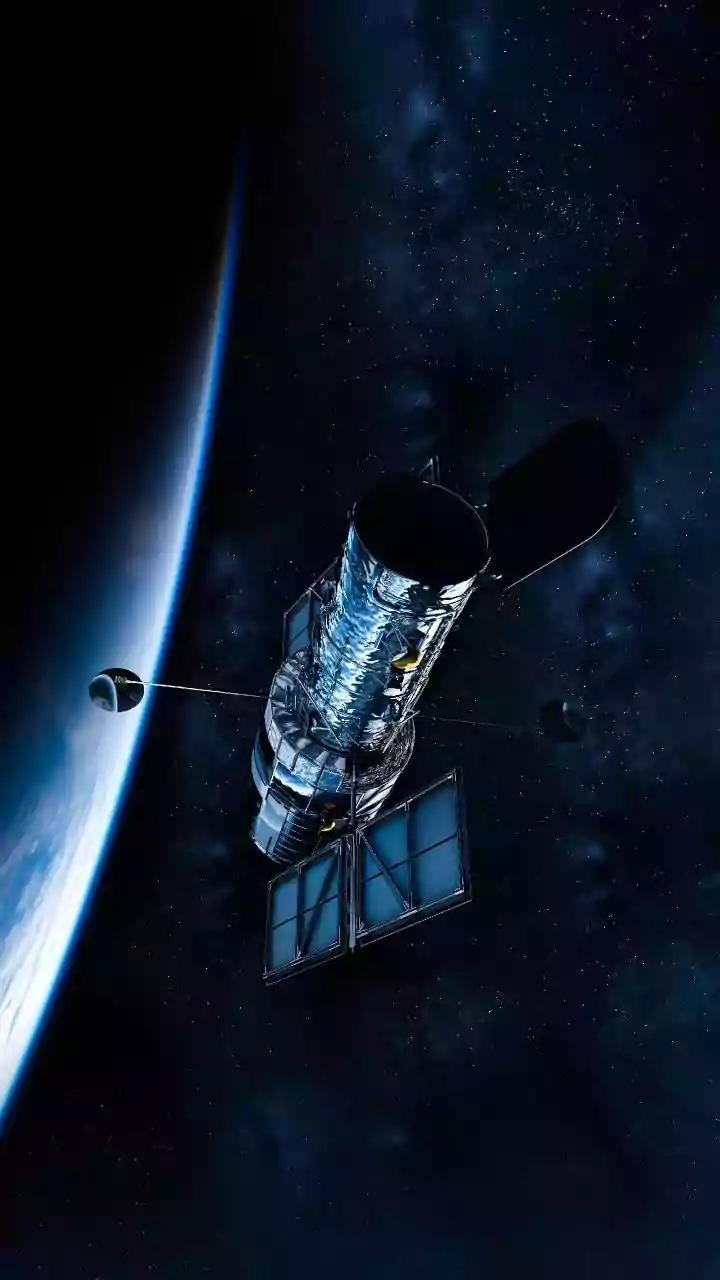

The next frontier for data centers isn't in a remote desert, but in orbit around Earth. As companies plan vast constellations of computing satellites, a conflict is emerging between technological progress and our ability to see the universe.
Why Put Data Centers in Space?
The explosive
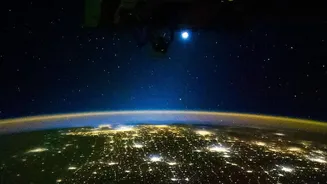
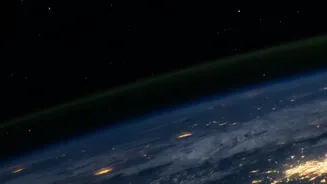
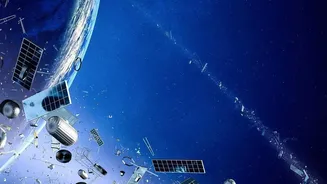
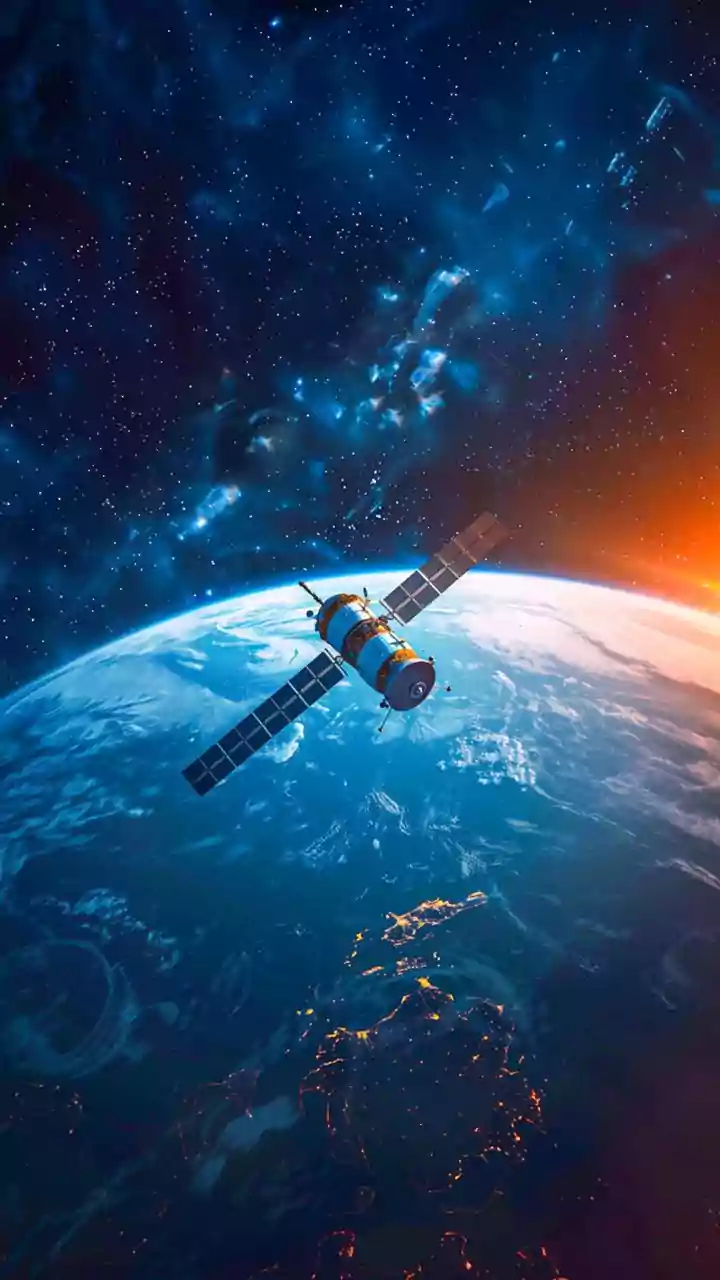
growth of artificial intelligence and data processing is pushing our terrestrial infrastructure to its limits. Building and running massive data centers requires immense amounts of electricity, vast tracts of land, and enormous quantities of water for cooling. In response, a new generation of tech companies and aerospace firms are looking to the sky. Their vision is 'orbital computing': networks of satellites that act as data centers in low-Earth orbit. These orbital platforms could be powered by continuous, unfiltered sunlight and cool themselves by radiating heat into the vacuum of space, bypassing many earthly constraints. Companies like Orbital Compute, SpaceX, and others are planning constellations numbering in the tens or even hundreds of thousands of satellites to create a global, space-based computing grid. The goal is to process data closer to where it's collected by other satellites and to unlock computational power without straining our planet's resources.
A New Kind of Light Pollution
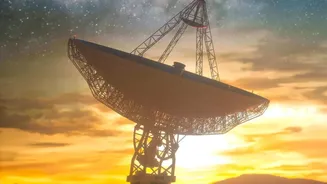
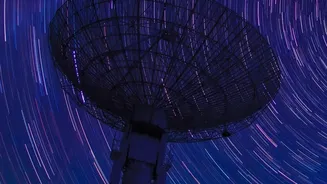
While the concept is innovative, it presents a serious challenge for astronomers. These satellites, even if small, have reflective surfaces like solar panels and antennas. When these surfaces catch the sun's rays, they reflect light down to Earth, appearing as bright streaks in the night sky, especially in the hours after dusk and before dawn. This isn't the familiar glow from cities, but a new form of light pollution originating from space itself. For ground-based telescopes taking long-exposure images of the cosmos, these satellite trails can be devastating. A single bright streak can overwhelm the faint light from distant celestial objects, effectively ruining an entire observation that might have taken hours to capture. The American Astronomical Society (AAS) has warned that as these 'mega-constellations' grow, the sheer number of satellites could contaminate a significant percentage of astronomical images, threatening an irretrievable loss of information.
The Threat to Faint Galaxies
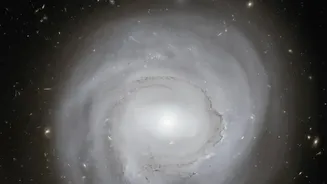
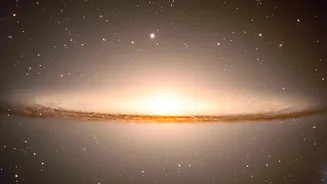
The objects most at risk are faint, distant galaxies. These are not the bright, easily photographed neighbours of our own Milky Way, but ghostly smudges of light from the dawn of time. Studying these faint galaxies is crucial for understanding the origins of the universe, the nature of dark matter, and how cosmic structures evolve. Their light is incredibly weak, requiring sensitive instruments and long, uninterrupted exposures to capture. The problem is that satellite trails are often brighter than these astrophysical targets. The cumulative effect of thousands of satellites could also raise the overall brightness of the night sky, creating a permanent 'sky-glow' that makes it impossible to detect the faintest objects at all. The International Astronomical Union (IAU) has set a limit for acceptable light pollution at observatory sites, and models suggest these new constellations could push the sky beyond that threshold.
A Search for Solutions
The scientific community is not standing idly by. Organizations like the IAU and the AAS are actively collaborating with satellite operators to find solutions. Several mitigation strategies are being explored. One approach is to make the satellites themselves less reflective. This includes using special dark paints that absorb most of the light that hits them or designing 'sunshades' to block sunlight from hitting the most reflective parts of the satellite. Another key recommendation is to keep satellites in lower orbits (below 600 kilometers), which ensures they spend more time in Earth's shadow and are not illuminated all night long. Additionally, sharing precise orbital data would allow observatories to schedule their observations to avoid known satellites. Software is also being developed to help mask or remove satellite trails from images, but this can't fully recover the lost data underneath the streak. The goal is not to stop progress, but to foster a collaborative environment where technological innovation and fundamental scientific discovery can coexist.