


The Ultimate Low-Maintenance Duo
If you've ever felt intimidated by the idea of keeping a plant alive, the Snake Plant (Dracaena trifasciata) and Golden Pothos (Epipremnum aureum) are your ideal starting point. They are widely celebrated not just for their good looks, but for their incredible
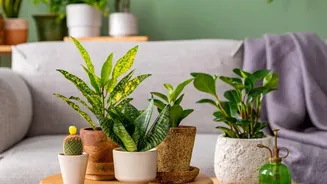
resilience. Both plants are remarkably forgiving, making them perfect for beginners or anyone with a busy schedule. They tolerate a wide range of indoor conditions, especially lower light levels common in bedrooms or offices. Their ability to thrive on a bit of neglect is a key part of their charm; in fact, the most common way to harm them is by giving them too much attention, particularly overwatering. This 'stress-free' nature means you get all the aesthetic and wellness benefits without the anxiety of a demanding plant care routine.
Meet the Snake Plant: The Sculptural Survivor
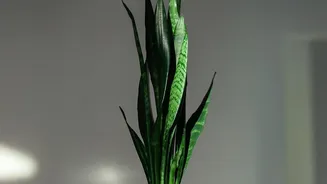
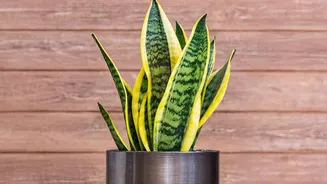
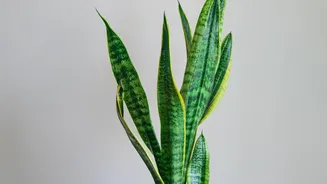
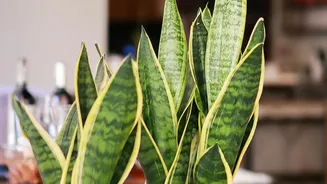
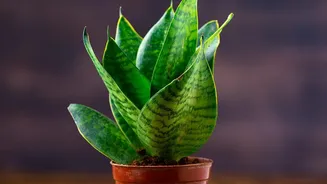
The Snake Plant is an icon of modern interior design, known for its striking, architectural leaves that stand tall and sword-like. It’s a succulent, which means it stores water in its leaves and is extremely drought-tolerant. You can often go weeks between waterings, waiting until the soil is completely dry. One of its standout features is its adaptability to light; while it appreciates bright, indirect light, it performs perfectly well in shady corners, making it ideal for a desk that isn't right by a window. A unique trait of the snake plant is its ability to perform a type of photosynthesis at night, releasing oxygen while you sleep, which has made it a popular choice for bedrooms.
Meet the Pothos: The Cascading Classic
The Pothos is beloved for its lush, heart-shaped leaves and trailing vines that can elegantly cascade down a bookshelf or the side of a desk. It's an incredibly easy-going plant that communicates its needs clearly; its leaves will start to droop slightly when it's thirsty, bouncing back quickly after a drink. Like the snake plant, pothos is tolerant of a variety of lighting conditions, from low to bright indirect light. Its fast-growing nature provides a rewarding experience, as you quickly see the fruits of your minimal labour. It’s a plant that looks and feels generous, adding a soft, organic touch to the hard lines of a workspace.
The Truth About Air Purification
A famous 1989 NASA study found that certain houseplants, including snake plants and pothos, could remove volatile organic compounds (VOCs) like formaldehyde and benzene from sealed environments. This led to their reputation as powerful air purifiers. However, modern research has contextualized these findings. While the plants do filter pollutants, the effect in a typical, ventilated room is quite small. A recent analysis concluded that you would need a huge number of plants—up to a thousand per square metre—to match the air-cleaning power of a building's standard ventilation system. So, while a few plants on your desk won't scrub your air clean, they are part of a healthier indoor ecosystem. Their primary benefits are more grounded in psychology.
The Real Benefit: A Happier, Calmer Mind
The most significant impact of having a plant on your desk is on your mental well-being. Study after study has shown that interacting with indoor plants can reduce stress and anxiety. The presence of greenery has been linked to lower levels of the stress hormone cortisol, improved mood, and increased feelings of calm. One Japanese study found that workers who simply had a small plant on their desk experienced a measurable reduction in anxiety. This phenomenon, sometimes called 'soft fascination', suggests that the gentle, undemanding presence of a plant helps restore our focus and reduce mental fatigue. Caring for another living thing, even in a small way, can also promote feelings of self-care and positivity.