






Why Create a Green Reading Nook?
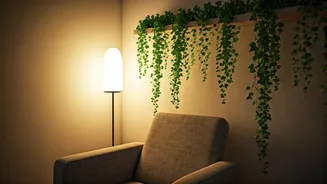
In our busy lives, carving out a space purely for oneself can feel like a luxury. A reading nook is more than just a chair and a lamp; it’s a dedicated zone for quiet contemplation and escape. Introducing plants, especially trailing varieties, transforms
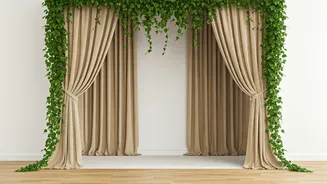
this space into a biophilic haven. The presence of greenery is proven to reduce stress, improve focus, and purify the air. A curtain of lush leaves provides a soft visual barrier, enhancing the feeling of a private, protected alcove where the outside world can melt away.
1. Devil's Ivy (Pothos)
Often called Money Plant in India, Devil's Ivy (Epipremnum aureum) is the undisputed champion for beginner plant parents. It's incredibly resilient, forgiving, and thrives in a wide range of lighting conditions, from bright, indirect light to lower-lit corners. Its heart-shaped leaves, often variegated with yellow or white, grow on long, flexible vines that can be easily trained to climb walls or cascade from shelves. For a reading nook, you can place it on a high shelf and let its vines hang down, creating a natural curtain. A word of caution: Devil's Ivy is toxic if ingested, so it's best to keep it out of reach of curious pets and small children.
2. English Ivy (Hedera helix)
For a classic, old-world library feel, nothing beats English Ivy. Its distinctively lobed, dark green leaves create a dense and elegant foliage. This plant is a vigorous climber and will readily attach to surfaces or trail beautifully from a hanging basket. It prefers cooler environments and consistent moisture, so avoid placing it in direct, harsh sunlight which can scorch its leaves. You can use small, clear adhesive hooks to guide its vines up and around your nook's walls, framing your reading chair in a tapestry of green. Like Pothos, English Ivy is toxic to pets and humans if consumed.
3. String of Hearts (Ceropegia woodii)
If you're looking for something more delicate and whimsical, the String of Hearts is a perfect choice. This charming succulent features tiny, heart-shaped leaves patterned with silver on long, slender, purplish vines. It creates a gentle, lace-like screen rather than a dense canopy. It thrives in bright, indirect light and prefers its soil to dry out completely between waterings, making it relatively low-maintenance. Drape it from a floating shelf above your seat to create a subtle, romantic effect. It’s a non-toxic option, making it a safer choice for homes with pets and kids.
Choosing and Preparing Your Nook
The ideal reading alcove is typically a quiet corner of a room, perhaps near a window that provides natural light. Before you start, assess the light conditions. Does the spot get bright, indirect light for most of the day, or is it shadier? Choose your trailing plants based on this assessment. Ensure there's enough space for a comfortable chair and a small side table for your book and a cup of tea. If you plan to hang plants, check that your ceiling or wall can support the weight of the pots, especially after watering.
Designing the Green Canopy
The magic is in the arrangement. For a true alcove feel, you want the foliage to surround you. Start by placing plants at different heights. Use a tall bookshelf as a perch, install a few floating shelves on the walls flanking your chair, or use macrame hangers suspended from the ceiling. Don't be afraid to guide the vines. Use small hooks, twine, or wire to gently train them along the wall, over the top of a bookshelf, or around a window frame. The goal is to create layers of green that envelop the space without making it feel claustrophobic. Integrating a strand of warm fairy lights among the leaves can add an extra touch of cozy magic for evening reading sessions.