




What in the World is 'Swicy'?
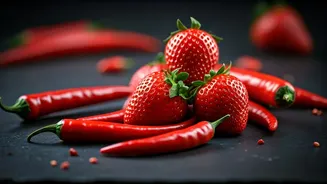
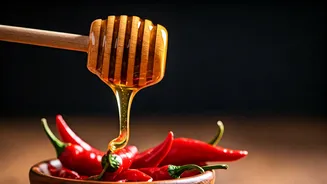
‘Swicy’ is a portmanteau of ‘sweet’ and ‘spicy’, and it describes the culinary trend of combining these two powerful flavour profiles in one dish. Think of the delectable kick from Crispy Honey Chilli Potatoes, the complex notes in Korean gochujang, or the classic
Thai sweet chilli sauce. While social media has recently given this age-old combination a catchy new identity, the pairing itself is anything but new. In fact, according to research firm Datassential, menu offerings featuring this combination have surged by 38% in the past year, cementing 'swicy' as a top food trend.
An Old Flavour for a New Generation
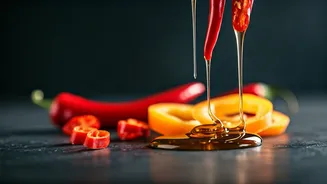
So why the sudden buzz? The trend has found a particularly passionate audience among Gen Z and Millennial consumers, who are often seeking more complex, multi-layered flavours. The rise of products like Mike's Hot Honey, a chilli-infused honey that became a viral sensation for drizzling on everything from pizza to fried chicken, helped propel the trend into the mainstream. This has been amplified by social media platforms like TikTok, where users share their 'swicy' creations, from spicy mango salads to gochujang-infused cocktails. It’s not about overwhelming heat; it’s about balance. The sweetness mellows the intensity of the spice, making it more accessible and creating an addictive, crave-worthy experience.
A Taste of Home: India's 'Swicy' Heritage
For anyone in India, this global trend might feel amusingly familiar. Long before ‘swicy’ was a hashtag, it was a way of life in Indian kitchens. From the sweet and tangy tamarind chutney served with samosas to the iconic Gujarati Undhiyu that masterfully blends jaggery with spices, Indian cuisine has championed this flavour profile for centuries. Think of the chaat carts on every corner, serving up Bhel Puri that perfectly balances the sweetness of tamarind with the fire of green chutney. As Anita Shirodkar, co-founder of condiment brand Hotchaa!, notes, “What the West is calling ‘swicy’ isn’t new to us — it’s something we’ve grown up with.”
The Science of Sensation
There's a fascinating science behind why we find this combination so irresistible. Spiciness isn't technically a taste; it's a pain response triggered by a compound called capsaicin found in chillies. This compound tricks the heat receptors in our mouth into sending 'burning' signals to the brain. When sweetness is introduced, it provides a pleasant contrast, effectively softening the heat and allowing the complex flavours of the chilli to shine through. This dynamic interplay keeps your palate engaged, creating a more exciting and memorable eating experience than either sweet or spicy could achieve alone.
The 'Swicy' Wave in Modern India
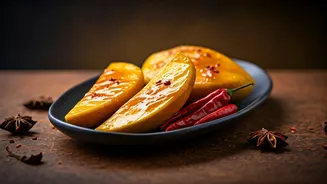
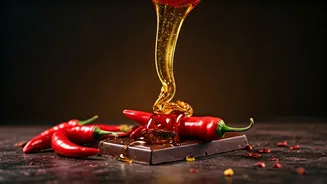
While traditional dishes are the original champions of 'swicy', the trend is also inspiring a new wave of innovation in India. Chefs and home cooks are experimenting with modern interpretations, leading to creations like honey chilli paneer, spicy mango chilli salsa, and even chilli chocolate ladoos. Condiment brands are launching products like hot honeys and sweet chilli sauces designed for a globalised Indian palate. Sagar Merchant, founder of Kaatil, points out that the global curiosity around bold tastes has helped Indian flavours travel. Formats like ready-to-use sauces and dips are making it easier than ever for consumers to add a 'swicy' kick to their everyday meals.