




What Is Zone 2 Cardio?
Zone 2 cardio refers to exercising at a low to moderate intensity, specifically when your heart rate is between 60% and 70% of its maximum. Think of it as the “conversational pace.” It’s an effort level where you’re working and breathing a bit heavier,
but you could still comfortably hold a conversation without gasping for breath. Unlike high-intensity workouts that leave you drained, Zone 2 feels sustainable and even refreshing. It’s the sweet spot where your body becomes incredibly efficient at producing energy, and it forms the foundation of a strong aerobic base.
The Science of a Slower Burn
The magic of Zone 2 lies in how your body fuels itself. At this specific intensity, your body primarily uses fat as its main energy source. This is crucial for desk workers, as a sedentary lifestyle can impair metabolic function. By training in Zone 2, you teach your body to become better at fat oxidation. Furthermore, this type of training improves your mitochondrial health. Mitochondria are the powerhouses of your cells, responsible for generating energy. Regular Zone 2 exercise can increase the number and efficiency of your mitochondria, which means more energy for your workouts and your entire day. This enhanced cellular function is a key reason why it's linked to improved longevity and overall health.
Finding Your Zone 2
To start, you need a rough estimate of your maximum heart rate (MHR). The simplest formula is 220 minus your age. For a 40-year-old, the estimated MHR would be 180 beats per minute (bpm). Your Zone 2 would then be 60% to 70% of that number, which is a target range of 108 to 126 bpm. However, you don’t need a heart rate monitor to know if you’re in the zone. The “talk test” is a reliable guide. If you can speak in full sentences but can't sing a song, you're likely in the right place. If you can sing easily, you need to pick up the pace slightly. If you can only get out a word or two, you’re pushing too hard and have likely moved into a higher zone.
How Desk Workers Can Get Started
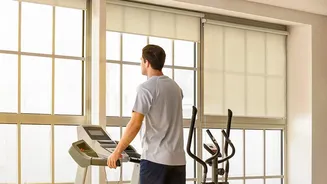
The beauty of Zone 2 is its accessibility. You don’t need a gym or intense, scheduled sessions. The goal is to integrate more sustained, low-intensity movement into your day. A brisk walk is a perfect example of Zone 2 cardio. Try scheduling walking meetings where you can talk on the phone while pacing outside. Use your lunch break for a 15-to-20-minute power walk, which not only counts as a Zone 2 session but can also combat post-meal fatigue. Other great options include casual cycling, using an elliptical or rowing machine at a relaxed speed, or a light jog. Some office workers invest in under-desk treadmills or bikes, allowing them to accumulate Zone 2 minutes while answering emails. The key is consistency and finding what fits your routine. Even household chores like mowing the lawn or vacuuming vigorously can qualify.