




First Steps: Prep for Success
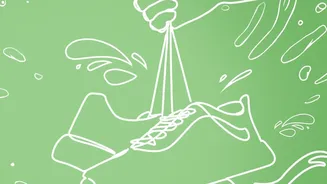
Before you try any drying method, a little preparation goes a long way. As soon as you can, take your shoes off. Remove the insoles and laces and set them aside to dry separately. This simple step opens up the shoe, allowing air to circulate more freely
and speeding up the entire process significantly. If your shoes are caked in mud, give them a quick wipe with a cloth to remove any surface dirt before it sets. This prevents stains and ensures you aren't trapping grime inside as you dry them.
The Newspaper Method: An Old-School Classic
There's a reason this trick has been passed down for generations: it works. Newspaper is highly absorbent and is one of the most effective ways to draw moisture out from the inside of your shoes. Loosely crumple up balls of newspaper and stuff them inside each shoe, making sure to reach the toe area. Don't pack it too tightly, as you need space for the paper to absorb water. You can also wrap the outside of the shoe in a few sheets. For very wet shoes, you'll need to replace the damp newspaper with fresh, dry sheets every few hours. Be mindful of using pages with heavy ink on light-coloured interiors to avoid transfer.
Harness the Power of a Fan
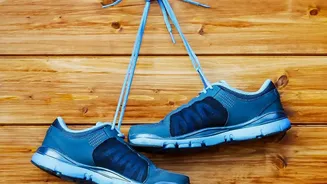
For a faster, yet still safe, option, turn to a simple room fan. Unlike direct heat, the constant airflow from a fan gently and evenly dries your shoes without risk of damage. Position your shoes in front of a table or floor fan, ensuring the air can blow directly inside. For lace-up shoes, you can even use wire hooks or the laces themselves to hang them from the fan's grille, allowing for maximum air circulation. This method is particularly useful when you get to the office and need a relatively quick solution before your commute home.
Special Care for Leather Footwear
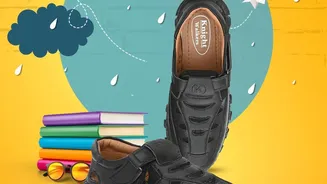
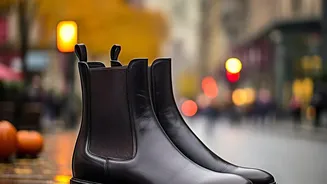
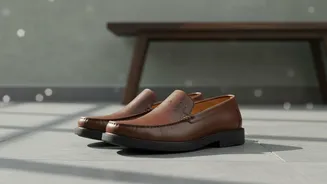
Leather shoes require a more delicate approach. Water strips leather of its natural oils, and drying it too quickly with heat can cause the material to become brittle, crack, and shrink. After blotting away surface water, the best method is to let them air-dry naturally in a well-ventilated room, away from any direct heat source. Inserting cedar shoe trees is highly recommended; they help absorb internal moisture while crucially maintaining the shoe's shape as it dries. This process is about preservation, not speed, and can take at least 24 hours.
What You Must Absolutely Avoid
In a desperate attempt to dry shoes quickly, it's easy to make mistakes that cause permanent damage. Never place your shoes directly on a radiator, in an oven, or use a hairdryer on a high heat setting. Intense, direct heat can melt the glues that hold your shoes together, warp the materials, and cause leather to crack irreversibly. Even leaving them in direct sunlight can lead to fading and damage. Patience with gentle methods will always be better than a quick fix that ruins your footwear.
Tackling the Post-Rain Odour
Even after your shoes are dry, a lingering musty smell can remain. This odour is caused by bacteria and mould that thrive in damp environments. To combat this, once the shoes are completely dry, you can sprinkle some baking soda inside them and let it sit overnight to absorb any remaining odours; just be sure to tap it all out in the morning. Alternatively, placing a few dry tea bags or silica gel packets inside can also help absorb leftover moisture and smells.