
The Secret Power of Stale Bread
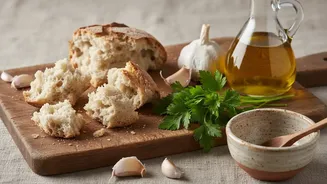
The key to upcycling bread is understanding that stale is not the same as mouldy. Stale bread is simply bread that has lost its moisture, making it dry and hard. This is actually a desirable quality for many recipes. Its dry, porous structure makes it a perfect
sponge for soaking up flavours from broths, oils, and seasonings. European peasant cuisines, particularly from Italy, have long celebrated stale bread as an essential ingredient for creating hearty, satisfying meals from humble staples. Dishes like Tuscan Ribollita or Pappa al Pomodoro are classic examples of how day-old bread can be used to thicken soups and stews, adding body and texture without cream or other agents. So, before you begin, assess your bread. If it’s just hard and dry, it’s perfect. If you have a fresh loaf you want to use, you can slice it and bake it in a low oven until it dries out.
From Stale Slices to a Creamy Garlic Dip
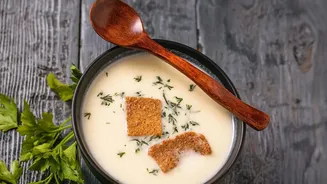
One of the most surprising transformations for stale bread is turning it into a creamy, pungent garlic dip. While many dips are cheese or yoghurt-based, stale bread provides a fantastic, neutral canvas. The Spanish dish Ajoblanco, for example, is a cold soup or dip made from bread, ground almonds, and garlic. You can create your own simplified version at home. Start by soaking cubes of stale, crustless white bread in a small amount of water or milk until they become soft. Squeeze out the excess liquid. In a blender or food processor, combine the soaked bread with several cloves of fresh garlic (or roasted garlic for a milder, sweeter flavour), a generous glug of good quality olive oil, a squeeze of lemon juice, and a pinch of salt. Blend until the mixture is smooth and creamy. The bread acts as an emulsifier, creating a thick, spreadable consistency perfect for serving with vegetable sticks or toasted pita.
The Art of the Country-Style Bread Soup
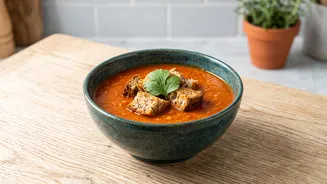
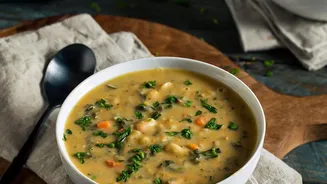
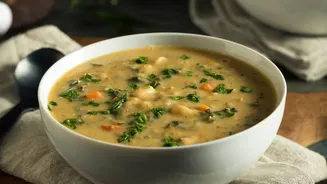
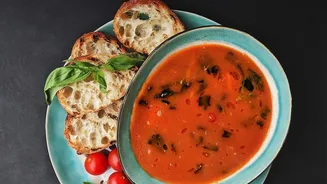
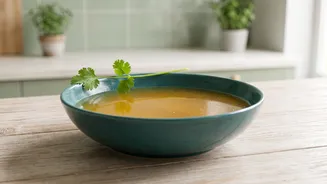
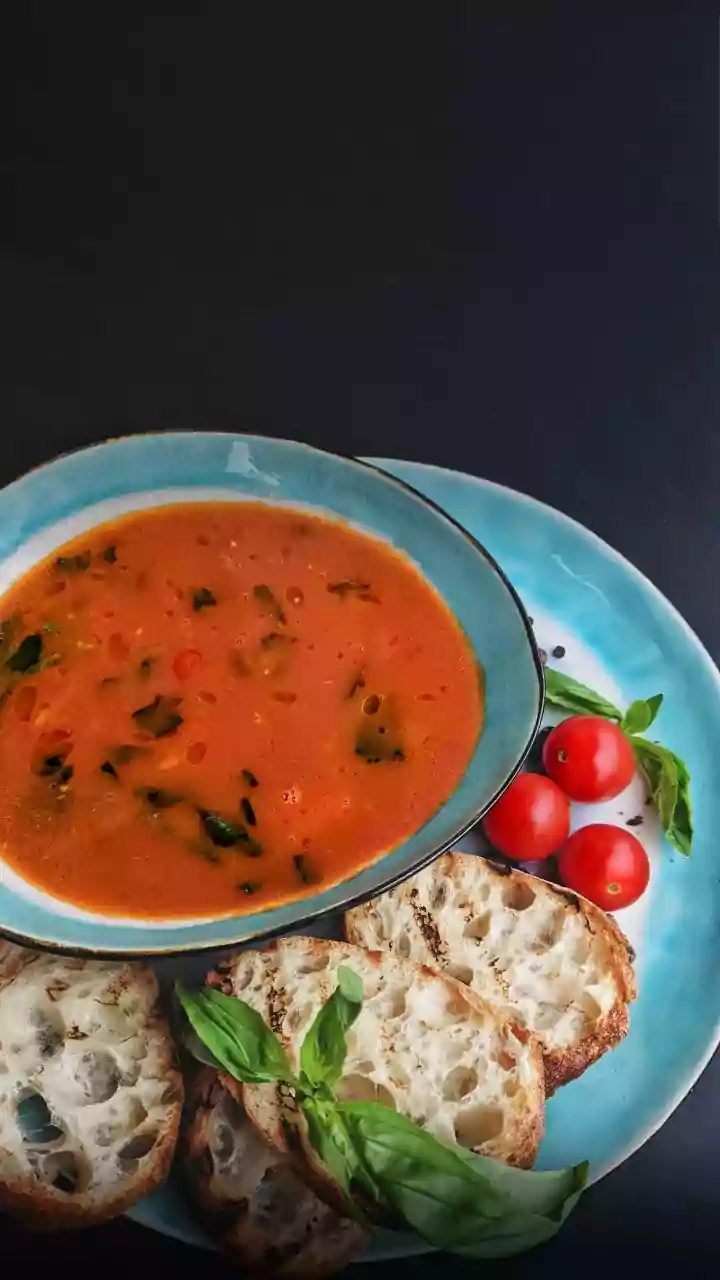
Using stale bread as a thickener is a time-honoured technique for creating thick, country-style soups that are a meal in themselves. This method adds a rustic texture and heartiness that is deeply comforting. The process is simple: chunks of stale bread are added to a simmering soup during the last 15-20 minutes of cooking. The bread breaks down, absorbing the broth and releasing its starches, which thickens the entire pot. This works beautifully in tomato-based soups, hearty vegetable soups, or bean stews. A classic example is the Italian Pappa al Pomodoro, which translates to “tomato mush,” a testament to the thick, porridge-like consistency created by dissolving bread into a simple tomato and basil base.
Recipe: Rustic Tomato and Bread Soup
This recipe is a perfect starting point for your zero-waste soup adventures. In a large pot, sauté a chopped onion, a couple of carrots, and celery stalks in olive oil until soft. Add four minced garlic cloves and cook for another minute. Pour in a large can of diced tomatoes, about four cups of vegetable or chicken broth, and some fresh herbs like thyme or rosemary. Bring to a simmer and let it cook for about 15 minutes. Now, tear about 3-4 cups of stale, crusty bread into large chunks and add them to the pot. Stir everything together, partially mashing the bread against the side of the pot. Continue to simmer until the bread has softened and the soup has thickened to your liking, about 15 more minutes. Season generously with salt and pepper. To serve, ladle the soup into bowls and finish with a drizzle of extra virgin olive oil and some fresh basil.
Beyond Soups and Dips
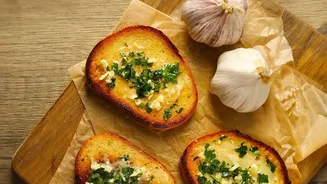
The versatility of stale bread extends far beyond these two applications. You can easily make your own croutons by tossing bread cubes with olive oil and herbs and baking until golden. Blitzing dry bread in a food processor creates breadcrumbs, perfect for coating chicken or fish, or as a crunchy topping for pasta and gratins. For a sweet treat, stale bread is the ideal base for bread pudding, as its dry texture allows it to better soak up the sweet egg custard. And of course, there's always the classic French toast, which turns out even better when made with slices that are slightly dried out.