

Why Train Schedules Are Disrupted
Train cancellations and significant delays don't happen in a vacuum. Often, they are the result of necessary operational work or unavoidable circumstances. One of the most common reasons is track maintenance and infrastructure upgrades, such as the doubling
of lines or electrification projects, which require temporarily halting services on certain routes. Severe weather is another major factor; heavy fog in winter can drastically reduce visibility for loco pilots, leading to delays and cancellations for safety, while monsoon rains can cause waterlogging or damage to tracks. Other causes include accidents, which necessitate clearing debris and repairing the line, or large-scale public events and protests that can lead to severe road congestion around major stations, prompting railways to pre-emptively cancel services to avoid stranding passengers. For example, numerous trains heading to New Delhi and Hazrat Nizamuddin were recently cancelled due to anticipated traffic disruptions from a planned protest.
Your Best Tools for Real-Time Information
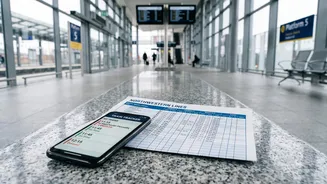
The key to managing travel disruptions is staying informed. Before you even leave for the station, it's crucial to check your train's live status. The most reliable source is the National Train Enquiry System (NTES), the official Indian Railways platform. You can access it via its website or by downloading the NTES mobile app. Using the 'Spot Your Train' feature, you can enter your five-digit train number to get its real-time location, any delays, and expected arrival times. Other features like 'Live Station' show all trains scheduled to arrive or depart from a particular station in the next few hours. You can also receive updates via SMS by sending 'SPOT' followed by your train number to 139. Passengers are consistently advised by railway officials to verify their train's status through these official channels before starting their journey.
Your Rights When a Train Is Cancelled
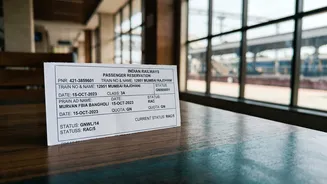
If Indian Railways cancels your train, you are entitled to a full refund of the ticket fare. The process depends on how you bought your ticket. For e-tickets booked via the IRCTC website or app, the refund is automatic. You do not need to cancel the ticket or file a Ticket Deposit Receipt (TDR). The full amount will be credited back to the original payment account, typically within three to seven working days. For tickets purchased at a physical reservation counter (PRS counters), you must surrender the ticket at a counter to claim your refund. This can be done within 72 hours (three days) of the train's scheduled departure to receive a 100% cash refund.
Claiming Refunds for Long Delays
You also have rights if your train is significantly delayed. According to railway rules, if a train is running late by more than three hours from its scheduled departure at your boarding station, you can decide not to travel and claim a full refund. This applies to confirmed, RAC, and wait-listed tickets. To claim this refund for an e-ticket, you must file a TDR online through your IRCTC account, stating the reason as 'Train delayed for more than three hours'. Crucially, this must be done before the actual departure of the train; once the train leaves, you are no longer eligible for a full refund on these grounds. For counter tickets, you can claim the refund at a reservation counter before the train's departure.
Practical Tips for a Smoother Journey
While you can't prevent cancellations, you can be better prepared. Always double-check your train’s status on NTES before heading to the station. Ensure the mobile number linked to your booking is correct to receive official SMS alerts about schedule changes. If your train is short-terminated and stops before its final destination, familiarize yourself with local metro or bus connectivity to reach your final destination. It’s also wise to carry some non-perishable food, water, and any essential medications, as unplanned delays can extend your travel time significantly. By being proactive and knowing your rights, you can minimize the stress and financial loss from unexpected railway disruptions.