



Start with the Season
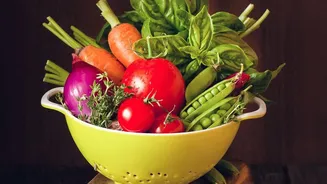
The foundation of great vegetable cooking is using what is fresh and abundant. In India, produce is broadly governed by three main seasons: summer (March-June), monsoon (July-October), and winter (November-February). Eating seasonally means you get vegetables
at their peak flavour and lowest cost. Summer brings heat-loving produce like gourds, brinjal (eggplant), and okra. The monsoon is perfect for leafy greens and other gourds, while winter offers a bounty of root vegetables like carrots and beets, alongside peas and cauliflower. Before you plan any meal, see what’s fresh at your local market. This simple step ensures you’re starting with the best possible ingredients, which require less effort to taste delicious.
The Universal Checklist Framework
Instead of a new plan for every meal, use one repeatable framework. For any vegetable you bring home, think through these five elements: The Vegetable Itself, The Cut, The Cooking Method, The Seasoning, and The Final Texture. This checklist forces you to think about how each component contributes to the final dish. A carrot, for example, can be sweet and tender when roasted in large pieces, or it can provide a crisp, fine crunch in a salad when julienned. By consciously deciding on each of these five steps, you move from simply following a recipe to designing a dish.
Mastering the Cut
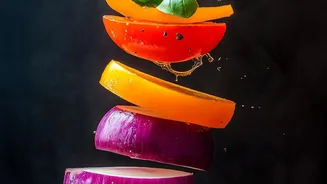
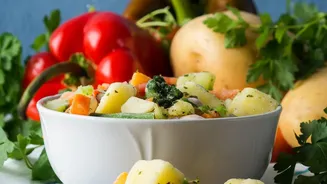
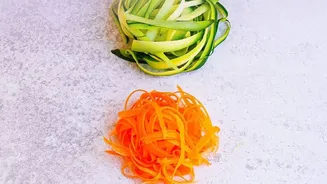
How you cut a vegetable dramatically affects its cooking time, texture, and flavour release. Uniform cuts ensure everything cooks evenly. A large, rough chop is great for rustic soups or dishes like sambar where vegetables are meant to be substantial. Dicing (small, even cubes) is perfect for quick-cooking stir-fries or a fine base for sauces. Slicing vegetables into thin rounds or coins is ideal for gratins or quick sautés. For salads and slaws, the julienne cut—thin, matchstick-like strips—provides a delicate texture. Don't underestimate this step; the right cut is the first move toward achieving your desired texture.
Choosing Your Cooking Method
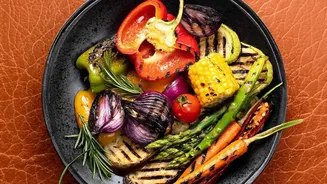
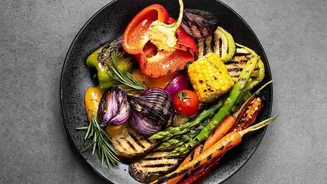
Your cooking method is your primary tool for transforming texture. Roasting in a hot oven caramelises the natural sugars in vegetables like sweet potatoes, carrots, and cauliflower, making them sweet and tender with crispy edges. Steaming is a gentler method that preserves the nutrients and crisp-tender quality of greens like beans and broccoli. Sautéing or stir-frying uses high heat for a short time, giving vegetables a slight char while keeping them crisp. Grilling imparts a smoky flavour that’s hard to replicate indoors. Consider what you want the final dish to feel like. Do you want the comforting softness of roasted pumpkin or the vibrant crunch of a stir-fried bell pepper?
Elevating with Seasoning
Seasoning is more than just a final sprinkle of salt; it’s about building layers of flavour. Season vegetables before you cook them, often by tossing them in oil and spices. This helps the seasoning adhere and penetrate the vegetable as it cooks. For Indian cooking, a classic base of turmeric, cumin, and coriander works beautifully with almost any vegetable. For a fresher profile, think about finishing a dish with bright flavours like lemon juice, fresh cilantro, or mint. Don’t be afraid to use fat to carry flavour—a bit of butter, ghee, or olive oil can make a world of difference. To create depth, consider adding an acidic element like vinegar or tomatoes near the end of cooking.
Perfecting the Final Texture
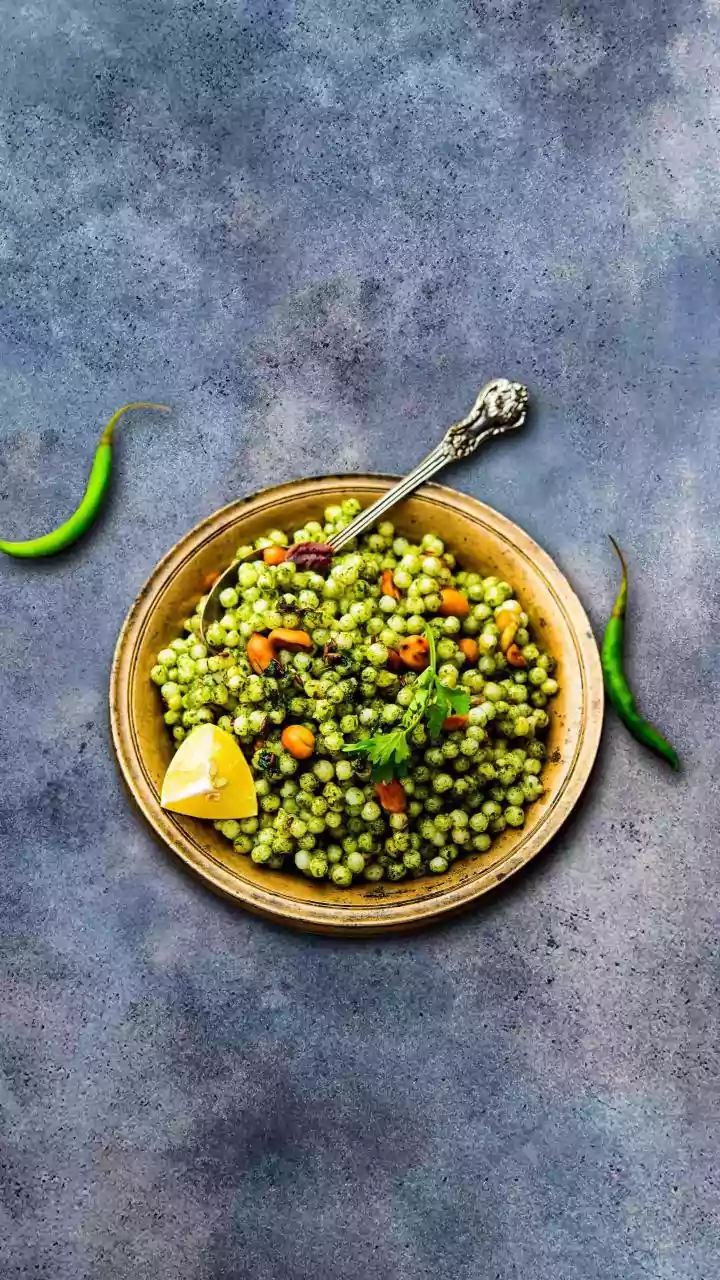
The most memorable dishes often feature a contrast of textures. Your meal might have tender roasted vegetables, but what can you add for crunch? This is the final, crucial step in the checklist. A sprinkle of toasted sesame seeds on green beans, crispy fried onions over a sabzi, or a handful of roasted peanuts in a salad can elevate the entire experience. Other options include toasted breadcrumbs, crumbled sev, or fresh, crunchy elements like thinly sliced radish or raw onion. Thinking about this final textural element is what separates a good home-cooked meal from a great one.