





The Perilous Charm of Popular Routes
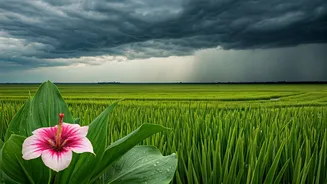
For years, the monsoon season has been synonymous with verdant getaways to the mountains and coasts. Destinations in the Himalayas and the Western Ghats, like Uttarakhand, Himachal Pradesh, Kerala, and Coorg, have been top choices for those seeking refuge
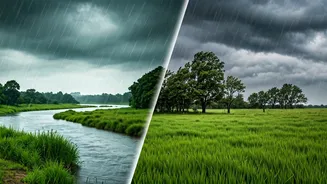
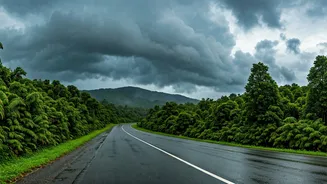
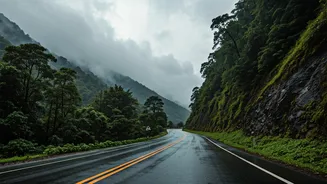
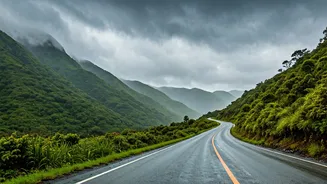
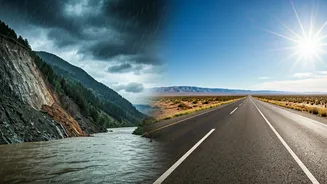
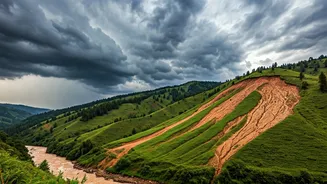
from the summer heat. However, this allure is increasingly overshadowed by significant risks. Recent weather patterns have brought intense rainfall, leading to dangerous conditions. The India Meteorological Department (IMD) has issued multiple warnings for states like Uttarakhand, citing the high risk of landslides, falling rocks, and flash floods along mountain highways. Similarly, the Western Ghats in Kerala and Karnataka are facing alerts, with popular spots like Wayanad and Coorg experiencing road blockages and landslide threats, making travel to these regions precarious. The Kalka-Shimla highway, a key artery in Himachal Pradesh, has a history of repeated disruptions during monsoon seasons, with numerous landslides causing prolonged closures.
The Rise of the Dry Corridors
In response to these dangers, a clear shift in travel preferences is underway. Tourists and travel planners are now favouring destinations that fall in rain-shadow regions or are geographically less susceptible to the monsoon's fury. These 'dry routes' offer the promise of a holiday with fewer disruptions and significantly lower risk. States like Rajasthan, and parts of Tamil Nadu, Andhra Pradesh, and the Deccan Plateau are gaining popularity. Destinations such as Jaipur, Jodhpur, and Udaipur in Rajasthan see less rainfall, allowing for sightseeing without the threat of being washed out. Similarly, the arid and semi-arid landscapes of Hampi in Karnataka, and Orchha in Madhya Pradesh, offer unique historical and cultural experiences in a much drier setting. Even Ladakh, a high-altitude desert, has become a prime monsoon getaway precisely because it is shielded from the rains that lash other parts of the country.
Why Safer Is the New Scenic
The growing appeal of these alternative routes isn't just about avoiding rain; it's about prioritising safety and reliability. A trip disrupted by a landslide or a flash flood is not just an inconvenience but a potential danger. The new 'dry' destinations offer a different kind of beauty—one of stark landscapes, rich heritage, and architectural marvels that can be enjoyed without constantly checking weather alerts. Places like the Deccan Plateau, home to the Ajanta and Ellora caves, provide a stable and accessible option. Tamil Nadu, which receives most of its rainfall later in the year, also emerges as a viable monsoon alternative. This trend reflects a more mature and pragmatic approach to travel, where the quality of the experience is defined by its safety and predictability, not just its picturesque qualities.
Your Monsoon Travel Checklist
Regardless of your destination, travelling during the monsoon requires extra preparation. Before embarking on any trip, it is crucial to check the latest IMD advisories and local news for your intended route and destination. Many government agencies now advise travellers to avoid flood-prone areas and exercise extreme caution in mountainous regions. If you are driving, ensure your vehicle is in top condition, especially the tyres and brakes. Pack a safety kit that includes a first-aid box, a torch, and emergency food and water. For trekking, it is vital to choose trails carefully. Gradual slopes and well-trodden fort trails are generally safer than steep, narrow paths prone to flash floods. Always inform someone of your itinerary and expected return time. Finally, keep your travel plans flexible; be prepared to change your route or postpone activities if weather conditions worsen.