



A Return to Regional Roots
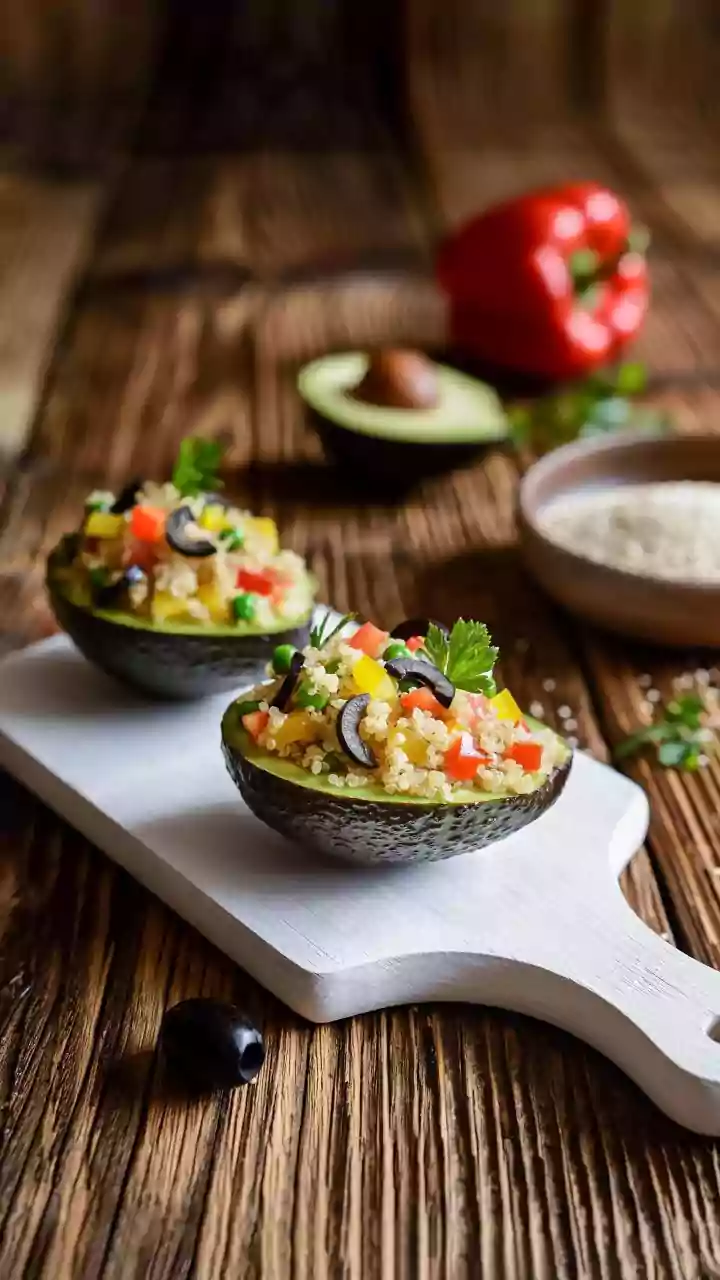
For years, ambitious Indian restaurant menus often showcased imported ingredients like quinoa and avocado, treating them as markers of premium dining. Meanwhile, countless native grains, vegetables, and spices remained confined to regional home kitchens,
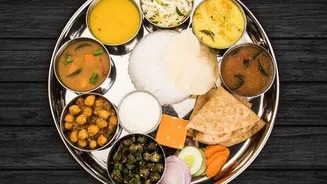
their value overlooked. That is changing. A growing movement among chefs is seeing a deliberate turn towards indigenous produce—ingredients that grandmothers have used for generations. This isn't about simple nostalgia; it's a redefinition of what 'premium' means, finding luxury in local heritage and unique, geography-specific flavours.
The Grain and Millet Renaissance
At the forefront of this revival are ancient grains and millets like ragi, jowar (sorghum), and bajra (pearl millet). Once dismissed as the food of the poor, these grains are now celebrated for their nutritional benefits, resilience to climate change, and versatility. Chefs like Anahita Dhondy and Ranveer Brar have been instrumental in this shift, creating modern recipes that transform these grains into everything from elegant desserts to contemporary takes on traditional dishes. You might now find Assam's aromatic Joha rice in a risotto or barnyard millet in sushi, proving these humble ingredients can star in sophisticated plates.
From Wild Greens to Unique Fruits
The rediscovery extends to a vast array of vegetables and fruits. Ingredients once foraged or grown in backyards are now appearing in fine-dining contexts. In Meghalaya, the crunchy tuber sohphlang is moving from home kitchens to restaurant menus. The intensely fragrant Gondhoraj lime of Bengal is being used in contemporary cooking far beyond its traditional region. Other examples include kokum, a souring agent from the western coast with a clean, berry-like acidity, and tirphal, a peppery dried berry from Maharashtra and Goa. Even the prickly pear cactus fruit is getting a glow-up, appearing in vibrant sorbets. This trend champions biodiversity and brings exciting new tastes to the table.
Why Is This Happening Now?
Several factors are driving this culinary renaissance. There is a growing consumer demand for healthier, more sustainable food choices. Many of these heirloom ingredients are naturally organic, require less water, and are packed with nutrients. Furthermore, there is a cultural pushback against the homogenisation of food. Chefs and diners alike are seeking authenticity and a connection to their roots, which these ingredients provide. By championing local produce, chefs not only create unique dishes but also support small-scale farmers and help preserve agricultural heritage. It's a movement that's about more than just what's on the plate; it's about identity, sustainability, and celebrating the true diversity of Indian cuisine.