


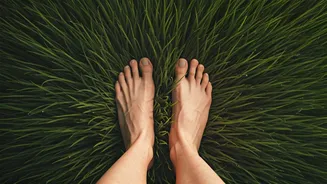


The Science of Barefoot Movement
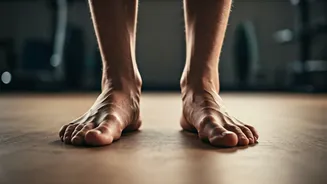
For thousands of years, humans walked, ran, and worked without cushioned soles. Our feet are complex structures, containing nearly a quarter of all the bones in our body, plus a dense network of muscles, ligaments, and nerves. This intricate design is meant
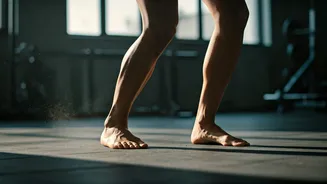
to feel the ground, adapt to terrain, and provide constant feedback to the brain. This feedback loop is called proprioception—your body's innate sense of its position in space. Modern footwear, while protective, can act like a buffer, dulling this sense. It can weaken the small intrinsic muscles in our feet, leading to instability that travels up the kinetic chain, affecting our ankles, knees, and hips. Going barefoot, even for short periods, reawakens these neurological pathways and strengthens the foot's natural architecture.
Why Grass Is Your Best Gym
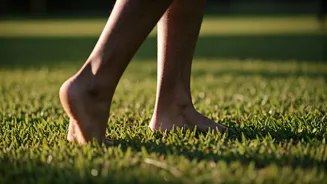
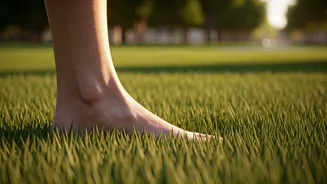
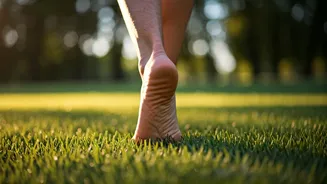
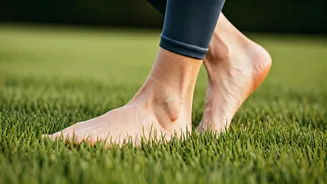
While walking barefoot indoors is a good start, taking it to the grass provides unique benefits. A soft, natural lawn offers a surface that is both forgiving and variable. Unlike a perfectly flat floor, the subtle lumps and dips in the earth challenge your stabiliser muscles in a gentle, low-impact way. Each step requires micro-adjustments in your ankles and hips to maintain balance, effectively turning a simple walk into a functional stability workout. This constant, dynamic engagement helps improve joint mobility and resilience without the high impact of running on pavement. The cool, soft texture is also a rich sensory experience, which can be a meditative practice in itself, helping to reduce stress while you move.
Starting Your Drill Safely
Before you kick off your shoes, safety comes first. Always scan the area for sharp objects like rocks, twigs, glass, or pesticides. A well-maintained personal lawn or a familiar, clean park is your best bet. If you're new to barefoot movement, start slow. Your feet and lower leg muscles will be working in new ways, so begin with just 5-10 minutes and gradually increase the duration as you feel more comfortable. Pay attention to your body. If you feel any sharp pain (different from the mild sensation of working new muscles), stop. It's about gentle re-acclimation, not pushing through discomfort.
Three Dynamic Mobility Drills
Once you're comfortable, incorporate these dynamic drills to maximise the benefits for your joints.
1. The Grass Gripper Walk: As you walk slowly, consciously focus on your feet. With each step, land gently on your heel, roll through the midfoot, and as you push off, try to spread your toes and gently “grip” the grass. This simple action activates the small muscles that support your arch and improves foot strength.
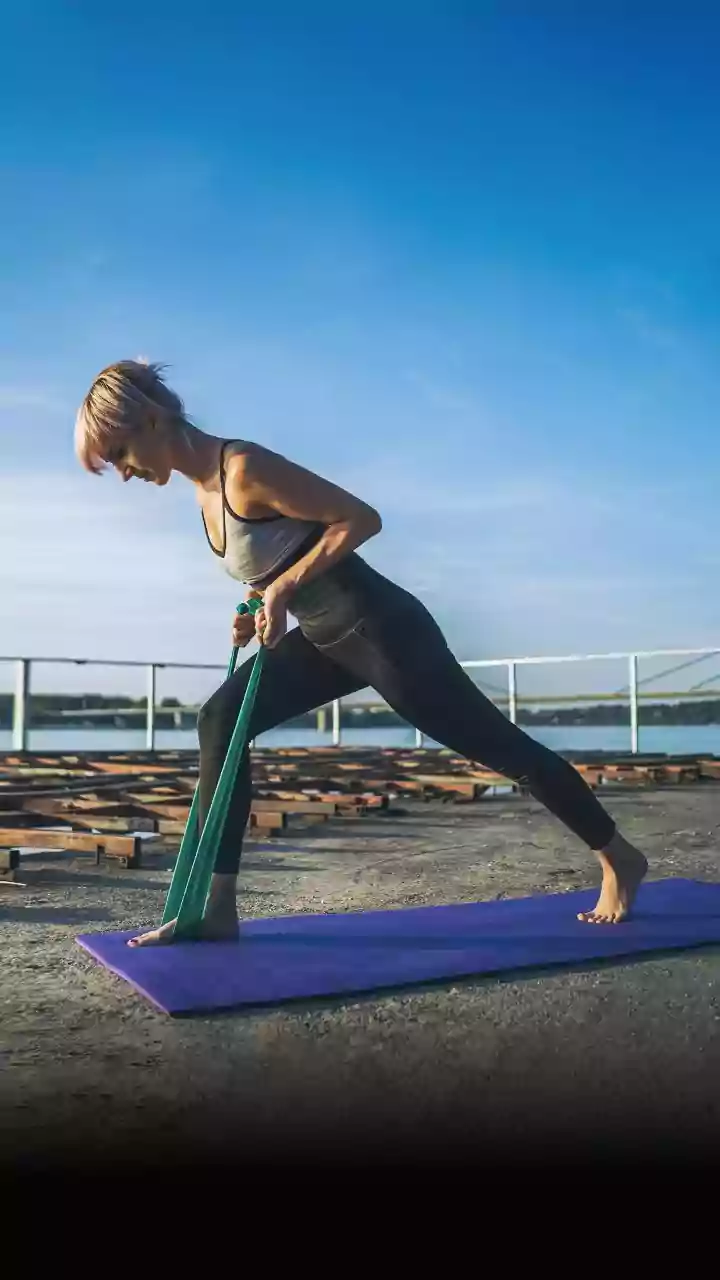
2. Walking Lunges with a Twist: Step forward into a lunge, ensuring your front knee stays behind your toes. As you lower down, gently rotate your torso toward your front leg. This move combines hip and ankle stability (from the lunge on an uneven surface) with thoracic spine mobility (from the twist). Perform 5-8 lunges on each leg.
3. Ankle Box Drill: Standing on one leg for balance, lift your other foot slightly off the ground. Trace a square or box shape in the air with your toes. Move slowly, focusing on isolating the movement to your ankle. Go clockwise for four boxes, then counter-clockwise for four. This improves the ankle's range of motion, which is crucial for healthy knee and hip function. Switch legs and repeat.
Making It a Lasting Habit
Consistency is more important than intensity. Try incorporating these barefoot drills into your routine two to three times a week. You can use them as a mindful warm-up before a walk or run, a gentle cool-down after a workout, or as a standalone 10-minute session to break up a day of sitting. Think of it less as a strenuous workout and more as a practice of reconnection—with the earth, with your body's natural mechanics, and with a more mobile, resilient version of yourself. Over time, you'll likely notice improved balance, less stiffness, and a stronger sense of being grounded, both literally and figuratively.