




The New Travel Mindset: Spontaneity Over Schedules
For many young professionals and students in India, the idea of waiting an entire year for a two-week, pre-planned holiday feels outdated. Instead, they are embracing a more dynamic approach to seeing the world. This shift is driven by a desire for travel
to fit into their lives, not the other way around. A recent Airbnb report highlighted this change, noting that seven in ten young Indian travellers would rather take three short trips than one long annual holiday. This generation, dubbed the "Anti-Itinerary Generation," often books trips within days or weeks of departure, treating travel as a reflexive response to a long weekend or a need to de-stress rather than a rigid, scheduled event. This preference for spontaneity means detailed plans are out, and unique, personal experiences are in, with many intentionally leaving schedules open to explore freely.
What's Driving the Change? Work, Wellness, and Wanderlust
Several powerful forces are fuelling this move towards flexibility. The widespread adoption of remote and hybrid work models is arguably the biggest catalyst. The ability to work from anywhere has blurred the lines between the office and the world, giving rise to trends like 'workations' and 'bleisure' (blending business and leisure). Indian professionals are global leaders in this space, with 77% of business travellers in the Asia-Pacific region extending their work trips for leisure, a rate far higher than the regional average. This is not just about convenience; it’s a strategic lifestyle choice. Young workers increasingly see the ability to combine work and travel as a key factor in their employment, viewing it as essential for mental well-being and avoiding burnout. The desire for experiences over possessions also plays a crucial role, with travel seen as an act of self-expression.
From Workations to Microcations: What Flexible Travel Looks Like
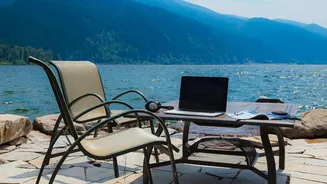
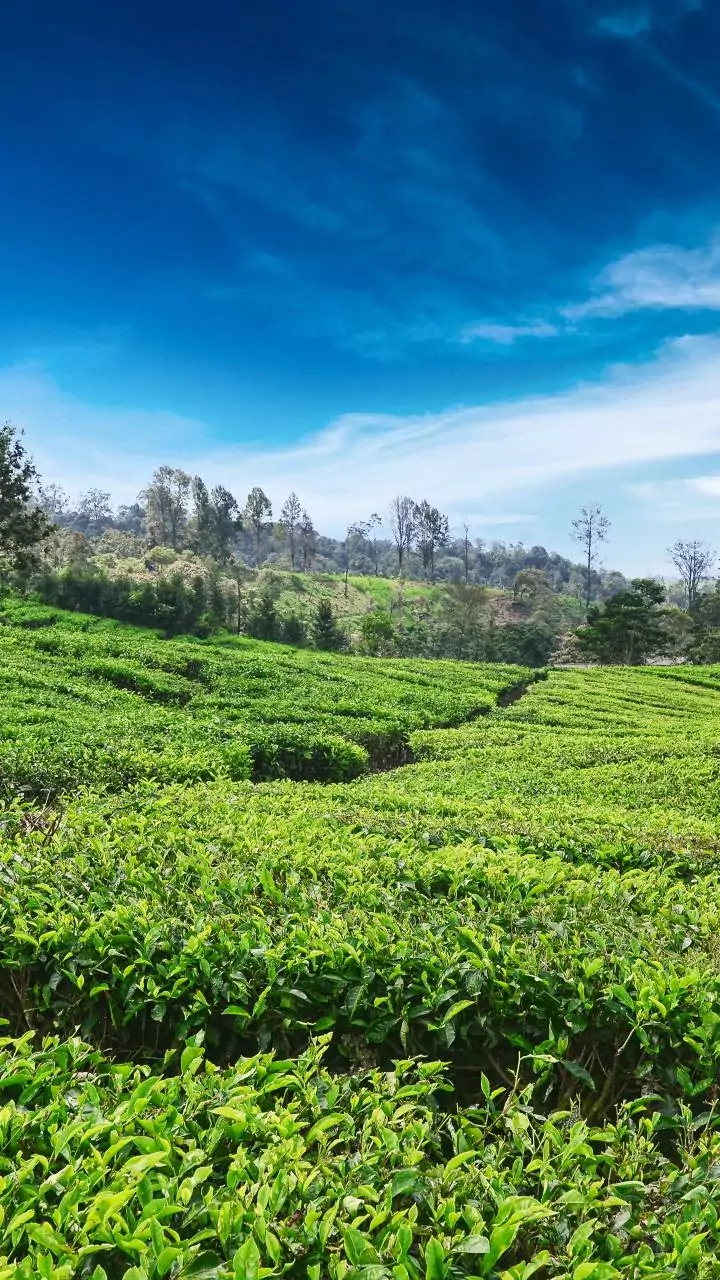
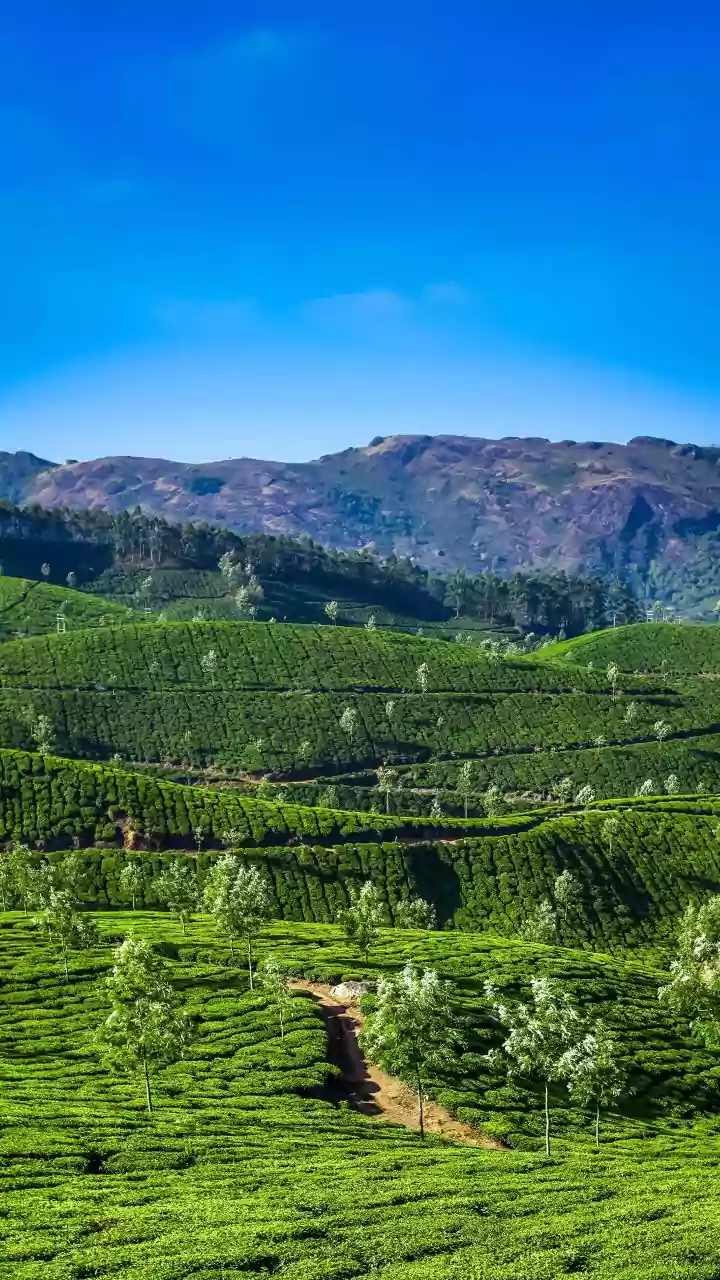
So, what does this new flexibility look like in practice? It takes many forms. The 'workation' is a major trend, where individuals relocate to scenic destinations like Goa or the hills of Uttarakhand for weeks at a time, combining their workdays with exploration. This has led to a boom in destinations offering reliable Wi-Fi alongside serene views. Another popular format is the 'bleisure' trip, where a business trip to a city like Bengaluru or Mumbai is extended by a few personal days to explore a nearby getaway like Coorg or Alibaug. Then there are 'microcations'—short, purposeful trips of one to three nights, often planned at the last minute to attend a festival, visit family, or simply escape the city. These frequent, shorter trips are becoming the norm, with studies showing that 87% of Indian Gen Z travellers prefer trips that last under a week.
The 'Stay' is the New Destination
Interestingly, for this generation, the destination is often secondary to the accommodation itself. A unique stay—be it a boutique cottage, a shared home with friends, or a design-led property—can be the primary motivator for a trip. According to one report, nearly two-thirds of young travellers have chosen a destination specifically because of a stay they discovered. This reflects a deeper desire for travel to feel personal and curated, moving away from checklist tourism. Instead of focusing on famous landmarks, many prioritise small, authentic moments, like visiting a local market or simply having a slow day with no agenda. In fact, two in three Gen Z travellers admit they go on trips with the explicit intention of doing nothing at all, using the time to rest and recharge.