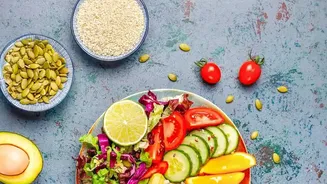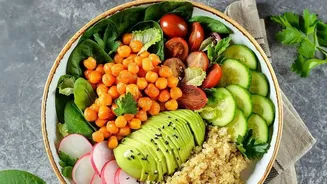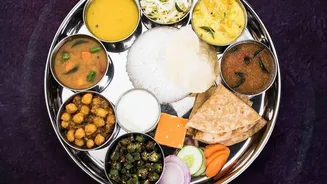



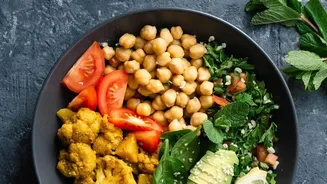
Prioritise Protein for Lasting Energy
Many traditional fasting foods are heavy on carbohydrates, which can lead to energy spikes and crashes. Prioritising protein is essential to stay full, maintain muscle mass, and ensure steady energy levels throughout the day. Excellent vrat-friendly protein sources
include paneer (cottage cheese), which is versatile enough for curries and tikkas. Nuts like almonds and walnuts, along with seeds, are not only rich in protein but also provide healthy fats. Pseudo-grains such as amaranth (rajgira) and buckwheat (kuttu) are also powerhouses of protein and can be used to make rotis, parathas, or porridge. Yoghurt and milk products like buttermilk are also great for adding a protein boost to your meals.
Fill Up on Fibre-Rich Foods
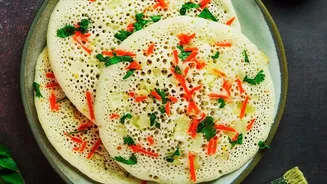
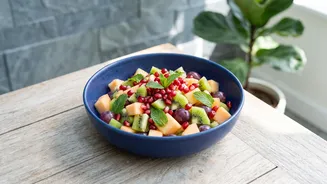
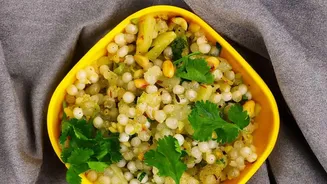
Fibre is crucial during fasting as it aids digestion, prevents bloating, and promotes a feeling of fullness, which can help manage hunger pangs. Many Navratri-approved foods are naturally high in fibre. Sweet potatoes, for instance, are packed with fibre and complex carbohydrates that provide sustained energy. Vegetables like pumpkin (kaddu) and bottle gourd (lauki) are hydrating, easy to digest, and rich in fibre. Fruits are a fasting staple for a reason; apples, papayas, and pomegranates offer natural sugars for energy along with essential fibre. Grains like barnyard millet (samak rice) and water chestnut flour (singhara atta) are also good sources of dietary fibre that can be used to make khichdi, dosas, or rotis. Fox nuts (makhana) are another fantastic high-fibre snack option.
Hydration is More Than Just Water
Staying properly hydrated is non-negotiable during a fast, as it prevents fatigue, headaches, and sluggishness. While drinking 8-10 glasses of water is a great start, you can and should supplement it with other hydrating fluids. Coconut water is one of the best choices, as it naturally replenishes electrolytes and provides essential nutrients. Freshly made buttermilk (chaas) is another excellent option that not only hydrates but also aids digestion and cools the body. You can also sip on herbal teas made with ingredients like mint, ginger, or tulsi throughout the day. Fresh fruit juices (without added sugar) and milkshakes can also contribute to your fluid intake.
Smart Meal-Planning Strategies
How you structure your meals is as important as what you eat. Instead of having one or two large meals, aim for smaller, more frequent meals throughout the day to keep your metabolism active and your energy levels stable. Combining food groups strategically can make a big difference. For example, pair a carbohydrate like sweet potato with a protein like paneer to ensure slower digestion and prevent blood sugar spikes. Opt for healthier cooking methods like baking, roasting, or steaming instead of deep-frying to keep meals light and easy to digest. A handful of roasted makhana or nuts makes for a perfect mid-day snack, keeping you satiated between main meals.