

Tulsi: The Sacred Health Guardian
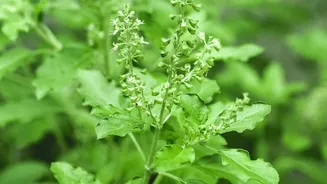
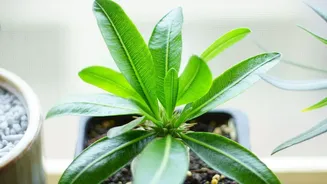
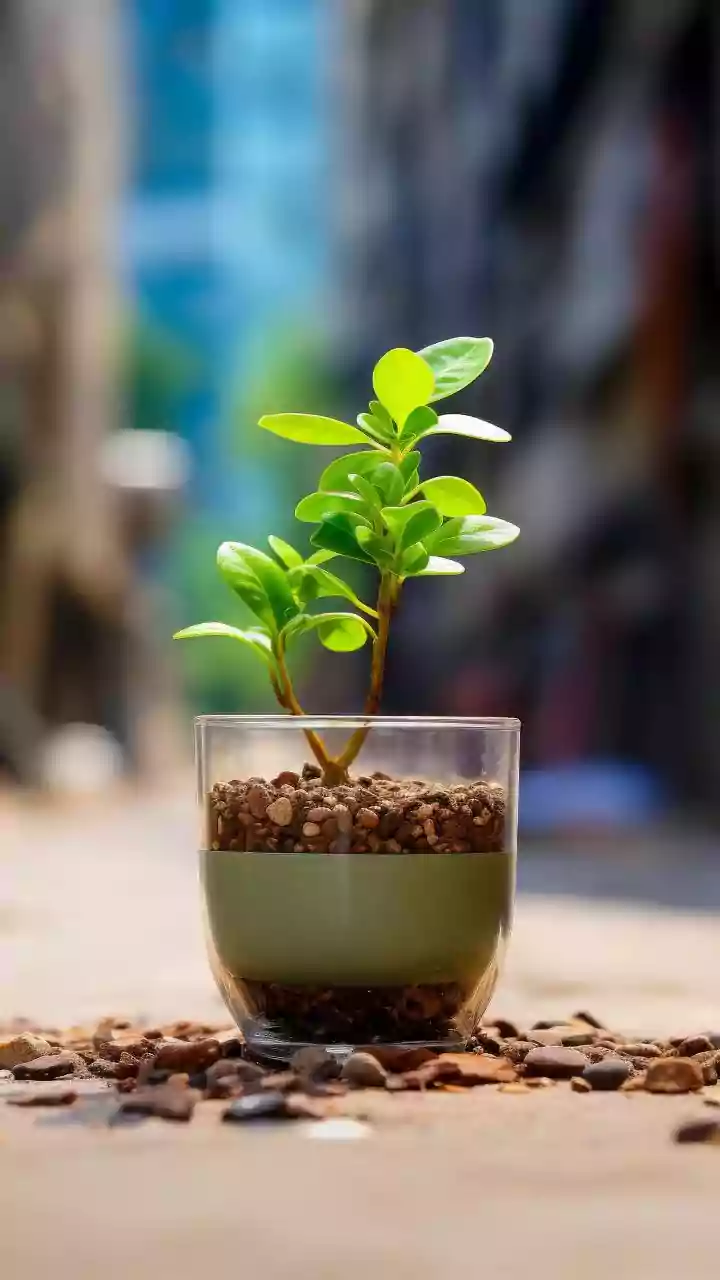
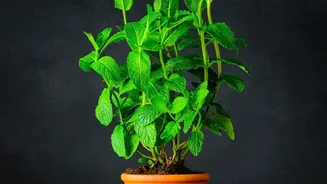
No Indian home feels quite complete without the presence of Tulsi (Holy Basil). Revered as a sacred plant, it's considered a symbol of purity and auspiciousness. But beyond its spiritual significance, Tulsi is a powerhouse of wellness, making it an invaluable
addition to your indoor winter garden. Known in Ayurveda as the 'Queen of Herbs', Tulsi is a natural adaptogen, which means it helps the body cope with stress and anxiety—a welcome benefit during the busy festive season. Its leaves are rich in antioxidants and essential oils that help boost immunity, making it a go-to remedy for common colds and coughs. A few fresh leaves chewed in the morning or brewed into a warm, soothing tea can support respiratory health and promote a sense of calm. Furthermore, Tulsi acts as a natural air purifier, absorbing toxins and releasing oxygen, creating a healthier indoor environment.
Mint: The Refreshing Flavour Booster
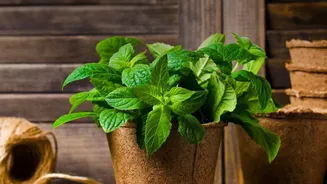
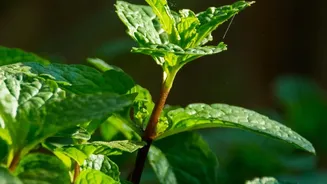
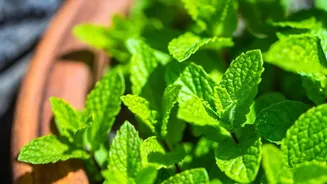
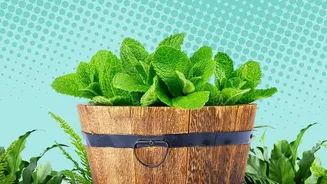
Mint, or Pudina, is one of the most forgiving and rewarding herbs to grow indoors. Its invigorating aroma can instantly freshen up your kitchen, and its culinary uses are endless. From zesty chutneys and cooling raitas to refreshing teas and cocktails, a steady supply of fresh mint is a true luxury. Growing mint on a windowsill is incredibly simple; it thrives in pots and can even be propagated from a few stems placed in a glass of water. Unlike some sun-hungry herbs, mint is quite tolerant of partial shade, making it well-suited for apartment windowsills that may not get direct sun all day. Regular harvesting encourages the plant to become bushier, ensuring you have a continuous supply of fragrant leaves to add a burst of freshness to your meals and beverages throughout the winter. Its vigorous nature, which can be a problem in an outdoor garden, becomes an advantage in a contained pot.
Coriander: The Essential Culinary Herb
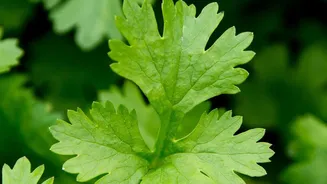
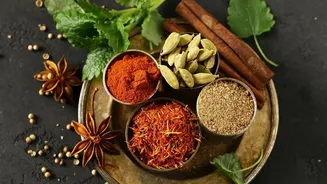
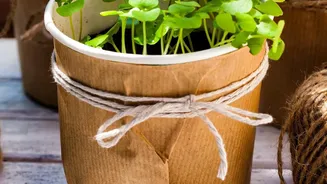
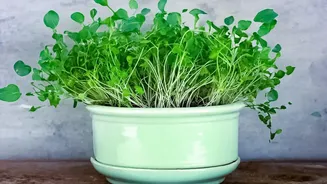
For anyone who cooks Indian food, fresh coriander, or Dhania, is non-negotiable. It’s the finishing touch on everything from dal and sabzi to curries and chaat. The frustration of finding your coriander has wilted in the fridge is a feeling many of us know well. Growing your own in a pot on the windowsill provides a simple and sustainable solution. Coriander can be grown easily from the whole seeds found in your kitchen spice box. Simply split the seeds gently, sow them in a pot with well-draining soil, and place it in a spot that receives a few hours of sun. In just a few weeks, you'll have tender leaves ready for harvesting. The key is to snip the outer leaves first, allowing the inner ones to continue growing for a longer-lasting supply. Having fresh, pungent dhania at your fingertips elevates everyday cooking from good to great.
Your Windowsill Garden Success Guide
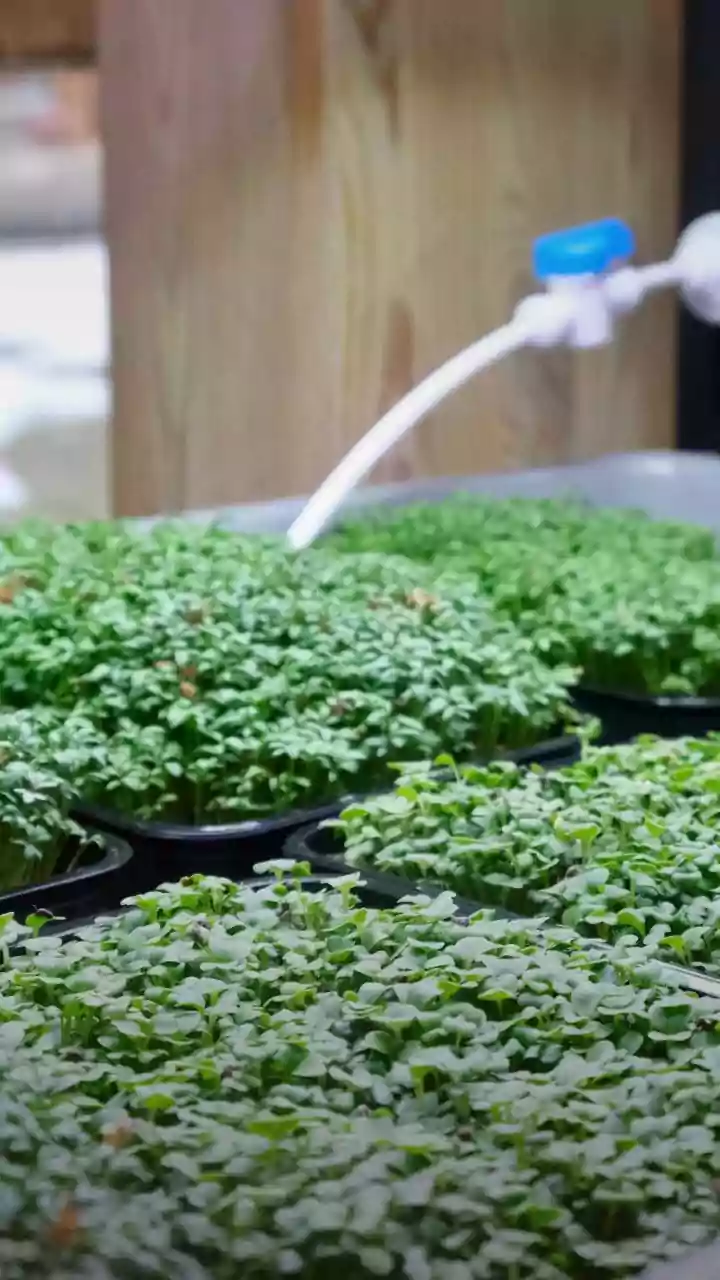
To ensure your winter herb garden thrives, a few basic principles apply. First, choose pots with good drainage holes to prevent waterlogging, which can lead to root rot. While these herbs need light, the winter sun can be weak. A south-facing window is ideal, but an east-facing one can also work. If light is very limited, you can rotate the pots every few days to ensure even growth. Winter care also means adjusting your watering schedule. Indoor air can be dry, but plants grow slower in cooler months and need less water. Check the soil by sticking your finger an inch deep; if it feels dry, it's time to water. Finally, keep an eye out for pests and gently wipe the leaves with a damp cloth if you notice any dust or insects. With a little attention, your windowsill will be a source of green goodness all season.