



The Tale of Two Grains
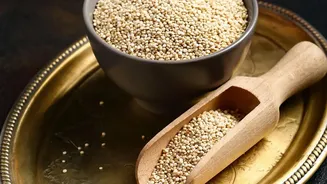
Before they are puffed, quinoa and rice start as very different ingredients. Quinoa is technically a seed, not a grain, and is celebrated for being one of the few plant-based foods that is a complete protein. This means it contains all nine essential
amino acids your body needs. It's also naturally rich in fiber, iron, and magnesium. Rice, on the other hand, is a true cereal grain and a global staple. The white rice typically used to make puffed rice is a refined carbohydrate, meaning the bran and germ have been removed. This results in a product that is lower in protein, fiber, and micronutrients compared to quinoa.
The Nutritional Showdown: Puffs vs. Puffs
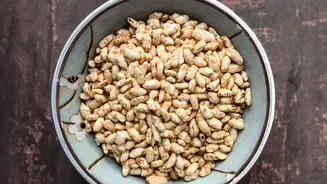
When comparing the puffed versions, the core nutritional differences between the two source ingredients remain. Puffed quinoa is a clear winner in terms of protein and fiber. A serving of quinoa puffs offers significantly more protein (around 4 grams per 28g serving) than puffed rice, which typically has only about 1 gram. This higher protein and fiber content in quinoa puffs helps you feel fuller for longer, making it a more satiating snack. Puffed rice, being mostly simple carbohydrates, is lower in calories but offers little in the way of sustained energy or nutrients. While the puffing process can slightly alter the nutritional profile by making starches more digestible, quinoa retains its superior protein and mineral content.
Impact on Blood Sugar
The way these snacks affect your blood sugar is another crucial point of difference. Because puffed rice is primarily refined starch with very little fiber to slow down digestion, it has a high glycemic index (GI). This means it can cause a rapid spike in blood sugar, followed by a potential crash. Cooked quinoa naturally has a lower glycemic index than white rice, and this benefit carries over to its puffed form. The combination of protein and fiber in quinoa puffs helps to moderate the release of sugar into the bloodstream, providing more stable and sustained energy.
The Gluten-Free Question
Both quinoa and rice are naturally gluten-free, making their puffed versions seem like a safe bet for those with celiac disease or gluten sensitivity. However, the real issue lies in cross-contamination. During harvesting, transporting, and processing, these naturally gluten-free grains can come into contact with wheat, barley, or rye. Studies have shown that grains and flours not explicitly labeled 'gluten-free' can contain significant levels of gluten. For individuals who need to strictly avoid gluten for medical reasons, it is essential to look for products that are certified gluten-free. This certification ensures that the product has been tested and meets stringent standards for gluten content, typically below 20 parts per million (ppm).
Taste, Texture, and How to Use Them
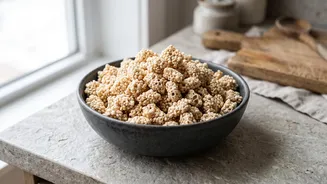
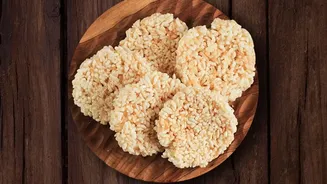
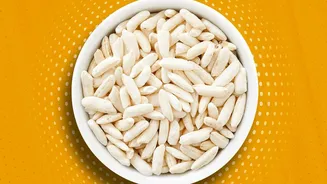
Beyond nutrition, there are differences in taste and texture. Puffed rice is very light, airy, and has a neutral flavor, which makes it a versatile base that easily absorbs the taste of other ingredients. It's often used in classic crispy rice treats and commercial breakfast cereals. Puffed quinoa is slightly denser and offers a more distinct, nutty, and earthy flavor. It also tends to hold its crunch better, especially in liquids like milk. Puffed quinoa works wonderfully as a topping for yogurt, smoothie bowls, and salads, or as an ingredient in homemade granola and energy bars.