






The Billion-Dollar Problem of Old Code
Legacy code is the software that runs critical systems but was written years, or even decades, ago in outdated programming languages like COBOL or Fortran. While it may still function, it's often poorly documented, incredibly complex, and understood by
a shrinking pool of veteran developers nearing retirement. For a business, this isn't just a technical headache; it's a massive liability. This aging code acts as an anchor, preventing companies from launching new digital services, integrating modern security protocols, or adapting to market changes. Any attempt to change or update it is fraught with risk, as a single mistake could bring down an entire system, costing millions in downtime and lost revenue.
Enter AI: The Modern Code Whisperer
For years, the solution was a painful manual rewrite—a multi-year, multi-million dollar project that often failed. Today, a new generation of AI-powered tools is offering a different path. These tools act as expert archaeologists for software. They don't just write new code; their primary strength is in *reading* and *understanding* old, convoluted codebases. The headline’s use of “decrypt” is a fitting metaphor: these AI systems are designed to make sense of programming languages and logic that are indecipherable to most modern developers. They are transforming the daunting task of modernisation from a near-impossible challenge into a structured, manageable process.
How AI Navigates the Code Labyrinth
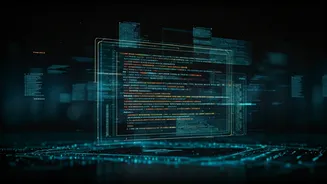
So how does it work? These AI tools perform several key functions. First is analysis and documentation. An AI can scan millions of lines of code in hours, automatically generating flowcharts, identifying dependencies between different software modules, and creating human-readable documentation where none existed. This alone is a game-changer. Second is automated translation. The holy grail of modernisation, these tools can assist in converting code from an obsolete language like COBOL into a modern one like Java or Python. They identify reusable business logic and translate it, dramatically cutting down on manual rewriting. Finally, they help with refactoring—suggesting ways to clean up, simplify, and optimise the newly translated code to make it more efficient and easier to maintain in the future.
A Strategic Advantage for Indian IT
This technological shift holds immense significance for India's formidable IT services industry. Companies like TCS, Infosys, and Wipro have built global businesses managing and maintaining complex legacy systems for Fortune 500 clients. By integrating AI into their workflows, they can now offer modernisation services at a speed and cost that was previously unimaginable. This isn't a threat to their business model; it's a powerful enhancement. Instead of just keeping the old systems running, they can now lead their clients through digital transformation, unlocking new revenue streams and cementing their role as strategic partners rather than just maintenance vendors. It's a massive competitive advantage on the global stage.
Why 'Effortless' Isn't the Whole Story
While the impact is revolutionary, the word “effortlessly” in the headline deserves a reality check. These AI tools are not magic wands. They are powerful 'copilots' that augment the skills of human developers, not replace them. The process still requires significant human oversight, testing, and strategic decision-making. The AI might translate 90% of the code correctly, but an experienced engineer is needed to handle the complex edge cases, validate the business logic, and ensure the final product is robust and secure. The real value is in acceleration: a project that might have taken a team of 50 developers three years can now potentially be done by a smaller team in under a year. The effort is reduced, not eliminated.