

The Agumbe Ghat Road Viewpoint
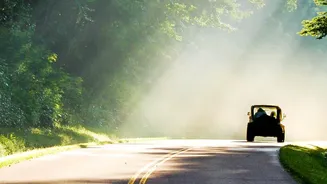
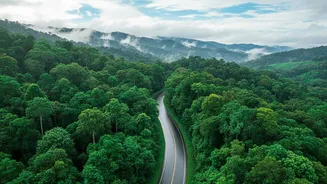
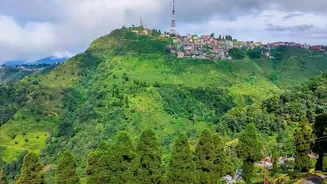
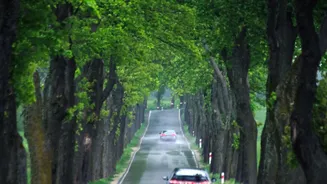
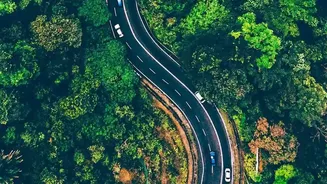
Before you even reach Agumbe town, the journey itself offers one of the most iconic photo opportunities. The Agumbe Ghat features 14 hairpin bends that snake through dense forest. Pull over at the designated Sunset Viewpoint, one of the highest peaks
in the Western Ghats. On a clear day, the panoramic view stretches for miles, with the sun dipping below the layers of hills. Post-monsoon, you're likely to see a sea of mist filling the valleys below, creating a surreal, dreamlike landscape. Photo Tip: Use a wide-angle lens to capture the vastness of the valley. Arrive about an hour before sunset to watch the colours change across the sky and the mist roll in.
Kundadri Hills for Sunrise
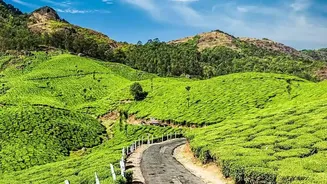
For an unforgettable morning, take a short detour to Kundadri Hills. A well-paved road leads almost to the top, where a historic Jain temple sits perched on a massive rock formation. The main draw for photographers is the phenomenal sunrise. Arrive before dawn to witness a blanket of clouds covering the landscape below, with the rising sun painting the sky in brilliant hues. It's a serene and spiritual spot that offers 360-degree views of the surrounding paddy fields and forests. Photo Tip: This is the perfect location for time-lapse photography. The interplay of light, mist, and clouds is constantly changing. The best time to visit for clear skies is from October to February.
Jogigundi Falls
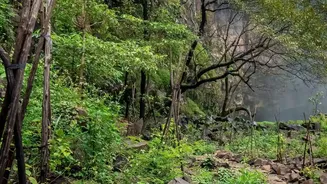
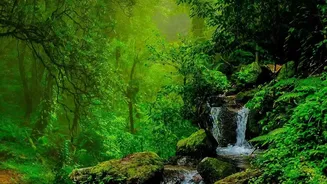
Not all waterfalls require a strenuous trek. Jogigundi Falls is an easily accessible spot, located just a few kilometres from Agumbe town. A short walk of about one kilometre through the forest leads you to a unique waterfall that emerges from a cave-like opening in the rocks. The water cascades into a tranquil pool surrounded by lush greenery. It's an intimate and peaceful setting, perfect for capturing the raw beauty of the rainforest. The best time to visit is during or just after the monsoon (July to November) when the water flow is at its peak. Photo Tip: Use a circular polariser to reduce glare on the water and wet rocks, which will help saturate the deep greens of the surrounding foliage. A slow shutter speed will create a beautiful, milky effect on the falling water.
Barkana Falls Viewpoint
As one of India's tallest waterfalls, Barkana Falls is a majestic sight. While trekking to the base is a challenging, multi-hour affair requiring permits, the Barkana Viewpoint offers a spectacular and much more accessible alternative. A short drive and walk from the same road that leads to Jogigundi Falls will bring you to this viewpoint. On a clear day, you can see the massive waterfall plunging over 850 feet down a sheer cliff face, appearing like a silver ribbon against the dense forest. Photo Tip: Patience is key here, as the view is often covered by mist. A telephoto lens is essential to zoom in and capture the details of the distant falls. The best views are typically post-monsoon, from September to February.
Onake Abbi Falls for the Adventurous
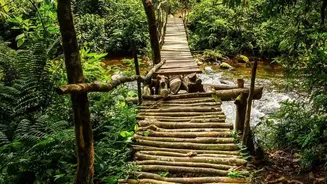
If you're up for a challenge, the trek to Onake Abbi Falls is incredibly rewarding. This is a more strenuous journey, involving a 4-5 km trek one-way through the dense Someshwara Wildlife Sanctuary. You'll need to obtain a permit and likely hire a guide. The trail itself is a photo opportunity, winding through a pristine ecosystem. The payoff is a stunning, multi-tiered waterfall that cascades powerfully into a clear pool at the base, especially during the monsoon season. Photo Tip: Pack light but bring essentials. A tripod might be cumbersome, so practice shooting in low light with a higher ISO. Protect your gear with a rain cover and watch out for leeches, especially during wetter months.
The Macro World of the Rainforest
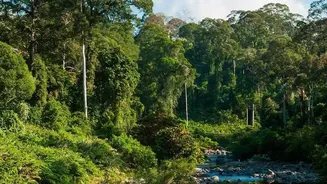
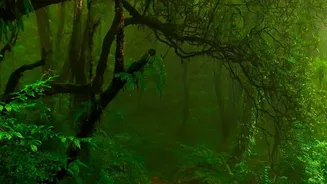
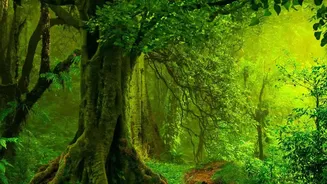
Don't just look at the grand landscapes; the magic of Agumbe is also in its miniature worlds. The rainforest floor and foliage are teeming with life. Look for colourful fungi, unique insects, camouflaged frogs, and the intricate patterns of moss on tree trunks. During the monsoon, the forest comes alive with herpetofauna. Taking the time for a guided night walk can reveal species you'd never see during the day. Photo Tip: A dedicated macro lens is essential for capturing these tiny subjects. An external flash with a diffuser will help illuminate your subject without creating harsh shadows, which is crucial in the dim light of the forest undergrowth.