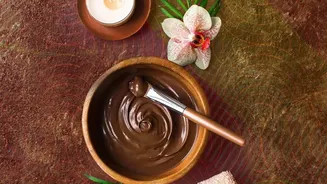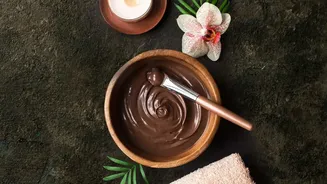







The idea of slathering your face with a decadent chocolate mask sounds like the ultimate self-care treat. But before you raid the pantry, it's worth asking: is this popular DIY trend actually good for your skin, or is it just a sweet mistake?
The Science-Backed Benefit: It's All About Cocoa
The theory
behind chocolate masks isn't entirely unfounded, but the magic lies in one specific ingredient: cocoa. Unprocessed, pure cocoa (or cacao) is a powerhouse of antioxidants called flavonoids. These compounds are skincare heroes, known for their ability to fight free radicals—unstable molecules that can damage skin cells and accelerate aging. Studies show that the flavonoids in cocoa can help protect the skin from UV damage, improve circulation, and boost hydration, which contributes to better skin elasticity and texture. In fact, research has found that cocoa contains more antioxidant properties than even green tea. So, when we talk about the benefits of a 'chocolate' mask, we're really talking about the scientifically supported benefits of pure, unadulterated cocoa powder.
The Myth: Any Chocolate Bar Will Do
Here's where the DIY trend goes wrong. Grabbing a standard chocolate bar from your kitchen is not the same as using pure cocoa. Most commercial chocolate is loaded with ingredients your face doesn't need, primarily sugar and milk. When applied topically, sugar can be a harsh physical exfoliant. The jagged edges of sugar crystals can create micro-tears in the delicate skin of your face, leading to irritation, redness, and a damaged skin barrier. Furthermore, other additives and dairy products found in many chocolates can potentially clog pores and trigger breakouts, especially for those with acne-prone or sensitive skin. You might be aiming for a healthy glow, but a candy bar mask is more likely to cause inflammation and irritation.
The Dermatologist's View on DIY Skincare
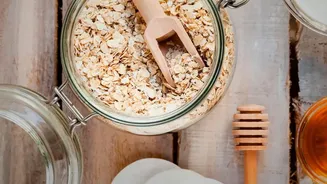
Most dermatologists advise caution when it comes to any DIY skincare concoction. The primary issue is a lack of control and formulation expertise. Kitchen ingredients are not designed or tested for facial application. Their pH levels can be unsuitable for the skin's natural balance, and their particle sizes can be too abrasive. Experts warn that 'natural' does not automatically mean safe; after all, poison ivy is natural, too. Using untested ingredients from your pantry can lead to allergic reactions, chemical burns, or worsening skin conditions like acne. While some simple home remedies like oatmeal or honey masks can be gentle, the risks often outweigh the benefits when you start experimenting with more complex food items.
Risks of Clogged Pores and Irritation
Beyond the issues with sugar and additives, the base of many DIY chocolate masks can also be problematic. Recipes often call for mixing cocoa powder with ingredients like yogurt, cream, or oils. While these might seem moisturizing, they can be comedogenic, meaning they can clog pores and lead to blackheads and pimples. This is especially risky for those with oily or combination skin. Furthermore, without proper sterilization, homemade mixtures can introduce bacteria to your face, potentially causing infections. An allergic reaction is another significant risk. Even if you don't have sensitive skin, ingredients in a DIY mask could trigger contact dermatitis, leaving you with redness and itchiness. This is why experts always recommend patch testing any new product or ingredient on a small area of skin first.
Safer Ways to Get Chocolate's Glow
If you want to harness the antioxidant power of cocoa for your skin, there are much safer and more effective ways to do it. The first is to look for professionally formulated skincare products that contain cocoa or cacao extract. These products have been created by cosmetic chemists to be stable, safe for the skin's pH, and formulated to ensure the beneficial compounds can actually be absorbed. The second method is even more enjoyable: eat it. Consuming high quality dark chocolate (with a high percentage of cacao) allows your body to utilize those skin protecting flavonoids from the inside out. Studies have shown that ingesting cocoa can have a positive effect on skin elasticity and protect against photo aging.