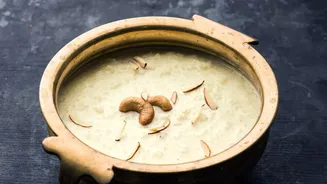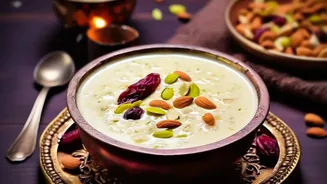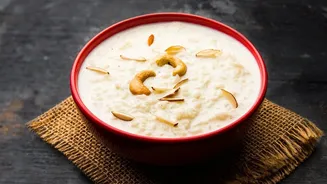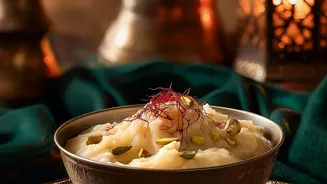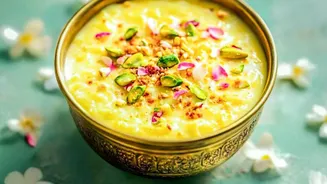




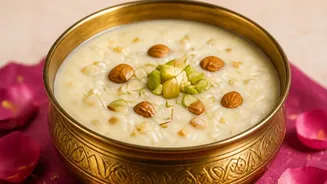
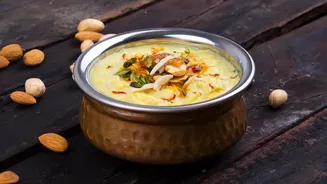
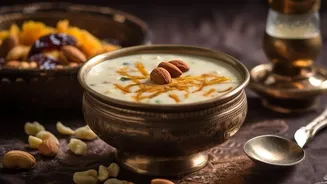
As the air turns cooler, India’s dessert landscape shifts. The rich, heavy sweets of peak festivities make way for something more nuanced. Enter Sitaphal Phirni, a dessert that perfectly captures the essence of a season in every spoonful.
The Classic Comfort of Phirni
Before we add
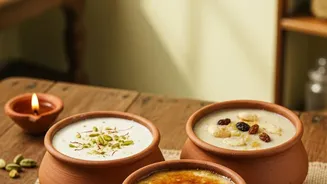
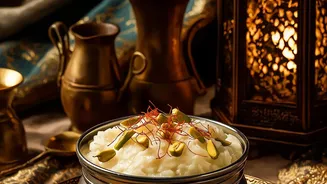
the seasonal twist, it's important to appreciate the original. Phirni is a beloved North Indian dessert with roots stretching back to Mughal kitchens. It’s a slow-cooked pudding made from just a few simple, wholesome ingredients: milk, sugar, and coarsely ground rice. Unlike kheer, which uses whole grains of rice, phirni is defined by its distinctively smooth yet slightly grainy texture, achieved by grinding soaked rice into a paste before cooking. Flavoured with aromatics like cardamom, saffron, or rose water, it is traditionally poured into small earthen bowls called 'shikoras'. These porous bowls absorb excess moisture, helping the phirni set to a thick, scoopable consistency. It is almost always served chilled, making it a refreshing end to a meal.
A Seasonal Star: The Custard Apple
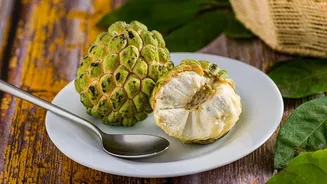
Sitaphal, or custard apple, is the hero ingredient that elevates a classic phirni into a seasonal delicacy. This unique fruit, with its bumpy green skin and creamy white flesh, makes its appearance in Indian markets between the monsoon and early winter months, typically from August to November. Known for its intensely sweet flavour with hints of banana and pineapple, the fruit’s pulp is soft, luscious, and dotted with large black seeds. The process of de-seeding a sitaphal can be laborious but is a true labour of love, as the resulting pulp is a treasure. Its arrival is eagerly awaited, and it's used in a variety of desserts, from ice creams and milkshakes to, of course, phirni.
A Match Made in Dessert Heaven
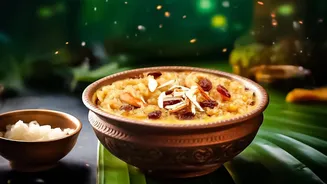
The magic of Sitaphal Phirni lies in how perfectly the two main components complement each other. The traditional phirni provides a creamy, comforting, and subtly sweet canvas. When you fold in the fresh sitaphal pulp, the dessert transforms. The natural, honeyed sweetness and unique grainy texture of the fruit pulp merge with the smooth rice pudding, creating a symphony of textures and flavours in every bite. The fresh, fruity notes of the sitaphal cut through the richness of the milk, making the dessert feel indulgent yet surprisingly light. It’s a fusion where the modern twist doesn't overshadow the traditional base but enhances it.
The Art of Preparation
Making Sitaphal Phirni is a process that requires patience. First, the base phirni is prepared by slowly cooking the ground rice paste in milk until it thickens to a custard-like consistency. Sugar and cardamom are added towards the end. The key is to then let this mixture cool down. Adding the fresh fruit pulp to hot milk would cause it to curdle and ruin the flavour. Once the phirni is at room temperature or slightly cooled, the de-seeded sitaphal pulp is gently mixed in. This ensures the fruit retains its fresh, uncooked flavour. The finished dessert is then chilled for several hours, allowing the flavours to meld and the pudding to set completely before being garnished with slivered pistachios or almonds and served.