





A Welcome Break on Fuel Costs
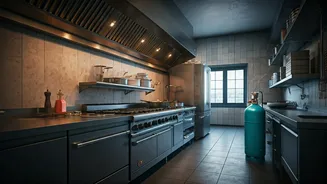
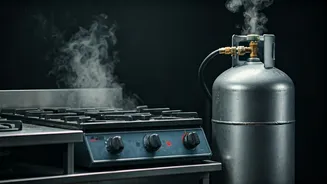
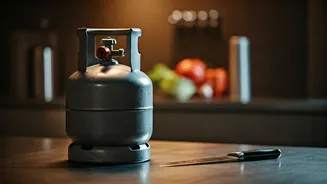
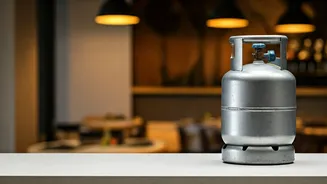
One of the most immediate forms of relief has come from a reduction in the price of commercial LPG cylinders. As of early July 2026, oil-marketing companies implemented a significant price cut of around ₹180 per 19-kg cylinder. For any food business,
from a small neighbourhood cafe to a large-scale cloud kitchen, fuel is a major operational expense, sometimes accounting for up to 15% of all kitchen costs. This reduction provides direct and immediate breathing room, helping to ease the daily financial pressure on these establishments. While restaurant associations have welcomed the move, many note that it is just a small step, especially after a period of sharp price hikes. They are advocating for prices to return to pre-conflict levels to provide more sustainable relief.
The Battle Over Aggregator Commissions
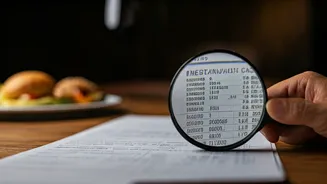
A more complex but equally crucial battle is being fought over the commissions charged by food delivery aggregators like Zomato and Swiggy. For years, the National Restaurant Association of India (NRAI) has highlighted that commission rates, often ranging from 20% to as high as 37% for cloud kitchens, are unviably high. These high fees have been a major pain point, particularly for cloud kitchens that are entirely dependent on these platforms for orders. The constant pressure from industry bodies like the NRAI, which represents over 50,000 restaurants, has led to investigations by the Competition Commission of India (CCI) into alleged unfair practices. While a government-mandated cap hasn't been enacted nationwide, the conversation has shifted.
New Models and Negotiations
In response to the sustained pressure, a shift is underway. The NRAI has recently been piloting a new commission model with aggregators to create a more equitable financial structure. A key aim is to prevent restaurants from bearing the unfair burden of long-distance delivery charges. This is a significant move away from the old, one-sided fee structures. Some platforms have also begun introducing tiered commission models and paid priority listings, moving away from a one-size-fits-all rate. While this adds complexity, it also opens the door for negotiation and smarter strategy. For restaurant owners, this means the era of passively accepting high commissions is ending, replaced by a more dynamic environment where they can potentially find better terms.
The Rise of Direct Ordering
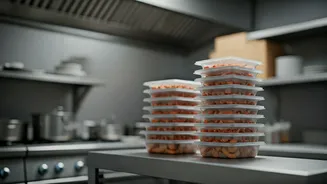
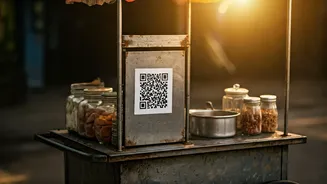
The high commission rates have also accelerated a crucial trend: the move towards direct ordering. Savvy cafes and cloud kitchens are no longer solely reliant on aggregators. They are actively building their own channels using WhatsApp, Instagram, and simple, low-cost websites to take orders. The logic is simple: even offering a customer a 10% discount for ordering directly is more profitable than paying a 25-30% commission to an aggregator. By shifting even 20% of their orders to a direct channel, a kitchen can save tens of thousands of rupees per month. This 'lifeboat' strategy, as some consultants call it, is becoming essential for long-term profitability and reducing dependency on third-party platforms.
What This Means for the Industry
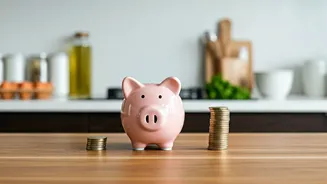
This combination of cost relief measures, while not a silver bullet, provides a much-needed boost to a sector known for its tight margins and high failure rate. The reduction in LPG costs offers immediate cash-flow relief, while the evolving dynamics with food aggregators signal a potential long-term rebalancing of power. It empowers restaurant owners to be more strategic about their online presence, encouraging a hybrid approach that blends the reach of aggregators with the profitability of direct ordering. For entrepreneurs looking to enter the space, this changing landscape may make the business model for cafes and cloud kitchens slightly more sustainable than it was just a few years ago.