



The Allure of a Monsoon-Drenched Coorg
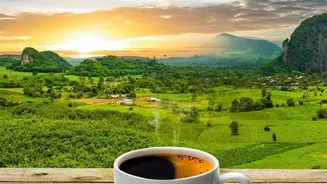
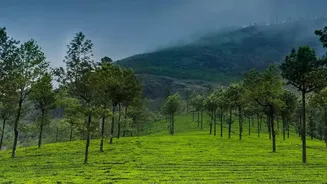
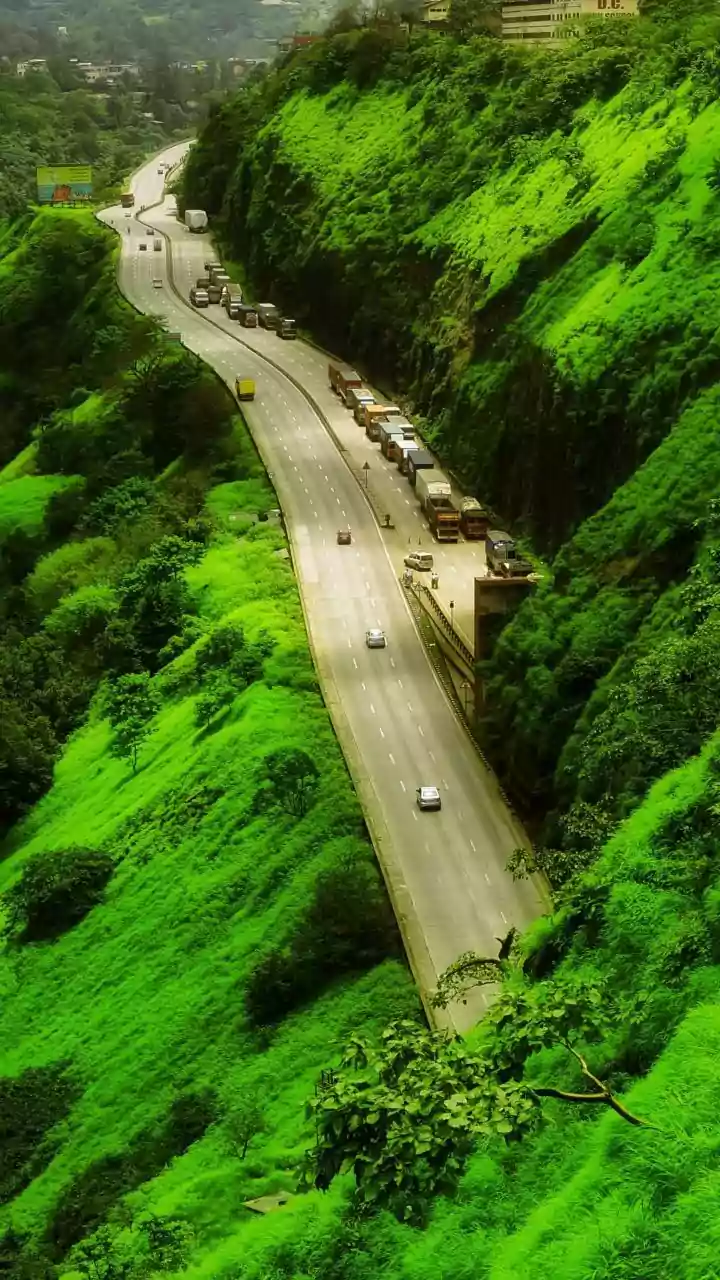
For years, many considered the monsoon an off-season for tourism in Kodagu (Coorg). But that perception is changing. When the rains arrive between June and September, the region transforms into a vibrant green paradise. Hillsides become lush carpets,
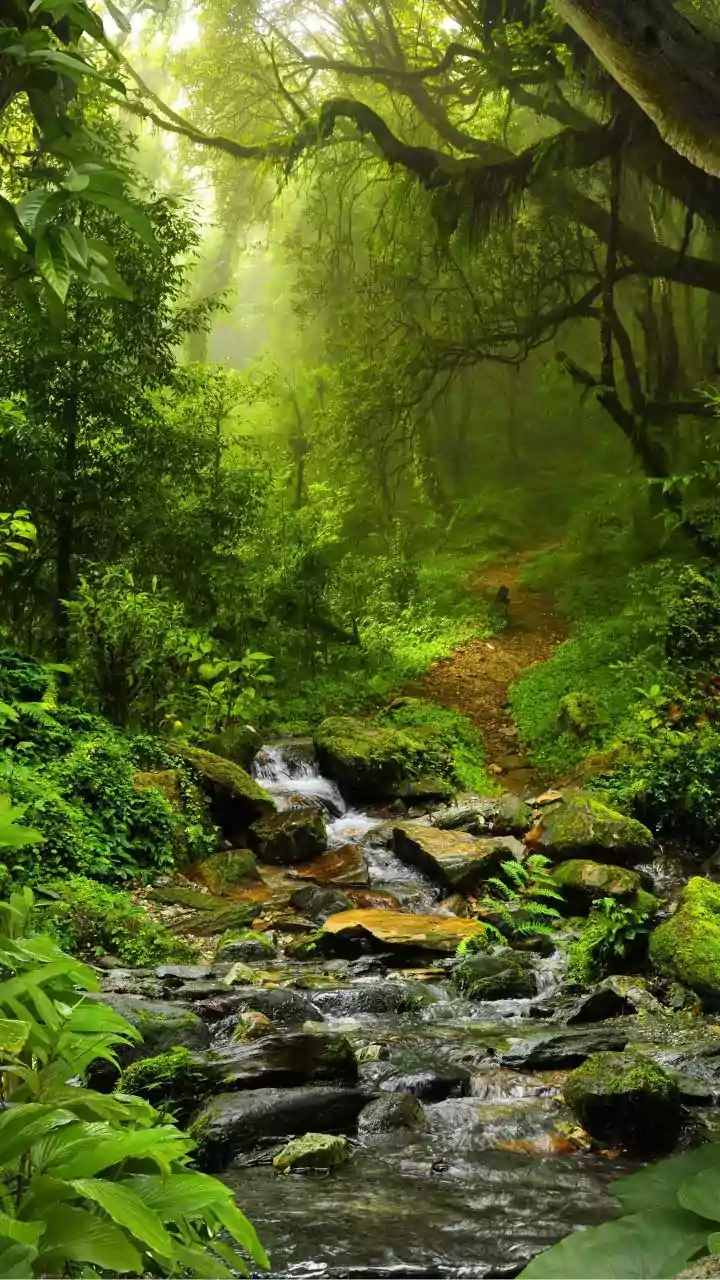
and waterfalls like Abbey and Iruppu, which are gentle streams in drier months, turn into spectacular, roaring cascades. The landscape is draped in a perpetual mist that drifts through valleys and coffee plantations, creating a dramatic and serene atmosphere that many now seek out deliberately. This isn't the Coorg of crowded viewpoints, but a quieter, more intimate version where the main attraction is the weather itself, offering a cool, tranquil escape from city heat.
The Rise of the 'Slow Traveller'
This growing interest in a monsoon-soaked Coorg is deeply connected to the rise of 'slow travel'. This travel philosophy prioritises depth over distance and connection over checklists. Instead of rushing through a dozen sights, slow travellers choose to spend more time in one place, immersing themselves in the local culture, landscape, and rhythm of daily life. Recent trends show a significant shift, especially among younger Indian travellers, away from crowded hotspots and towards authentic, nature-based experiences that offer a break from intense urban burnout. Slow travel is not about doing nothing; it's about experiencing a place more meaningfully, which makes a week-long stay at a single estate a more enriching prospect than a frantic multi-city tour.
More Than a Room: The Homestay Experience
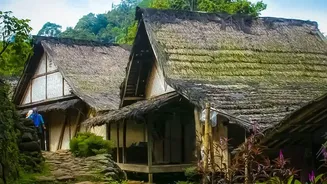
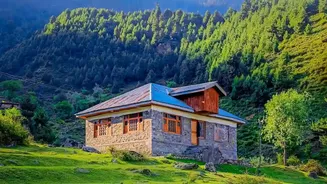
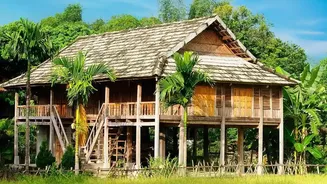
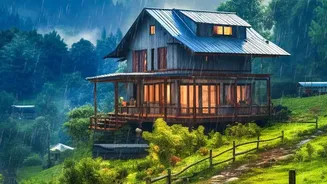
The coffee estate homestay is the heart of Coorg's slow travel appeal. These are not just places to sleep; they are gateways to the region's soul. Choosing a homestay often means staying with a local family amidst a working plantation of coffee and pepper. The experience is immersive: waking up to the smell of fresh coffee, taking long walks through misty plantation trails, and sitting on a veranda listening to the rain drum on the roof. Many hosts offer home-cooked Kodava cuisine and share stories about their heritage, providing a genuine connection that a conventional hotel cannot. This focus on authentic, personal hospitality makes homestays the perfect base for travellers looking to unwind and truly connect with their surroundings.
Why This Trend is Accelerating
The preference for quiet, restorative getaways has solidified in recent years. After a period of travel restrictions, many people are reassessing what they want from a holiday. There's a clear trend towards experiences that help people disconnect from digital stress and reconnect with nature. Coorg, which has consistently ranked as one of the most searched travel destinations in India, is perfectly positioned for this shift. The district has seen a steady rise in tourist arrivals, and the development of more eco-friendly and experience-driven accommodations, like plantation stays, caters directly to this new demand for sustainable and responsible tourism. The idea of a 'staycation' where the accommodation is the destination has also gained traction, making a cosy estate stay during the monsoon an ideal retreat.
Planning Your Monsoon Escape
A monsoon trip to Coorg is more about atmosphere than activity. The key is to embrace the weather, not fight it. Packing should include a light rain jacket, quick-drying clothes, and sturdy, covered footwear for walks, as leeches can be common on forest trails. While some trekking paths may be closed for safety, activities like visiting waterfalls (from a safe distance), driving through the misty hills, and taking guided walks through coffee estates are central to the experience. Booking your homestay well in advance is crucial, as the best spots, especially those offering authentic plantation experiences, are in high demand. Ultimately, the best itinerary is a flexible one that leaves plenty of room for spontaneous moments, whether it's reading a book on the porch or simply watching the clouds roll by.