





An Award-Winning Appetite
The prestigious title from Travel + Leisure confirms what many globetrotters are discovering: India offers a travel experience that is as deep and varied as its culture. The recognition highlights everything from wildlife safaris to Himalayan meadows,
but it is the country's food that provides one of the most compelling reasons to visit. For a growing number of travellers, food is no longer just a part of the trip; it is the reason for it. This shift towards 'gastronomy tourism' is reshaping travel itineraries, with modern explorers seeking authentic, immersive experiences that can only be found in the local food culture. This trend moves beyond simply visiting famous restaurants, focusing instead on cooking classes, market tours, and meals that tell the story of a region.
A Continent of Cuisines
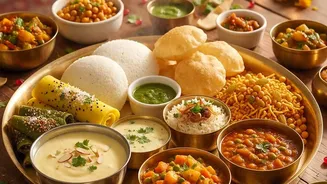
To speak of 'Indian food' is to simplify a culinary map that is as complex and diverse as a continent. Each region’s cuisine is a unique reflection of its climate, history, and geography. In the north, you will find rich, creamy, Mughlai-influenced dishes like Butter Chicken and robust breads like naan, cooked in tandoors. Travel west to Gujarat for predominantly vegetarian 'thalis' that offer a complete platter of sweet, sour, and spicy flavours, or to Goa for its Portuguese-inflected seafood curries. The south offers a lighter, rice-based cuisine, where coconut, tamarind, and fierce spices create iconic dishes like dosa and sambar. Meanwhile, the east, particularly Bengal, is celebrated for its delicate fish preparations and an array of milk-based sweets like Rasgulla. This incredible variety means a culinary journey through India feels like visiting several different countries at once.
Beyond the Restaurant Table
The appeal of India's food scene goes far beyond fine dining. It is a multi-sensory experience that unfolds in bustling street markets, family homes, and rural farms. Today’s travellers are seeking this authenticity. Guided food tours through the chaotic lanes of Old Delhi or Mumbai are now a top attraction, offering a taste of chaat (savoury snacks) and other local specialties. Hotels and homestays are also playing a key role, offering cooking classes where guests can learn the secrets behind regional dishes. This trend extends to 'farm-to-table' experiences, especially in states like Kerala, where tourists can visit spice plantations to see where cardamom and pepper are grown before enjoying a meal prepared with those fresh ingredients. These immersive activities offer a deeper connection to the place and its people, turning a simple meal into a lasting memory.
The New Souvenir: Flavours to Go
The modern traveller's souvenir is increasingly edible. A growing trend dubbed 'grocery tourism' sees visitors exploring local markets and supermarkets to bring a taste of their travels home. Instead of trinkets, they are packing suitcases with regional spices from Kerala, fragrant teas from Darjeeling, or unique ingredients like the fiery chillies of Rajasthan. This desire for 'shelfie souvenirs' reflects a deeper engagement with the destination's culture. It is not just about tasting the food, but about understanding its components and even recreating the experience back home. This trend benefits local economies by supporting farmers, artisans, and small businesses directly. It signifies that the journey doesn’t end when the holiday is over; it continues in the kitchens of those who have been inspired by India’s flavours.