



Why Long Coats Are More Vulnerable
The dense, beautiful fur of breeds like Golden Retrievers, Shih Tzus, and Lhasa Apsos is a double-edged sword post-monsoon. This thick coat traps moisture close to the skin, preventing it from evaporating, especially in humid urban environments with limited
sunlight and ventilation. This constant dampness compromises the skin's natural barrier, creating a warm, moist haven for fungi like yeast (Malassezia) and ringworm to thrive. Areas with poor air circulation, such as between the paw pads, under the belly, in skin folds, and inside floppy ears, are particularly susceptible to these opportunistic infections.
Prevention: Your First Line of Defence
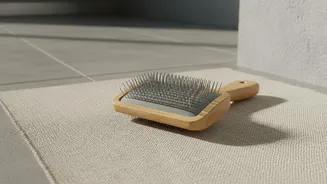
Proactive care is the most effective strategy. The key is to relentlessly manage moisture. After every walk, no matter how short, thoroughly towel-dry your dog. Pay special attention to the paws, underarms, and groin area where water collects. For long-haired breeds, using a pet-safe blow dryer on a low-heat, low-speed setting is crucial to ensure the undercoat is completely dry. Regular daily brushing is non-negotiable; it helps detangle wet fur, remove debris, and improve air circulation to the skin. Consider a shorter 'monsoon trim' for your dog, which can make drying and cleaning significantly easier. Finally, ensure their bedding is washed and dried regularly to prevent it from becoming a source of fungi.
Spotting the Early Warning Signs
Catching a fungal infection early can prevent significant discomfort and a lengthy treatment process. Be vigilant and watch for changes in your dog's behaviour and skin. Common symptoms include excessive scratching, biting, or licking of a specific area. You might notice red, inflamed, or greasy patches of skin. Other tell-tale signs are circular patches of hair loss (a classic sign of ringworm), scaly or crusty skin, and a persistent musty or cheesy odour. If your dog is constantly shaking its head or scratching its ears, a yeast infection could be the culprit.
What to Do When You Suspect an Infection
While home care is vital for prevention, self-diagnosing and treating an infection can be risky. If you notice any of the signs mentioned above, the first step should always be to consult your veterinarian. A vet can perform tests, such as skin scrapings, to accurately identify whether the issue is fungal, bacterial, or parasitic, as they can often look similar. Based on the diagnosis, treatment will be specific and targeted. This is crucial because what works for a yeast infection might not work for ringworm, which is also contagious to humans.
Veterinary Treatments and Supportive Home Care
A veterinarian will typically prescribe a course of action based on the infection's severity. This may include topical treatments like medicated shampoos containing ingredients like miconazole or chlorhexidine, antifungal creams, or sprays. For more widespread or stubborn infections, oral antifungal medications may be necessary. It is essential to complete the full course of treatment, even if symptoms appear to improve, to prevent recurrence. At home, you can support their recovery by continuing your diligent drying and grooming routine. Some vets may suggest supportive home remedies like diluted apple cider vinegar paw soaks, but only after a proper diagnosis and on non-broken skin. Never apply unverified remedies without professional guidance.