

The Glow of Sustainability
Before you begin, it is worth celebrating why you have chosen this path. Creating your own lighting from repurposed materials is not just a budget-friendly way to personalise your space. It is a powerful act of sustainability. By upcycling items that
might otherwise end up in a landfill, you reduce waste and lower your carbon footprint. Every handmade lamp tells a story of resourcefulness and conscious living. This approach allows you to step away from mass-produced items and infuse your home with objects that have a personal narrative and a unique character that no store can replicate.
Glass Bottles: From Trash to Treasure
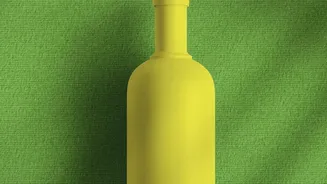
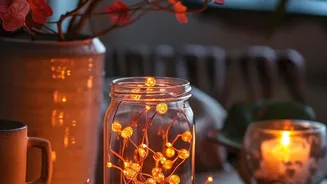
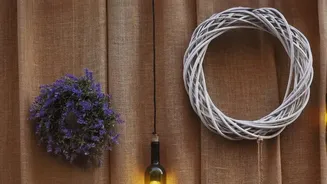
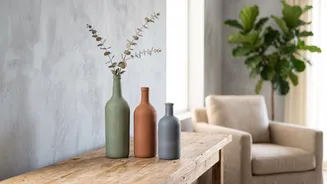
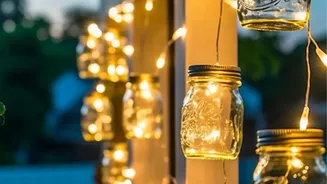
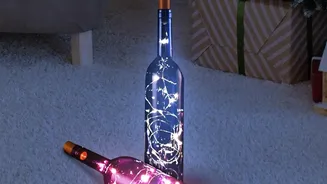
An empty glass bottle, with its sturdy form and smooth curves, is a perfect candidate for a lamp base. Wine bottles, shapely spirit bottles, or even vintage milk jugs can be transformed into stunning table lamps or pendant lights. The first step is to clean the bottle thoroughly, removing any labels by soaking it in warm, soapy water. For a truly personalised touch, you can decorate the bottle before wiring it. Techniques like painting, decoupage with dried flowers, or even filling it with decorative items like pebbles or shells can add another layer of style. The simplest lighting method involves filling a clean bottle with battery-powered fairy lights for a soft, ambient glow.
Your First Bottle Lamp: A Safe Start
Creating a functional table lamp is easier than it sounds, but safety is paramount. The safest and most recommended method for beginners is to use a pre-packaged bottle lamp kit, which can be found online or at hardware stores. These kits come with all the necessary components: a socket, cord, and plug, eliminating any complex wiring. The main task is to create an exit for the cord. This requires carefully drilling a hole near the base of the bottle. You will need a specialised diamond-coated drill bit designed for glass. It is crucial to keep the drilling area wet with water to prevent the glass from overheating and cracking. Once the hole is drilled and smoothed, you can thread the cord from the kit through it and up to the neck, then follow the kit's instructions to assemble the socket.
Fabric Scraps: Weaving Colour and Light
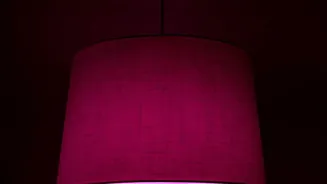
Those leftover fabric pieces from old clothes, curtains, or other sewing projects are bursting with potential. They can be used to create unique, textured lampshades that diffuse light beautifully. The easiest method is to give an old, tired lampshade a makeover. Simply cut your fabric into strips and wrap them around the existing frame, securing the ends with hot glue. You can create a uniform look with one fabric or a vibrant, patchwork effect by mixing different patterns and colours. For a no-sew option, you can use a technique similar to decoupage, applying fabric pieces to a plain shade with fabric glue.
Creating a Fabric Shade from Scratch
If you do not have an old shade to upcycle, you can create one using a bare wire lampshade frame. One popular and simple technique involves cutting your fabric scraps into long, thin strips, about two inches wide. You then simply tie these strips onto the top and bottom rings of the frame, letting the ends hang. As you continue adding strips, the layers build up to create a full, shabby-chic look. Once the frame is covered to your liking, you can trim the ends to be uniform or leave them varied for a more rustic style. This method requires no sewing and is a wonderfully tactile way to play with colour and texture.