


The Danger of 'Sour' Soil
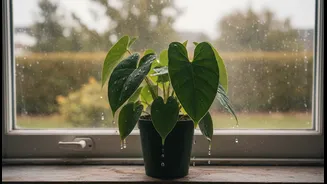
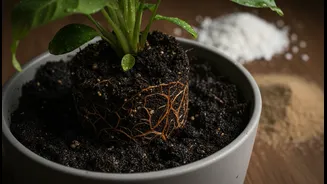
When you water a potted plant, the soil becomes saturated. Ideally, the excess drains away quickly. However, in dense, compacted soil, water lingers for too long. This extended “water retention window” creates an environment with no oxygen. Without air,
plant roots can't breathe. This oxygen-deprived, waterlogged condition is what gardeners refer to as 'souring'. Harmful anaerobic bacteria thrive, leading to a foul smell, and more importantly, root rot. Once root rot sets in, it’s often a silent killer, causing leaves to droop and yellow, mimicking the signs of thirst and tricking you into watering even more.
Meet Perlite: Your Soil's Best Friend
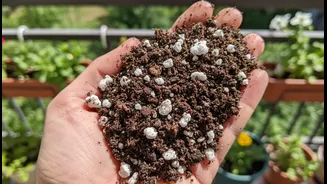
If you’ve ever looked closely at a bag of potting mix, you’ve seen them: small, white, lightweight balls that look like tiny pieces of styrofoam. This is perlite. It’s not a fertilizer or a chemical, but a natural mineral. Perlite is a type of volcanic glass that, when heated to extreme temperatures, 'pops' like popcorn into a sterile, pH-neutral, and incredibly porous material. Its main job in the gardening world is to improve soil structure by adding permanent air pockets.
How Perlite Halts the Souring Process
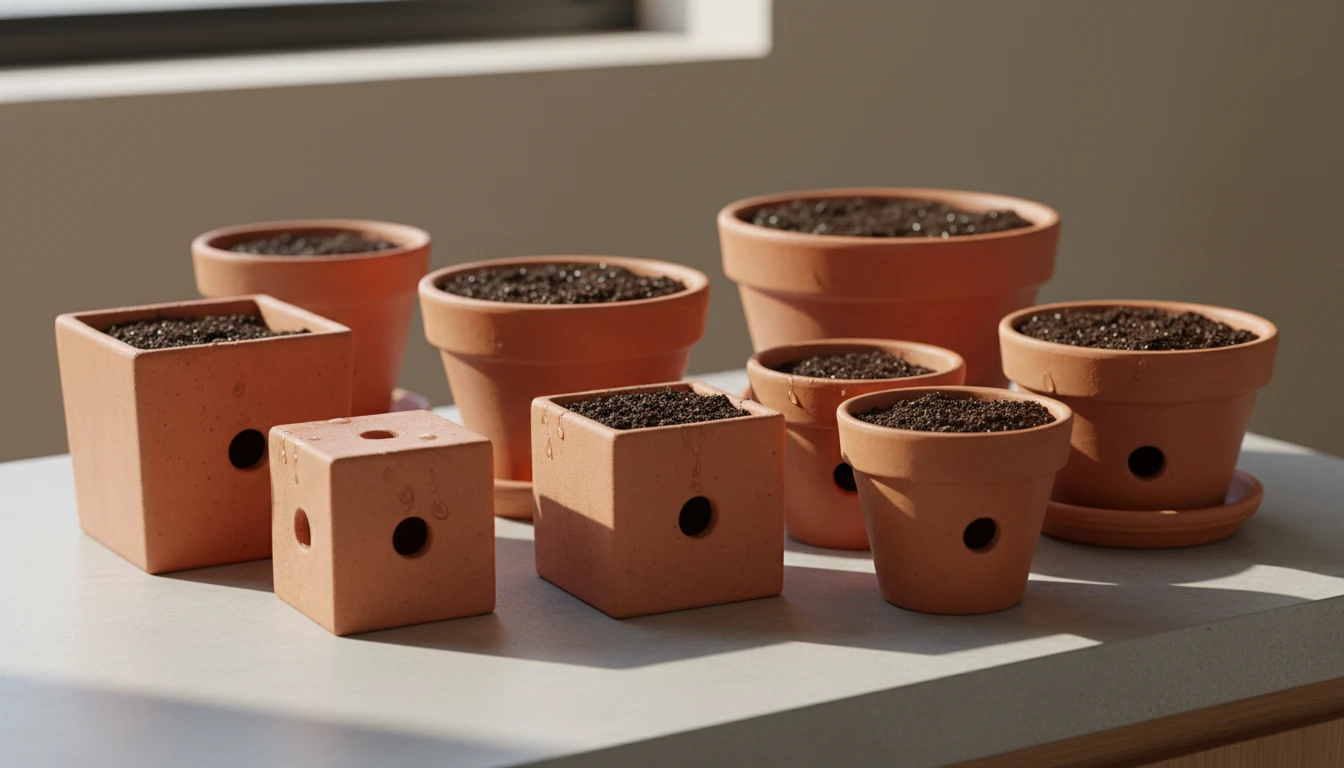
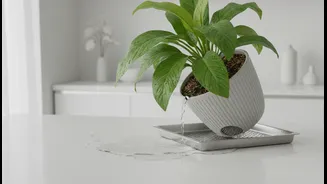
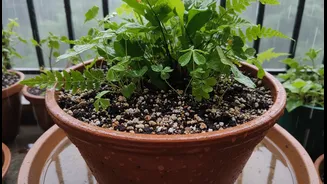
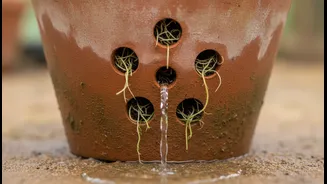
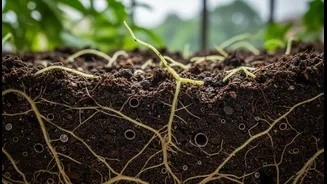
Incorporating perlite into your potting mix directly combats the conditions that cause soil to sour. Its rigid, porous structure prevents the soil from compacting over time. These particles create a network of tiny channels and air pockets throughout the soil. When you water, excess moisture flows freely through these channels and out the drainage hole, dramatically shortening the time your plant’s roots sit in soggy soil. Simultaneously, these air pockets ensure that roots have a constant supply of oxygen, which is crucial for their health and ability to absorb nutrients. Better aeration and faster drainage mean no opportunity for anaerobic bacteria to take hold and no more dangerous root rot.
Getting the Mix Right for Your Plants
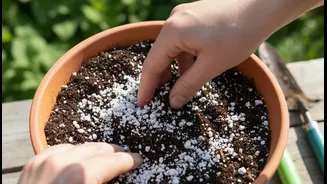
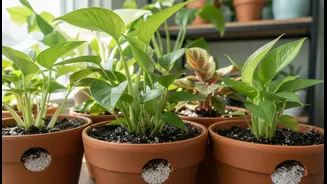
Using perlite is simple, but the amount you need depends on your plant. For most common indoor houseplants, a good starting point is to create a mix that is about 20-30% perlite by volume. For plants that are highly susceptible to root rot, like succulents and cacti, you can increase the ratio to 40-50% to ensure very sharp drainage. For plants that prefer to stay more consistently moist, you might use a little less, around 10-20%. Before mixing, it's a good idea to moisten the perlite slightly to keep the fine dust from becoming airborne. Then, simply combine it thoroughly with your potting soil before planting.
The Added Benefits of Lighter Soil
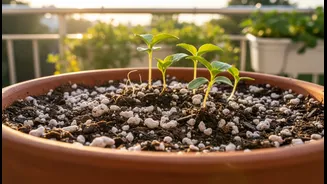
Besides preventing soil souring, perlite offers other advantages. Its lightweight nature makes large pots easier to move. It’s sterile, which means it won't introduce diseases or pests into your potting mix. This is especially beneficial when starting seeds, as it helps prevent 'damping off', a common fungal disease that kills young seedlings. Because it doesn't decompose, it provides a stable, long-lasting structure to your soil, unlike organic materials that break down and cause the soil level in your pots to sink over time.