






What is Low-Impact Cardio?
Low-impact cardio refers to any form of aerobic exercise that raises your heart rate while minimizing stress on your joints. Unlike high-impact activities such as running or jumping where both feet may leave the ground simultaneously, low-impact workouts
ensure at least one foot remains on the ground, or the body is supported in a way that reduces jarring forces. Think of the fluid motions of swimming, the smooth glide of an elliptical machine, or a brisk walk. It’s a common misconception that 'low-impact' means 'low-intensity' or 'easy'. You can still achieve a very high-intensity workout that challenges your cardiovascular system without the pounding associated with high-impact movements.
The Joint-Saving Safety Advantage
One of the most significant benefits of low-impact exercise is its kindness to your body. High-impact activities can exert force equivalent to roughly 2.5 times your body weight on your joints with every landing. Over time, this can lead to joint pain, inflammation, and a higher risk of injury, particularly in the knees, hips, and ankles. Low-impact cardio drastically reduces this mechanical stress, making it an excellent choice for people of all fitness levels, including beginners, older adults, and those with pre-existing joint issues like arthritis. By reducing the risk of pain and injury, you eliminate one of the most common reasons people fall off the exercise wagon.
The Key to Unlocking Consistency
The most effective workout plan is the one you can stick with. Low-impact routines are inherently more sustainable because they require less recovery time and are less likely to lead to overuse injuries that force you to take unplanned breaks. This fosters consistency, which is the true driver of results. Furthermore, moderate and sustainable exercise has been shown to be a powerful tool against burnout. It helps lower stress hormones like cortisol while releasing endorphins, the body's natural mood elevators. When a workout leaves you feeling refreshed rather than battered, you are psychologically more likely to return to it day after day.
Popular Low-Impact Options to Try
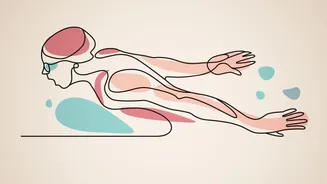
The beauty of low-impact cardio lies in its variety. There is an option to suit nearly every preference and fitness level. Some of the most popular and effective choices include: Walking: Simple, accessible, and highly effective. A brisk walk is enough to elevate your heart rate and deliver significant cardiovascular benefits. Cycling: Whether on a stationary bike or outdoors, cycling is a fantastic way to build leg strength and endurance with minimal strain on your knees and hips. Swimming: Often called the perfect exercise, swimming offers a full-body workout where the water supports your weight, making it exceptionally gentle on joints. Elliptical Trainer: These machines mimic the motion of running but without the impact, providing a great cardiovascular workout that engages both the upper and lower body.* Rowing: A powerful full-body workout that builds strength and cardiovascular fitness simultaneously.
How to Integrate Low-Impact Cardio
Incorporating low-impact cardio into your life doesn't require a major overhaul. You can start by replacing one or two of your high-impact sessions with a low-impact alternative to give your joints a break. Or, you can build a routine entirely around these gentler activities. Many people find success by cross-training, or mixing different types of low-impact activities to prevent boredom and work different muscle groups. For example, you might cycle on Mondays and Wednesdays, swim on Fridays, and enjoy long walks on the weekend. The key is to choose activities you genuinely enjoy, as this dramatically increases your chances of forming a lasting habit.