
The 50-Million-Kilometre Pantry Problem
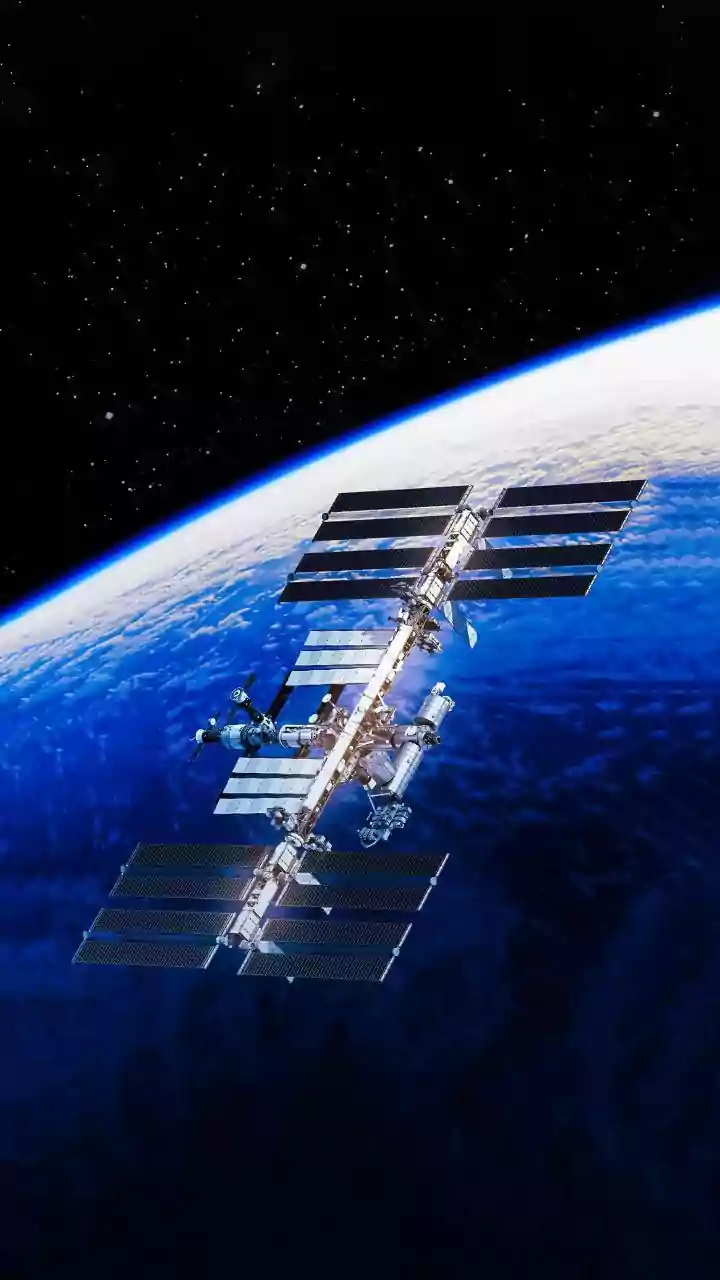
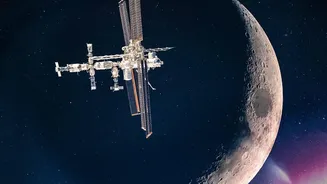
For missions to the International Space Station (ISS), resupply is a regular occurrence, bringing fresh supplies and a variety of pre-packaged meals. But a round trip to Mars could take nearly three years, making resupply impossible. This creates a monumental
challenge. The current system of packaged foods, while advanced, isn't designed for such long durations. Over several years, vital nutrients like vitamins C, K, and B1 degrade, putting astronauts at risk of deficiencies. Furthermore, the sheer mass and volume of packing enough food for a crew for three to five years is a logistical nightmare. Traditional packaged foods simply won't have the shelf life or nutritional stability to keep a Mars-bound crew healthy and effective.
From Packets to Plants: The Rise of Space Farming
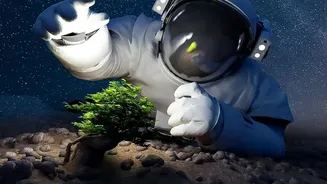
The most promising solution is to create self-sufficient, or bioregenerative, life support systems. In simple terms: astronauts will need to become farmers. NASA and other space agencies are heavily investing in technologies to grow fresh food in space. Experiments on the ISS, such as the Veggie and Plant Habitat systems, have already successfully grown crops like lettuce, radishes, and even chili peppers. The goal is to develop closed-loop systems where waste products, including air and water from the crew, are recycled to help grow plants. This not only provides fresh, nutrient-rich food but also generates oxygen and purifies water, dramatically reducing the supplies that need to be launched from Earth.
More Than Just Calories
Food in deep space is about more than just nutrition; it's a critical component of psychological health. Astronauts on long missions often experience 'menu fatigue' from eating the same monotonous packaged meals. The sensory experience of fresh food—the crunch of a lettuce leaf, the smell of a fresh herb—can provide significant comfort and a link back to Earth. Studies have shown that the act of gardening itself can reduce stress and improve mood, providing a therapeutic activity in an isolated, extreme environment. The simple joy of a 'Taco Tuesday' using freshly grown chili peppers on the ISS highlighted the immense morale boost that fresh food provides. This psychological support is considered essential for maintaining crew cohesion and performance on a multi-year journey.
The Next Generation of Space Cuisine
Beyond growing greens, scientists are exploring a range of futuristic food technologies. One area of focus is on producing protein. Since animal agriculture is not viable in space, researchers are looking at cellular agriculture and precision fermentation, using microbes to create protein powders from waste materials and atmospheric gases. Another innovation is the 3D printing of food. This could allow astronauts to create customized meals with specific textures, flavours, and nutritional profiles, adding variety and personalization to their diet. NASA's Deep Space Food Challenge is actively encouraging innovators to develop novel food production systems that are minimal in mass and waste but maximal in nutrition and appeal. These hybrid systems, combining a base of stable packaged goods with freshly grown and even 3D-printed elements, represent the future of dining beyond Earth.