




Master Cross-Ventilation
The simplest way to combat stuffiness is by creating a pathway for air to flow through your home. This technique, known as cross-ventilation, involves opening windows or doors on opposite sides of a room. Doing so flushes out the warm, humid indoor air and
replaces it with fresher, drier air from outside. The key is timing. Avoid opening windows during heavy downpours. Instead, take advantage of drier periods, often in the morning or when the rain subsides, to air out your home for at least 15-20 minutes. This simple habit prevents moisture from settling on surfaces and reduces the sticky, damp feeling that is common during the monsoon.
Use Natural Dehumidifiers
You do not need expensive gadgets to control humidity. Several common household items work as excellent natural dehumidifiers. Placing a bowl of rock salt or uncooked rice in damp corners, cupboards, or rooms can help absorb excess moisture from the air. Charcoal briquettes, the kind used for barbecues (without the lighter fluid), are also highly effective at drawing in moisture. Simply place them in a breathable container. These DIY solutions are low-cost and work silently in the background to keep enclosed spaces from feeling damp and musty.
Protect Your Wardrobe and Furniture
Clothes and wooden furniture are particularly vulnerable to moisture and mould during the rainy season. To protect them, ensure there is adequate airflow in and around your storage spaces. Avoid overcrowding your wardrobe, as tightly packed clothes trap moisture and develop a musty odour. It is also wise to leave a small gap between large furniture and external walls to prevent dampness from getting trapped. Before storing clothes, make sure they are completely dry. If you find mould on fabrics or surfaces, a simple cleaning solution can often help, but prevention through airflow is always the best strategy.
Leverage Exhaust Fans and Vents
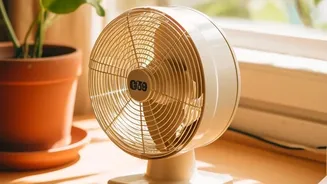
Your kitchen and bathroom are major sources of indoor humidity. Make it a rule to run the exhaust fan every time you cook or shower. These fans are designed to pull moist air out of the room and vent it outside, which is crucial for preventing mould growth. If your home has traditional high-level ventilators or 'roshandaans', keep them open. Since warm, moist air naturally rises, these upper openings provide an excellent escape route, helping to keep the overall humidity level down and making rooms feel less stuffy.
Inspect for Leaks and Seepage
Persistent dampness is often a sign of a bigger problem, like a hidden leak. Before the monsoon fully sets in, take the time to inspect your home for any cracks in the walls, window seals, or potential roof leaks. Pay close attention to water stains on ceilings or walls, as these are clear indicators of water ingress. Sealing these cracks and repairing any damage promptly is one of the most effective long-term solutions for keeping your home dry. Ensuring that the ground around your house slopes away from the foundation can also prevent water from seeping into the basement or ground floor.
Choose Indoor Plants Wisely
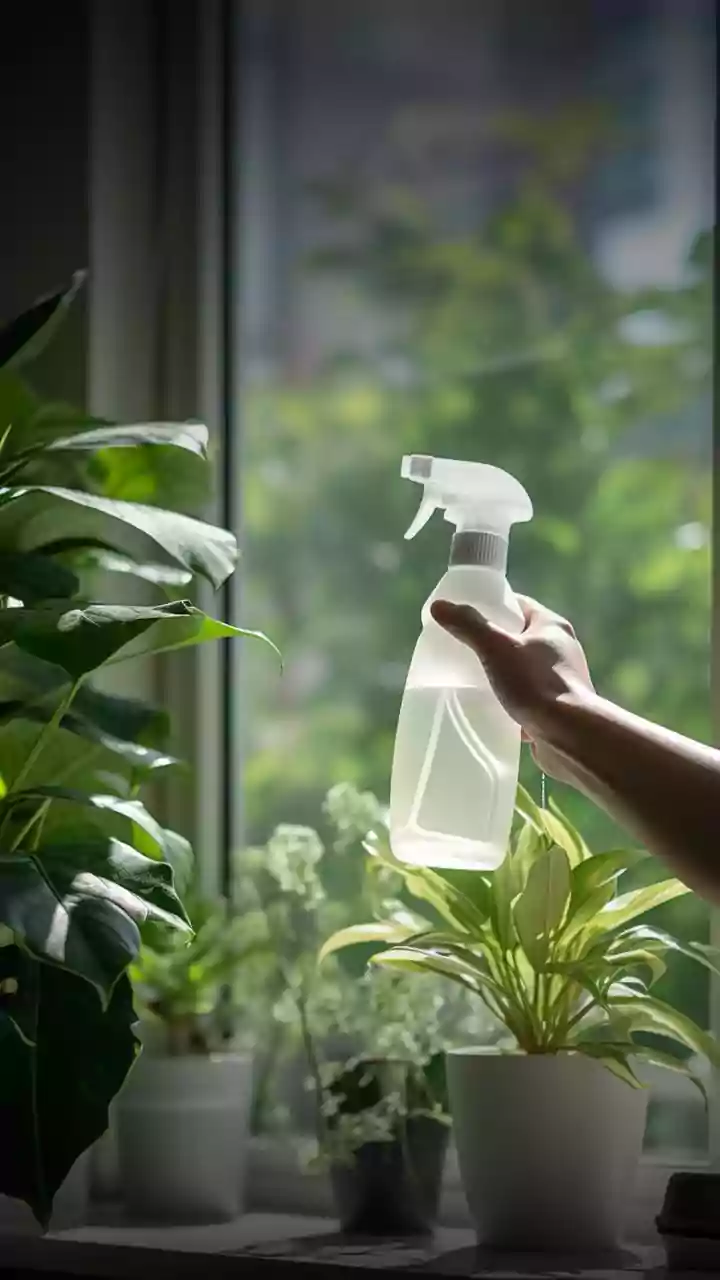
While some believe all indoor plants add to humidity, certain types can actually help improve indoor air quality. Plants like snake plants, peace lilies, and areca palms are known for their air-purifying properties. They can help absorb pollutants and balance the air, which is especially useful when you cannot keep windows open for long periods. However, be mindful not to overwater them, as excess water in the soil can contribute to the overall dampness in a room. Placed strategically, these green companions can make your home feel fresher.