



The Grand Rajasthani Thali
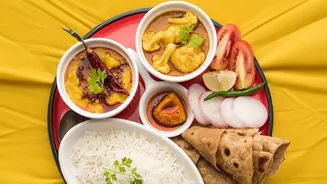
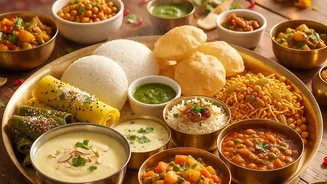
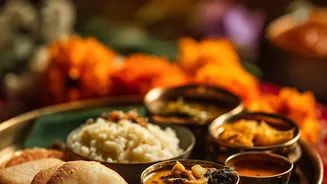
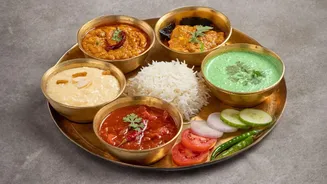
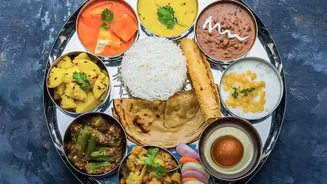
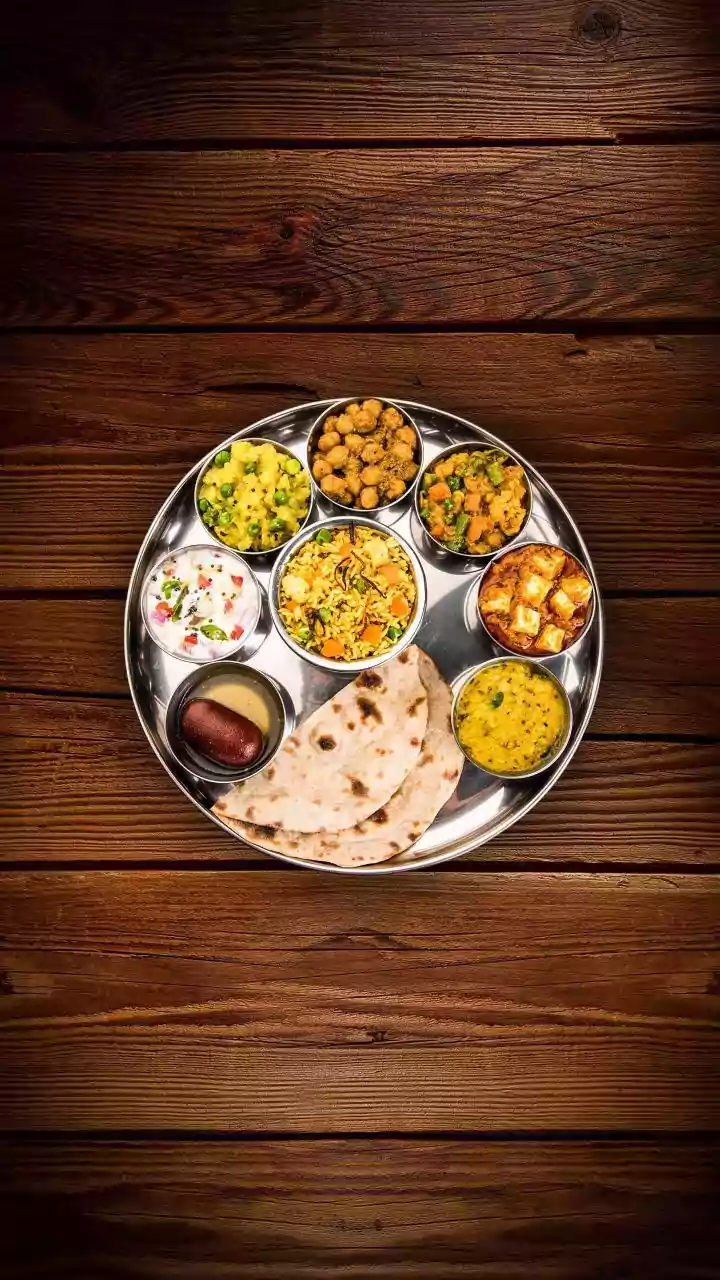
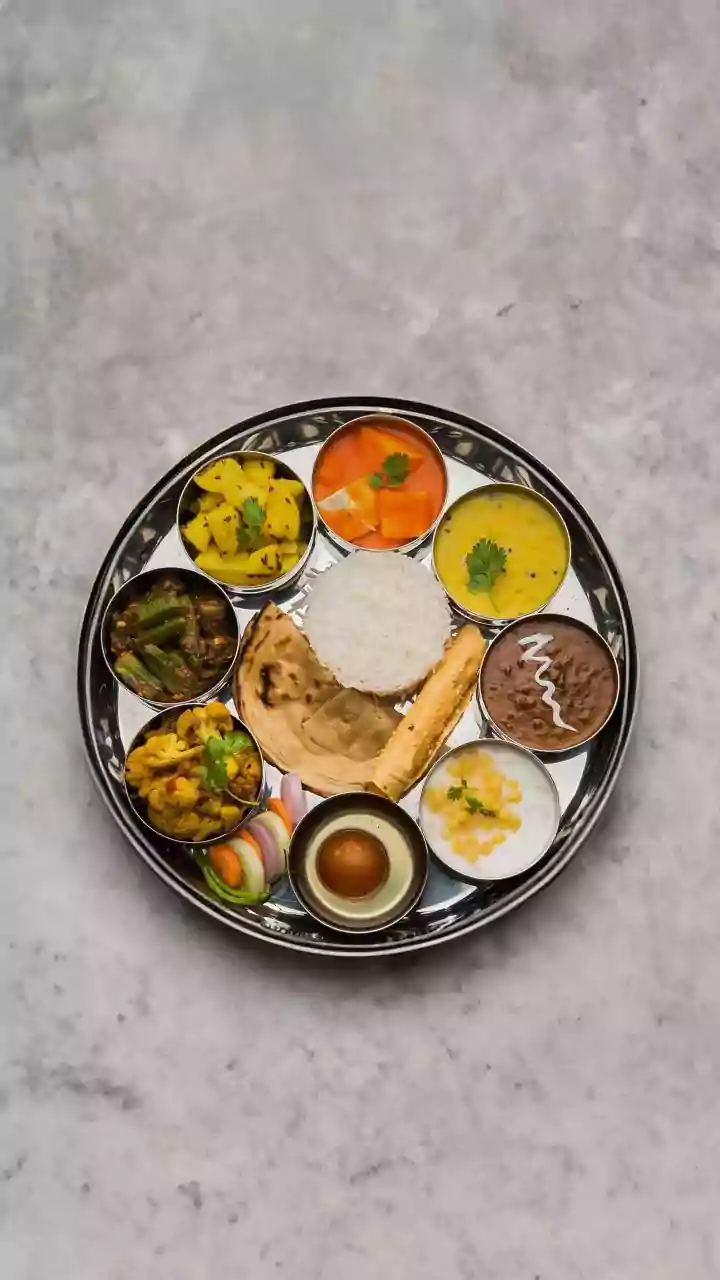
The quintessential Rajasthani dining experience is the thali, a magnificent platter showcasing a complete meal. It is a feast for the senses, featuring an array of small bowls filled with diverse preparations. The undisputed star is Dal Baati Churma.
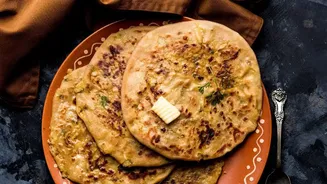
Baati are hard, unleavened wheat rolls traditionally baked over coals, which are then broken and soaked in ghee. They are served alongside a flavourful dal, often 'panchmel dal' made from a mix of five different lentils. The meal is completed with churma, a sweet dish made by crumbling the baked baati and mixing it with ghee and sugar. Accompanying these are other staples like Gatte ki Sabzi, where steamed gram flour dumplings are simmered in a tangy yogurt-based curry, and various seasonal vegetable preparations and breads like bajra roti (pearl millet flatbread).
Ker Sangri: A Resilient Delicacy
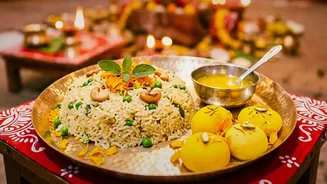
Perhaps no dish tells the story of Rajasthan better than Ker Sangri. Born from necessity during times of famine when fresh vegetables were scarce, this dish has transformed from survival food into a royal delicacy. It features two key indigenous ingredients: ker, a tangy, caper-like desert berry, and sangri, a long bean from the native Khejri tree. Both are dried and stored for use throughout the year. The preparation involves rehydrating the ker and sangri and then cooking them with a symphony of local spices, creating a unique dish that is tangy, spicy, and deeply flavourful. Its ability to be preserved for days made it a staple for long journeys, and today it is a proud feature on menus at Marwari weddings and festive occasions.
The Irresistible Call of Street Food
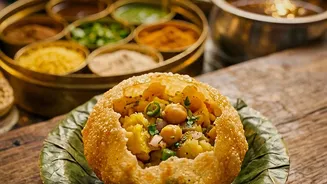
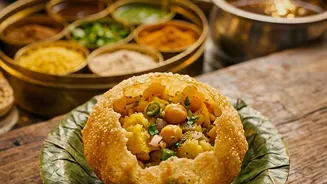
Rajasthan's streets offer a vibrant and delicious world of their own. A trip to Jodhpur, for instance, is incomplete without trying Pyaaz Kachori. Originating in the city, this deep-fried pastry has a flaky crust that gives way to a spicy and slightly sweet onion filling. It's a beloved breakfast item for many locals, often enjoyed with tamarind chutney. Another Jodhpuri classic is the Mirchi Vada, a large green chili stuffed with a spiced potato mixture, coated in gram flour batter, and fried to golden perfection. Despite its name, the chili used is typically mild, making the snack more flavourful than fiery. For those with a sweet tooth, cities like Jaipur offer treats like Mawa Kachori or refreshing drinks like a thick, creamy lassi to cool down.
The Essence of Rajasthani Cooking
The common thread running through Rajasthan's vegetarian food is its ingenious adaptation to the desert climate. Historically, the scarcity of fresh vegetables led to a reliance on lentils, beans, gram flour, and dried produce. Dairy products like ghee, buttermilk, and yogurt are used extensively, not just for flavour and richness but also to balance the spice and heat of the dishes. The cuisine is known for being hearty and robust, designed to provide sustained energy. Many dishes are prepared in a way that allows them to last for several days without refrigeration, a testament to the resourcefulness of the region's culinary heritage. This focus on preservation and flavour is why Rajasthan is considered one of the most vegetarian-friendly states in India.