



What Is a Planetary Array?
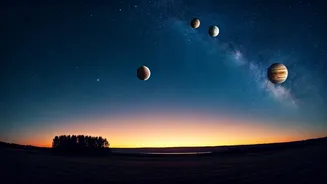
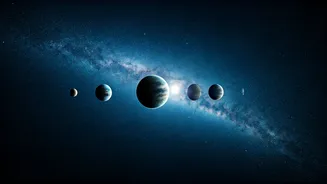
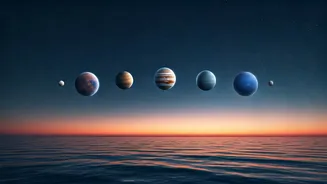
Don't worry, the planets aren't actually about to collide. A planetary 'array' or 'conjunction' is an optical illusion from our vantage point here on Earth. As the planets travel in their vast orbits around the Sun, their paths sometimes appear to cross
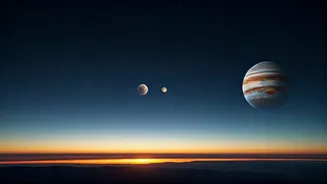
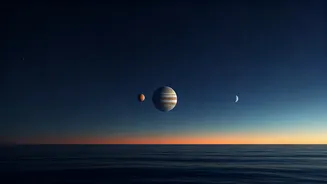
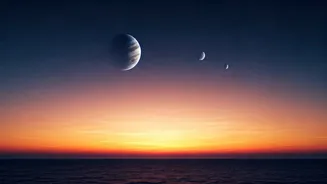
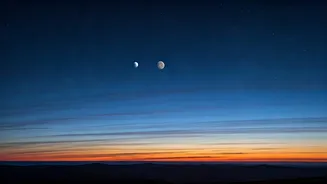
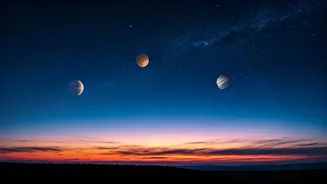
in our night sky. When three or more planets seem to huddle close together in a small patch of the sky, we call it an alignment or an array. It's a beautiful line-of-sight trick. Tonight’s event features the bright planets Venus and Jupiter, joined by the much more elusive Mercury, creating a striking trio against the fading twilight.
When and Where to Look
Timing and direction are everything for this event. The best viewing window is extremely specific: it starts about 30 to 45 minutes after sunset and lasts for roughly an hour. This is the 'blue hour' when the sky is dark enough to see the planets, but before they sink below the horizon. You need to be looking towards the west—the same direction where the sun just set. Find a location with an unobstructed view of the western horizon. This means avoiding tall buildings, trees, or hills that might block your line of sight. A rooftop, a balcony facing west, or an open field would be ideal.
How to Identify the Planets
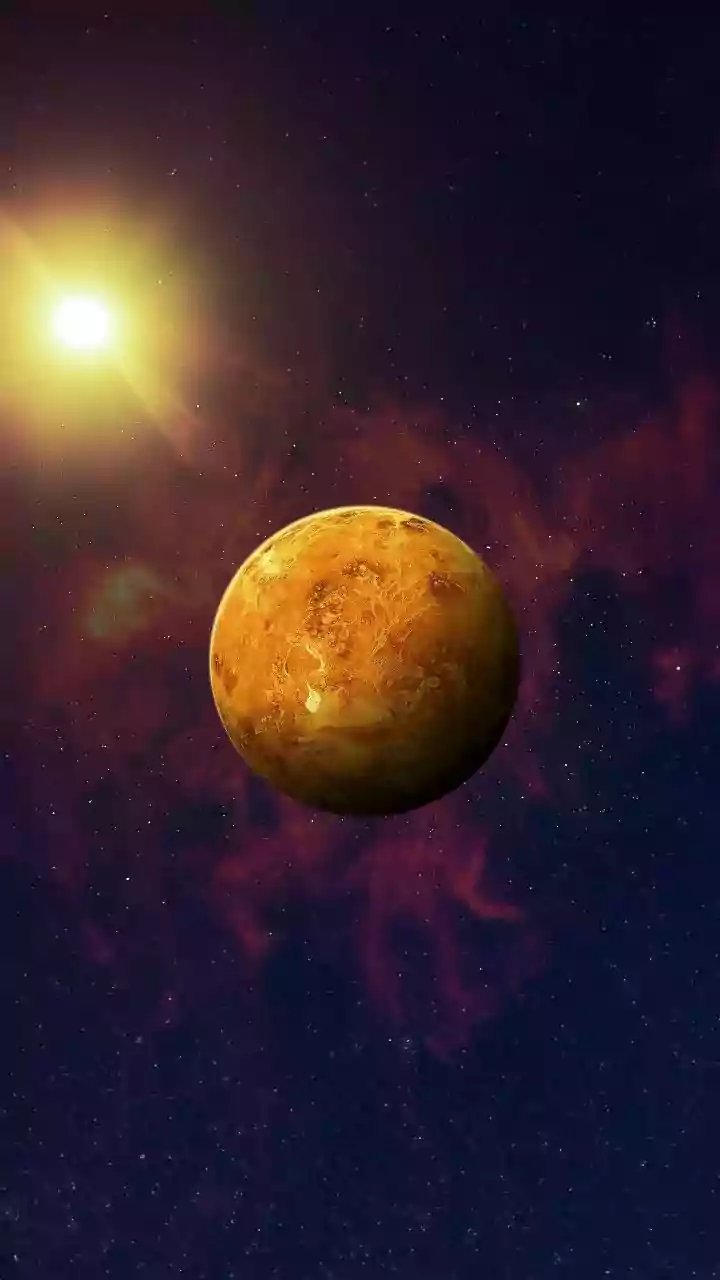
You won't need a star chart to find this trio, as their brightness will give them away. The brightest point of light you'll see will be Venus. It will appear as a brilliant, steady 'evening star'. Just above or below it, you'll spot Jupiter, which will be the second-brightest object. It will still be impressively bright, just not as dazzling as Venus. The real prize is spotting Mercury. Because it’s the closest planet to the Sun, it’s often lost in the solar glare. Tonight, it will appear as a fainter point of light very close to the horizon, likely just below Jupiter. Look for it first, as it will be the first of the three to disappear as the sky darkens and it sets.
Do You Need a Telescope?
Absolutely not! This is a wonderful naked-eye event, accessible to everyone without any special equipment. The planets involved are bright enough to be seen easily from most urban and suburban areas, provided the sky is reasonably clear. However, if you have a pair of binoculars, this is a great time to use them. Binoculars will not only make the planets appear brighter and more distinct, but they might also give you a glimpse of Jupiter’s four largest moons—Io, Europa, Ganymede, and Callisto. They will look like tiny pinpricks of light in a straight line on either side of the planet. This adds another layer of wonder to the experience.
What Makes This Alignment 'Rare'?
While alignments of two planets are fairly common, getting three or more in a tight grouping visible to the naked eye is less frequent. The term 'rare' in astronomy doesn't always mean 'once in a lifetime', but it does mean it's not something you can see every month or even every year. The specific combination of planets, their visual proximity in our sky, and their visibility in the evening twilight (rather than the pre-dawn hours) all contribute to making an event like this special. It’s a perfect, fleeting configuration brought about by the silent, clockwork dance of the solar system.